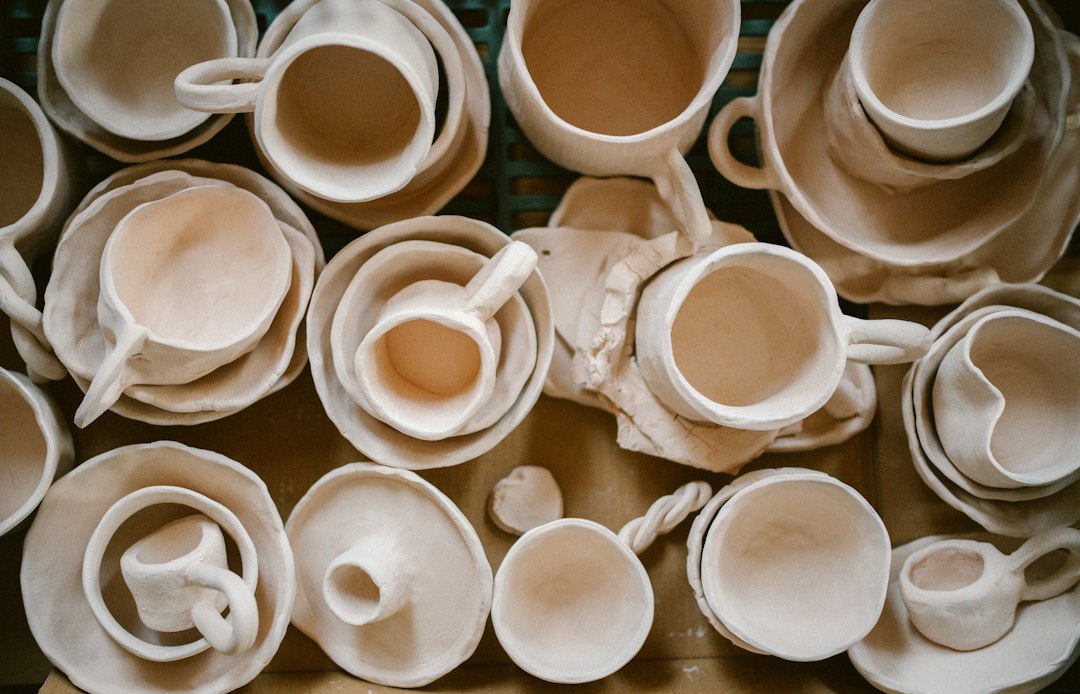
The eternal debate in kitchenware isn’t just about aesthetics; it’s a practical consideration for daily life. For the modern home in 2026, the choice between ceramic and fine bone china tableware hinges on a delicate balance between tactile warmth, resistance to the inevitable chips and cracks of everyday use, and overall value. While fine bone china often whispers of formal elegance, ceramic stands as the sturdy, reliable companion for the culinary adventures of daily living. This in-depth comparison unpacks the core differences, helping you decide which material truly belongs on your table.
Understanding the Materials: Ceramic vs. Fine Bone China
At their core, ceramic and fine bone china are both clay-based ceramics, but their composition, firing processes, and resulting properties diverge significantly, influencing everything from their feel to their fragility.
Ceramic: The Everyday Workhorse
Ceramic tableware encompasses a broad category, most commonly including earthenware, stoneware, and porcelain. Earthenware is fired at lower temperatures, resulting in a more porous body that typically requires a fully glazed finish for durability. Stoneware, fired at higher temperatures, is denser, less porous, and generally more durable than earthenware. Porcelain, the densest and most vitrified form of ceramic, is fired at the highest temperatures, making it exceptionally strong and non-porous, often considered a step below fine bone china in some classifications. For everyday use, stoneware and porcelain are the most relevant ceramic types. They are known for their robustness, versatility in design, and relatively accessible price point. Their heft and density contribute to a sense of substantiality on the table, a tactile quality many appreciate.

Fine Bone China: Elegance and Durability Redefined
Fine bone china distinguishes itself through its unique composition: it contains a significant percentage of bone ash (typically 30-50%), along with feldspar and kaolin (clay). This specific mixture, fired at precise temperatures, creates a material that is remarkably thin, lightweight, translucent, and exceptionally strong. The bone ash content is crucial; it not only imparts a characteristic milky-white hue and subtle translucency but also vitrifies the clay body at lower temperatures than porcelain, allowing for thinner walls without compromising strength. This results in tableware that is both delicate in appearance and surprisingly resilient, often surpassing even high-fired porcelain in terms of tensile strength and chip resistance, despite its ethereal look.
Key Comparison: Tactile Warmth and Everyday Use
The experience of using tableware extends beyond mere function; it involves touch, sight, and the overall feel it brings to a meal. Here, ceramic and fine bone china present distinct characteristics.
The Feel: Ceramic’s Natural Warmth vs. Fine Bone China’s Smoothness
Ceramic, particularly stoneware, often possesses a natural, earthy warmth to the touch. Its slightly denser body and often matte or textured glazes can feel substantial and comforting in hand. This tactile sensation can enhance the perception of warmth from food, making meals feel more grounding. Fine bone china, conversely, offers a different kind of tactile pleasure. Its surface is typically ultra-smooth, almost silken, with a refined coolness that speaks to its delicate, vitrified structure. While it doesn’t convey the same inherent “warmth” as ceramic, its smoothness is a hallmark of its quality and elegance, providing a sophisticated feel that enhances the dining experience for those who appreciate refined textures.
Everyday Handling: Which Holds Up Better to Daily Life?
In the context of daily life—breakfast rushes, quick lunches, and family dinners—durability is paramount. Ceramic, especially stoneware and porcelain, generally performs very well. Its thicker walls and inherent density mean it can withstand the bumps and clatter of regular use better than more fragile materials. While not indestructible, a good quality ceramic piece is unlikely to chip or break from minor impacts during washing or setting the table. Fine bone china, despite its strength, is thinner and inherently more delicate. While its tensile strength is high, its thinness makes it more susceptible to chipping on the rim or handle if dropped or knocked hard against a hard surface. Therefore, for households prioritizing absolute ruggedness for daily, sometimes unceremonious, use, ceramic often has a slight edge in perceived resilience for the average user.

Chip Resistance: A Crucial Factor for Long-Term Value
The longevity of tableware is significantly determined by its resistance to chipping and cracking. This is where the material science of ceramic and fine bone china reveals critical differences.
Ceramic’s Vulnerabilities: Common Chip and Crack Scenarios
Ceramic’s vulnerability to chipping often arises from impacts against hard surfaces like countertops or other dishes, particularly along the edges and rims, which are thinner. Thermal shock—sudden, extreme temperature changes (e.g., placing a hot dish directly into cold water)—can also lead to cracking, especially in lower-fired earthenware. Stoneware and porcelain are more resistant to thermal shock than earthenware, but the risk remains if subjected to rapid temperature fluctuations. Chips on ceramic can be more noticeable due to the opaque nature of the material, sometimes exposing the underlying clay body if the glaze is breached.
Fine Bone China’s Resilience: Why It Often Outlasts Ceramic
The strength of fine bone china is counter-intuitive to its delicate appearance. The inclusion of bone ash creates a stronger, more vitrified, yet less brittle structure than traditional porcelain. This means that when subjected to impact, fine bone china is less likely to shatter outright and, in many cases, exhibits superior chip resistance, particularly at the rim. Studies and practical comparisons often show that fine bone china can withstand more stress before showing signs of damage. Its inherent translucency and the way light passes through it also mean that minor chips or scratches are often less visually apparent than on opaque ceramic.
| Feature | Ceramic (Stoneware/Porcelain) | Fine Bone China |
|---|---|---|
| Material Composition | Clay, feldspar, quartz (varying porosity and firing temps) | Clay, feldspar, quartz, and 30-50% bone ash |
| Density & Weight | Denser, heavier, more substantial feel | Lighter, thinner walls, more delicate feel |
| Translucency | Opaque to slightly translucent (porcelain) | Highly translucent, milky white hue |
| Hardness (Mohs Scale) | ~7-7.5 | ~7-7.5 (similar to porcelain, but structure is more resilient) |
| Chip Resistance (Rim Strength) | Good to Very Good (can be prone to chipping on impact) | Excellent (inherently more resilient to chipping due to bone ash vitrification) |
| Thermal Shock Resistance | Good (porcelain/stoneware); Poor (earthenware) | Very Good (less prone to cracking from sudden temperature changes) |
| Scratch Resistance | Very Good | Very Good |
Real-World Drop Tests: Ceramic vs. Fine Bone China Face-Off
While direct, standardized drop tests are rare and vary widely, anecdotal evidence and controlled demonstrations consistently highlight fine bone china’s surprising resilience. When dropped from moderate heights onto hard surfaces, fine bone china often survives intact or with minimal damage due to its flexible strength, whereas ceramic, especially stoneware, might chip or shatter more readily. However, this doesn’t mean fine bone china is invincible; a direct hit on a delicate edge can still cause breakage. The key difference lies in the *type* of failure: ceramic might show more immediate, visible damage, while fine bone china’s superior tensile strength often allows it to withstand stresses that would break lesser materials, making it a surprisingly durable choice for its delicate appearance.
Aesthetics and Presentation: Elevating Your Dining Experience
Beyond durability, the visual and sensory appeal of tableware plays a significant role in the dining experience.
Ceramic Styles: Versatility for Every Kitchen
Ceramic tableware offers unparalleled versatility in style, color, and finish. From rustic, hand-thrown stoneware with earthy glazes to sleek, minimalist porcelain, there’s a ceramic option to suit virtually any decor. It excels in vibrant colors, bold patterns, and a range of textures, from glossy to matte. This adaptability makes ceramic ideal for creating a personalized aesthetic, whether your kitchen leans towards farmhouse chic, modern industrial, or bohemian eclectic. The substantial feel also lends itself well to casual, everyday settings, making meals feel more grounded and comforting.

Fine Bone China Designs: Timeless Appeal and Delicate Charm
Fine bone china is synonymous with elegance and refinement. Its characteristic translucency, smooth finish, and often delicate forms lend themselves to sophisticated designs. While it can be found in contemporary patterns, it truly shines in classic motifs: subtle floral prints, delicate gold or platinum banding, and simple, clean lines that emphasize its inherent beauty. It’s the material of choice for formal dining, special occasions, and for those who appreciate a touch of understated luxury in their everyday lives. The way light filters through fine bone china adds an ethereal quality to any meal, elevating the presentation and creating a memorable dining ambiance.
Maintenance and Care: Keeping Your Tableware Pristine
The ease of care and maintenance is a practical consideration for any busy household.
Easy Cleaning: Ceramic’s Low-Maintenance Approach
Ceramic tableware is generally very forgiving. Most stoneware and porcelain pieces are dishwasher safe, microwave safe, and resistant to stains and odors due to their low porosity. Even stubborn residues can usually be scrubbed away without damaging the glaze. While some highly decorative ceramic pieces might recommend hand washing to preserve intricate details or metallic accents, the vast majority of everyday ceramic ware is designed for convenience and can withstand regular machine washing cycles. This low-maintenance aspect makes ceramic an exceptionally practical choice for daily use.
Preserving Fine Bone China: Best Practices for Longevity
Fine bone china, while strong, benefits from slightly more careful handling to maintain its pristine condition over the years. While many pieces are technically dishwasher safe (especially those without metallic trims), hand washing is often recommended to protect the delicate glaze and prevent potential chipping from contact with other hard items in the wash. Avoid abrasive cleaners or scouring pads, which can scratch the surface. For pieces with gold or platinum banding, hand washing is essential, as these metallic elements can degrade in harsh dishwasher environments. Storing pieces carefully, perhaps with protective pads between plates, can also minimize the risk of accidental damage.
Cost-Effectiveness: Value Proposition of Ceramic and Fine Bone China
The investment in tableware is a balance between initial cost and long-term value.
Initial Investment: Comparing Price Points in 2026
In 2026, ceramic tableware generally offers a more accessible entry point. A complete set of good quality stoneware or porcelain can range from $150 to $400, depending on the brand, design complexity, and number of place settings. Earthenware can be even more affordable. Fine bone china, reflecting its more complex manufacturing process and premium materials, typically commands higher prices. A comparable set of fine bone china might range from $400 to $1,000 or more, with designer collections reaching significantly higher figures. This initial price difference makes ceramic the more budget-friendly option for stocking a kitchen.
Long-Term Value: Durability and Replacement Costs
When considering long-term value, the equation becomes more nuanced. While ceramic has a lower upfront cost, its greater susceptibility to chipping and breaking over time can lead to more frequent replacements, potentially evening out the cost over many years. Fine bone china, with its superior chip resistance and durability, often lasts for decades with proper care, making its higher initial investment a worthwhile expenditure for those seeking heirloom quality. The cost of replacing a single chipped ceramic plate might be $10-$20, whereas replacing a fine bone china piece could be $30-$80 or more, but you’ll likely need to replace fewer pieces over the lifetime of the set.
Making the Choice: Which Material is Right for Your 2026 Kitchen?
The ultimate decision between ceramic and fine bone china depends on your lifestyle, priorities, and aesthetic preferences.
For the Busy Household: Prioritizing Durability
If your kitchen is a hub of constant activity, with meals prepared and eaten daily, and you value convenience and resilience above all else, ceramic tableware is likely your best bet. Its robust nature, ease of cleaning, microwave safety, and generally lower price point make it the ideal workhorse for everyday life. Stoneware and high-quality porcelain are excellent choices that can withstand the rigors of a busy family environment without constant worry.
Pros of Ceramic
- Highly durable for everyday use
- Generally more affordable
- Wide variety of styles, colors, and finishes
- Easy to clean and maintain
- Microwave and often dishwasher safe
Cons of Ceramic
- Can be heavier
- More prone to chipping on edges than fine bone china
- Less translucent, lacking ethereal elegance
For Special Occasions and Elegant Gatherings: The Fine Bone China Advantage
For those who entertain frequently, cherish formal dining experiences, or simply appreciate the finer things in life, fine bone china offers an unparalleled level of elegance. Its delicate appearance, refined smoothness, and superior strength (when handled appropriately) make it perfect for special occasions. It elevates any meal, creating a sophisticated ambiance that guests will remember. The longevity of fine bone china also means it can become a cherished family heirloom, passed down through generations.

Pros of Fine Bone China
- Exceptional strength and chip resistance
- Lightweight and delicate appearance
- Smooth, refined tactile quality
- Subtle translucency adds elegance
- Timeless aesthetic, can become heirloom quality
Cons of Fine Bone China
- Significantly more expensive
- Requires more careful handling and cleaning
- Metallic trims can limit microwave use and require hand washing
- Less variety in extremely bold or rustic styles
Blending Styles: A Mix-and-Match Approach for Modern Homes
The modern home doesn’t always require strict adherence to one material. Many find success by blending ceramic and fine bone china. For instance, everyday meals can be served on sturdy ceramic dinner plates, while the salad or dessert courses might be presented on delicate fine bone china plates for a touch of elegance. Alternatively, use ceramic for everyday dishes and reserve a set of fine bone china for guests or special holidays. This approach allows you to enjoy the best of both worlds—practicality and beauty—tailoring your tableware to suit different needs and occasions throughout the year 2026.
👑 Ultimate Winner: Ceramic Tableware (for Everyday Use)
For the vast majority of households in 2026 prioritizing daily practicality, ceramic tableware, particularly high-quality stoneware and porcelain, emerges as the Ultimate Winner. Its superior balance of durability, affordability, ease of care, and versatility makes it the undisputed champion for everyday life. While fine bone china offers unmatched elegance and surprising resilience, its higher cost and need for more delicate handling position it as a premium choice for special occasions rather than the daily grind. Ceramic provides the robust, reliable, and aesthetically pleasing foundation that modern kitchens demand, offering exceptional value without compromising on style or function.