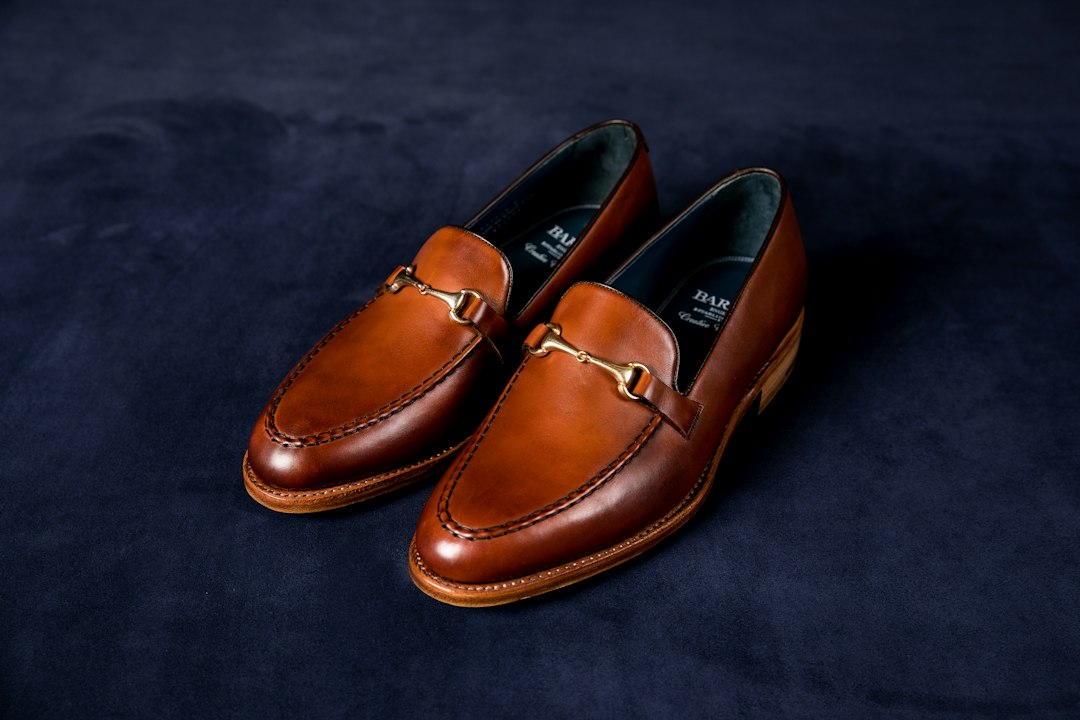
🧰 Tools & Gear You’ll Need
- Thick wool socks
- Thin dress socks
- Hair dryer
- Thick socks or paper stuffing
- Rubbing alcohol (optional, use with extreme caution)
- Band-aids or blister bandages
- Leather conditioner
- Shoe trees
The Luxury Loafer Dilemma: Beautiful Shoes, Brutal Blisters
You’ve just acquired a pair of exquisite, buttery-soft leather loafers. The kind that whispers “sophistication” with every step. But as you slip them on for the first time, a familiar dread creeps in. The promise of unparalleled style is often preceded by the harsh reality of a brutal break-in period. For many, this means enduring painful friction, agonizing rubbing, and the inevitable, miserable heel blisters that can turn a dream shoe into a torture device. This guide is your definitive manual, forged in the fires of countless break-in battles, to conquer your luxury loafers and make them your most comfortable allies.
Understanding Leather Loafer Break-In: Why It Hurts
New leather, especially the high-grade leather used in luxury loafers, is stiff. It hasn’t been molded to the unique contours of your feet. The leather fibers are tightly packed, and the shoe’s structure is rigid. When you walk, these stiff areas rub against your skin, particularly at the heel, the Achilles tendon, and the sides of your feet. Your body’s natural reaction is friction, and blisters are the unfortunate result of that friction breaking down the skin’s outer layers. It’s a mechanical issue, plain and simple, exacerbated by a lack of give in the material.

The True Cost of Uncomfortable Luxury Footwear
Beyond the immediate physical pain, uncomfortable luxury footwear carries a hidden cost. The psychological toll of dreading to wear your expensive shoes is significant. You might find yourself reaching for older, less stylish, but comfortable options, defeating the purpose of your luxury purchase. Furthermore, improperly broken-in shoes can lead to compensatory gait changes, potentially causing foot, knee, hip, or even back pain over time. The short-term pain of a blister can escalate into long-term musculoskeletal issues if ignored. The cost isn’t just monetary; it’s about the freedom to move comfortably and confidently.
The Ultimate Loafer Break-In Toolkit: What You’ll Need
Before you even think about putting on your new loafers, gather your arsenal. A well-equipped toolkit is the first line of defense against painful break-in periods. Think of this as preparing for a tactical mission – thorough preparation prevents poor performance.
Essential Items: Socks, Heat, and Patience
These are non-negotiable. Thick, moisture-wicking wool socks are your best friend during the initial stages. They provide padding and help stretch the leather gradually. Thin dress socks are for later, when you’re transitioning to longer wear times. A reliable hair dryer is crucial for targeted heat application, making the leather more pliable. And perhaps the most critical item: patience. This is not a race. Rushing the process is the fastest way to guarantee blisters.
Beyond the Basics: Advanced Break-In Aids
For those particularly stubborn loafers or sensitive feet, a few extra items can make a world of difference. Blister bandages or specialized blister prevention tape are lifesavers. They create a protective barrier where friction is anticipated. Rubbing alcohol can be used *very sparingly* and *with extreme caution* to slightly stiffen the inside lining in high-friction areas, but this is an advanced technique best left for experienced users, as overuse can damage the shoe’s interior. Leather conditioner will be used *after* the break-in to maintain suppleness.

Step-by-Step: Your Pain-Free Loafer Break-In Strategy
This is where the rubber meets the road – or rather, where the leather meets your foot, painlessly. Follow this structured approach meticulously.
Initial Assessment: Identifying High-Friction Zones
Put on your thickest pair of wool socks. Now, carefully slip on your loafers. Stand up, walk around your house for a few minutes. Pay close attention to where you feel the most pressure, pinching, or rubbing. Common culprits are the heel cup, the top edge of the vamp (where the shoe meets your foot), and sometimes the sides near the arch. Mark these areas mentally or, if you’re very careful, with a piece of chalk or tape.
The Sock Method: Gradual Stretching for Comfort
This is the cornerstone of a pain-free break-in. Wear your thick wool socks with the loafers around your house for increasingly longer periods. Start with 30 minutes, then an hour, then two. If you feel any significant discomfort, take them off. The goal is to let the leather gradually conform to the shape of your foot *through the padding of the socks*. This prevents direct skin friction. Do this for several days, extending the wear time as comfort allows.
Heat Application: Softening Stubborn Leather Safely
If certain areas remain stubbornly stiff after a few days of the sock method, it’s time for controlled heat. Keep your thick socks on. Use a hair dryer on a medium heat setting, holding it about 6-8 inches away from the shoe. Gently flex the shoe with your foot while applying heat to the targeted stiff areas for 20-30 seconds at a time. Do this in short bursts, alternating with periods of flexing and walking around. The heat makes the leather more pliable, and flexing helps it mold to your foot shape. Let the shoes cool completely while still on your feet to set the new shape.
Targeted Pressure Points: Addressing Specific Rubbing Areas
If a specific spot continues to rub even after heat, you can apply targeted pressure. With the thick socks on and the loafers still slightly warm from heat application (or just on your feet), use your thumbs to firmly push and massage the stiff areas from the inside. You can also stuff the shoes tightly with thick socks or paper overnight, focusing on areas that need outward pressure. This mimics the stretching process more aggressively in localized spots.
The Wear-In Schedule: Building Stamina for Your Feet and Loafers
Once the initial stiffness is gone and you can wear the loafers around the house with thick socks for a couple of hours without significant discomfort, it’s time to transition. Start wearing them with thin dress socks for short outings – a quick trip to the store, a short walk. Always have band-aids or blister prevention tape on hand, especially for the first few times you wear them outside. Gradually increase the duration of wear. If you feel any hot spots, take the shoes off immediately and apply a preventative bandage to that area for the next wear.

Common Loafer Break-In Pitfalls and How to Avoid Them
Even with the best intentions, break-in mishaps happen. Knowing the common traps can save you a world of pain.
Over-Stretching Nightmares: When Too Much is Too Much
It’s tempting to speed things up by wearing shoes for too long, too soon, or using aggressive stretching tools. Over-stretching can permanently widen the shoe, leading to a sloppy fit where your foot slides around. This creates new friction points and negates the purpose of a snug, supportive fit. Always err on the side of caution and shorter wear times, gradually increasing them.
The Blister Backlash: Recognizing and Treating Early Warning Signs
A blister doesn’t appear out of nowhere. It starts as a hot spot – a localized area of intense friction and warmth. If you feel a hot spot developing, stop. Take the shoe off immediately. Apply a blister bandage or a piece of moleskin to the area *before* it fully develops into a blister. If a blister does form, clean the area gently, apply an antiseptic, and cover it with a specialized blister bandage or hydrocolloid dressing. Let the skin heal completely before attempting to wear the loafers again.
Ignoring the Pain: Why Pushing Through is a Bad Idea
This is perhaps the most critical mistake. Your body is signaling a problem. Ignoring it, or “toughing it out,” will only lead to worse blisters, potential infection, and long-term damage. The goal is a *pain-free* break-in. If it hurts, stop. Re-evaluate your strategy, apply preventative measures, and try again later. Luxury loafers are meant to be enjoyed, not endured.

Beyond the Break-In: Maintaining Your Luxury Loafers
Once your loafers are comfortable, the work isn’t over. Proper care ensures they remain that way and last for years.
Proper Storage for Longevity
Always store your loafers with shoe trees, preferably made of cedar. Cedar absorbs moisture and helps the shoes retain their shape, preventing creasing and structural damage. Store them in a cool, dry place, away from direct sunlight, which can fade and dry out the leather.
Conditioning for Supple Leather
Leather is skin, and like skin, it needs moisture. Use a high-quality leather conditioner specifically designed for footwear every few months, or more often if you live in a dry climate or wear your loafers frequently. Apply a small amount with a soft cloth, let it absorb, and then buff off any excess. This keeps the leather supple, prevents cracking, and maintains its natural luster.
Expert Q&A: Your Toughest Loafer Break-In Questions Answered
Q: How long does it typically take to break in luxury leather loafers?
A: This varies greatly depending on the leather’s thickness, the shoe’s construction, and your foot shape. Generally, expect anywhere from a few days of consistent wear around the house to two weeks of gradual transition to full comfort. Some perfectly crafted loafers might feel great from day one, while others require more patience.
Q: Can I wear my new loafers in the rain?
A: It’s best to avoid wearing new, unconditioned loafers in the rain. Water can stiffen the leather further, potentially cause water spots, and make the break-in process more difficult. Once broken in and properly conditioned, they can handle light rain, but prolonged exposure should be avoided. Always dry them naturally away from direct heat if they do get wet.
Q: What if the heel is just too wide, not too tight?
A: A common issue with some loafer styles. If the heel cup genuinely allows your heel to slip excessively even after the break-in period, you might need to use heel grips or inserts designed for shoe fit. These are typically self-adhesive pads that add a bit of cushioning and friction to the inside of the heel counter, helping to secure your foot.
Q: Is it okay to use rubbing alcohol?
A: Use with extreme caution and only as a last resort on specific, localized friction points if other methods fail. Apply a tiny amount with a cotton swab to the *inside* of the shoe lining in the problem area. Allow it to dry completely. The alcohol can slightly stiffen and shrink the lining material. However, overuse can damage the lining, cause discoloration, or create new stiffness. Always test on an inconspicuous area first, and prioritize gentler methods.
Breaking in luxury leather loafers is a rite of passage. It requires understanding, patience, and the right strategy. By following these steps, you can transform those beautiful, stiff new shoes into your most comfortable, go-to footwear, free from the tyranny of blisters. Wear them well.