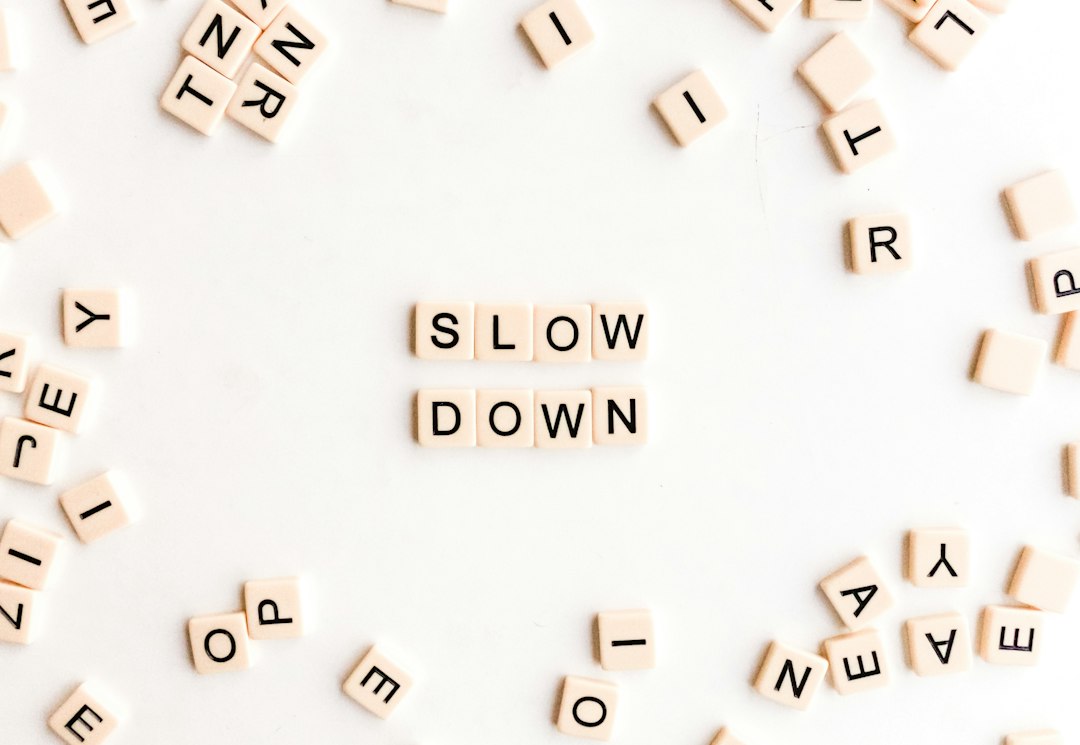
Decoding the Dichotomy: Slow Living vs. Hustle Culture
In the relentless pursuit of success and validation, modern society often glorifies a frantic pace of life, pushing individuals to their limits. Two dominant philosophies frame this struggle: the ‘hustle culture’ that champions constant productivity and the ‘slow living’ movement advocating for a more deliberate and mindful existence. This dichotomy lies at the heart of a critical question: can we achieve genuine fulfillment without succumbing to burnout, or is the high-octane lifestyle the only path to accomplishment? This article dissects these two opposing forces, examining their impact on productivity, well-being, and ultimately, our capacity for intentional fulfillment in 2026.
The essence of this debate is not merely about work-life balance; it’s about a fundamental re-evaluation of what constitutes a successful and meaningful life. As we navigate an increasingly complex world, understanding the distinct tenets of slow living and hustle culture becomes paramount. It’s a choice between a life of frantic activity, often leading to exhaustion, and a life of conscious intention, prioritizing well-being and deeper satisfaction. The following sections will explore each philosophy, identify the pervasive issue of burnout, and investigate whether a slower, more intentional approach can paradoxically enhance productivity and lead to lasting fulfillment.
The Allure and Pitfalls of Hustle Culture Productivity
Hustle culture, deeply ingrained in contemporary digital and professional landscapes, promotes the idea that ceaseless work, long hours, and a constant state of “on” are prerequisites for success. It’s fueled by a barrage of social media portrayals of triumphant entrepreneurs and ambitious professionals, often showcasing overnight successes built on an unspoken foundation of extreme effort and sacrifice. The allure is powerful: the promise of rapid advancement, financial gain, and societal recognition. The narrative suggests that any downtime is a sign of weakness or lack of ambition. Metrics like hours logged, tasks completed, and immediate results often become the sole indicators of worth and progress.

However, this relentless drive comes with significant drawbacks. The constant pressure to perform and the glorification of busyness often mask a dangerous undercurrent of burnout. Sleep deprivation, strained personal relationships, neglected physical and mental health, and a pervasive sense of anxiety are common side effects. The focus on quantity over quality, speed over depth, and external validation over internal satisfaction creates a treadmill effect where one is always striving but rarely arriving at a place of genuine contentment. The long-term sustainability of this model is questionable, as it fundamentally disregards human physiological and psychological needs for rest, reflection, and genuine connection.
Understanding the Core Principles of Slow Living
In stark contrast, slow living is not about idleness or a lack of ambition; rather, it’s a conscious and deliberate approach to life that prioritizes quality, intention, and well-being over sheer speed and quantity. It encourages individuals to savor experiences, engage deeply with tasks, and cultivate meaningful connections. Key principles include:
- Mindfulness and Presence: Being fully engaged in the current moment, whether it’s enjoying a meal, a conversation, or a task, rather than constantly thinking about the next thing.
- Intentionality: Making conscious choices about how time, energy, and resources are spent, aligning actions with personal values and priorities.
- Quality over Quantity: Focusing on doing fewer things but doing them exceptionally well, leading to deeper satisfaction and more meaningful outcomes.
- Connection: Nurturing relationships with oneself, others, and the natural world, recognizing that these connections are vital for well-being.
- Rest and Restoration: Understanding that rest is not a reward for work but an integral part of a healthy, productive, and fulfilling life.
Slow living advocates for a more sustainable pace, allowing for reflection, creativity, and genuine rest. It’s about living deliberately, finding joy in the process, and building a life that feels rich and authentic, not just busy and outwardly successful.
Identifying the Signs of Burnout in Modern Life
Burnout is a state of emotional, physical, and mental exhaustion caused by prolonged and excessive stress. It’s a direct consequence of the unsustainable demands often imposed by hustle culture. Recognizing its signs is the first step toward mitigating its impact. Common indicators include:
- Exhaustion: Persistent feelings of fatigue, both physical and emotional, that are not relieved by rest.
- Cynicism and Detachment: A growing sense of negativity, irritability, and a loss of interest in activities or people that were once important. This can manifest as a feeling of being detached from one’s work or life.
- Reduced Efficacy: A decline in productivity, creativity, and problem-solving abilities, accompanied by feelings of self-doubt and a sense of ineffectiveness.
- Physical Symptoms: Frequent headaches, digestive issues, changes in appetite or sleep patterns, and a weakened immune system are also common.
- Emotional Numbness: Difficulty experiencing positive emotions, leading to a general sense of apathy or emptiness.
In 2026, as the lines between work and personal life continue to blur, these signs are more prevalent than ever. Ignoring them can lead to severe health consequences and a profound sense of dissatisfaction. The prevalence of burnout is a critical indicator that the dominant hustle culture paradigm is failing many individuals.
The Productivity Paradox: Can Slow Living Actually Boost Output?
The notion that slowing down can lead to increased productivity seems counterintuitive, especially in a world that equates busyness with success. However, a growing body of evidence and anecdotal experiences suggests that embracing slow living principles can paradoxically enhance focus, creativity, and overall output. This is the productivity paradox: by stepping off the frantic treadmill, individuals can often achieve more meaningful and sustainable results.
Challenging Conventional Productivity Metrics
Traditional productivity metrics, such as hours worked, tasks completed per day, or emails sent, often fail to capture the true essence of valuable work. They prioritize visible activity over deep, impactful results. Hustle culture thrives on these quantifiable, surface-level metrics. Slow living, on the other hand, encourages a shift towards outcome-based evaluation, focusing on the quality and impact of work rather than the sheer volume or speed of its completion. It posits that by working with more intention and focus, the same or even better results can be achieved in less time, leaving room for rest and rejuvenation.
Consider the difference between churning out ten mediocre reports in a week versus crafting one insightful, deeply researched analysis that drives significant change. Hustle culture might celebrate the former, while slow living would champion the latter. The key is to redefine what “productive” truly means, moving beyond mere activity to meaningful contribution.
Case Studies: How Intentional Living Enhances Focus
Numerous studies and real-world examples illustrate the power of intentional living in boosting focus and cognitive function. When individuals are not constantly bombarded with distractions and the pressure to multitask, their capacity for deep work (a term popularized by Cal Newport) increases significantly. Deep work involves performing tasks in a state of distraction-free concentration that pushes cognitive capabilities to their limit. This leads to the creation of new value, improved skills, and a greater sense of accomplishment.

For instance, companies that have implemented “no-meeting days” or encouraged employees to block out focus time have reported not only higher employee satisfaction but also improved project completion rates and innovation. Similarly, individuals who practice mindfulness and schedule dedicated periods for “deep work” often find they can accomplish more complex tasks with greater accuracy and less mental fatigue than when trying to juggle multiple demands simultaneously.
Strategies for Integrating Slow Living Principles into a Busy Schedule
Adopting slow living doesn’t necessitate a complete overhaul of one’s life or career. It’s about making incremental, intentional changes. Some effective strategies include:
- Time Blocking for Deep Work: Schedule specific, uninterrupted blocks of time for focused tasks. Treat these blocks with the same importance as meetings.
- Mindful Transitions: Create small rituals to transition between activities. This could be a short walk, a few deep breaths, or listening to a piece of music before starting a new task.
- Digital Minimalism: Set boundaries for technology use. Turn off non-essential notifications, schedule times for checking email, and consider digital detox periods.
- Single-Tasking: Consciously focus on completing one task before moving to the next. Resist the urge to multitask.
- Prioritize Rest: Schedule adequate sleep and incorporate short breaks throughout the day to rest and recharge.
- Intentional Scheduling: Be selective about commitments. Learn to say “no” to activities that do not align with your priorities or values.
These strategies help reclaim control over one’s time and attention, fostering a more deliberate and less reactive way of living and working.
| Metric | Hustle Culture | Slow Living |
|---|---|---|
| Primary Focus | Quantity, Speed, Output Volume | Quality, Depth, Impact, Well-being |
| Work Hours | Long, often irregular, blurring work-life boundaries | Defined, intentional, with clear boundaries and adequate rest |
| Productivity Measure | Hours logged, tasks completed, emails sent | Quality of output, meaningful contribution, focus achieved |
| Risk of Burnout | High | Low to Moderate (requires conscious effort to maintain) |
| Fulfillment Source | External validation, career milestones, financial gain | Internal satisfaction, meaningful experiences, strong relationships, personal growth |
| Pace | Frantic, reactive, always “on” | Deliberate, intentional, mindful |
| Key Tool | Task managers, aggressive scheduling, efficiency hacks | Mindfulness, single-tasking, time blocking for deep work, intentional breaks |
Beyond Burnout: Cultivating Intentional Fulfillment
Burnout is a significant barrier to living a fulfilling life. The relentless pressure of hustle culture often leaves individuals feeling drained, disconnected, and questioning the very purpose of their efforts. Cultivating intentional fulfillment is about actively choosing a path that prioritizes deep satisfaction and well-being, moving beyond the superficial metrics of success often promoted by the hustle mindset.
Redefining Success: Beyond Career Milestones
For many, success has been narrowly defined by career progression, financial accumulation, and societal recognition. This definition often leads to a perpetual chase, where achieving one milestone only prompts the pursuit of the next, leaving little room for genuine contentment. Intentional fulfillment encourages a broader, more personal definition of success. It encompasses strong relationships, personal growth, contributions to community, health and well-being, and the ability to pursue passions and interests. In 2026, a more holistic view of success is not just desirable but essential for sustained happiness and resilience.

The Role of Mindfulness and Presence in Fulfillment
Mindfulness, the practice of paying attention to the present moment without judgment, is a cornerstone of intentional fulfillment. When we are truly present, we can fully experience and appreciate the richness of life, rather than constantly dwelling on the past or worrying about the future. This heightened awareness allows for deeper connections with ourselves and others, greater appreciation for simple pleasures, and improved emotional regulation.
Presence transforms everyday activities from mundane tasks into opportunities for engagement and satisfaction. A mindful walk in nature, a focused conversation with a loved one, or even the simple act of savoring a cup of tea can become profound sources of fulfillment when approached with intentional awareness. This contrasts sharply with the fragmented attention often characteristic of hustle culture, where individuals are physically present but mentally elsewhere, rushing through experiences.
Building Sustainable Habits for Long-Term Well-being
Intentional fulfillment is not a destination but an ongoing practice. It requires building sustainable habits that support long-term well-being. This involves creating routines that nourish the mind, body, and spirit. These habits might include:
- Regular physical activity that is enjoyed, not endured.
- Nutritious eating habits that support energy and health.
- Sufficient and restful sleep as a non-negotiable priority.
- Dedicated time for reflection, journaling, or meditation.
- Cultivating strong social connections through meaningful interactions.
- Engaging in hobbies and creative pursuits purely for enjoyment.
These habits, when practiced consistently, create a robust foundation for a life that feels not only productive but also deeply satisfying and resilient to life’s inevitable challenges.
Practical Application: Transitioning from Hustle to Harmony
Shifting from a deeply ingrained hustle culture mindset to one of slow living and intentional fulfillment can feel daunting. It requires a conscious effort to unlearn old habits and embrace new perspectives. The transition is a journey, not an overnight transformation, and it involves practical steps and tools to navigate the change.
Step-by-Step Guide to Adopting a Slow Living Mindset
- Self-Assessment: Honestly evaluate your current habits, priorities, and the sources of stress and fulfillment in your life. Identify specific areas where hustle culture’s influence is strongest.
- Define Your Values: Clarify what is truly important to you. What do you want your life to be about beyond external achievements?
- Set Realistic Goals: Begin with small, manageable changes. Instead of trying to eliminate all your commitments, perhaps start by carving out 30 minutes of tech-free time each evening.
- Schedule “Slow” Activities: Intentionally block time in your calendar for activities that nourish you – reading, walking, spending time with loved ones, pursuing a hobby.
- Practice Saying “No”: Learn to decline requests or opportunities that don’t align with your values or that would overextend you.
- Embrace Imperfection: Understand that transitions are rarely perfect. Be kind to yourself if you slip back into old habits. The key is to notice and gently redirect.
- Seek Support: Talk to friends, family, or a therapist about your goals. Sharing your journey can provide encouragement and accountability.
Tools and Techniques for Intentional Productivity
While slow living prioritizes depth over speed, it doesn’t mean abandoning efficiency. Instead, it involves using tools and techniques that support focused, intentional work:
- Digital Decluttering: Regularly organize digital files, unsubscribe from unnecessary emails, and limit social media usage.
- Focus Apps: Utilize apps like Forest or Freedom to block distracting websites and apps during work periods.
- Mindfulness Apps: Use resources like Calm or Headspace for guided meditations and breathing exercises to enhance presence and reduce stress.
- Analog Tools: For some, the simplicity of a physical planner or notebook can reduce digital distractions and enhance focus.
- Pomodoro Technique: Work in focused bursts (e.g., 25 minutes) followed by short breaks, which can improve concentration and prevent mental fatigue.

Overcoming Obstacles: Common Challenges in Shifting Perspectives
The path from hustle to harmony is not without its challenges. Common obstacles include:
- Guilt: Feeling guilty for resting or not being constantly productive, especially if this is a deeply ingrained belief.
- Societal Pressure: The external validation and expectations of a hustle-driven society can be powerful deterrents.
- Fear of Falling Behind: Worrying that slowing down will lead to missed opportunities or career stagnation.
- Habit Reinforcement: Old patterns of behavior are difficult to break and require consistent effort to overcome.
- Lack of Immediate Results: The benefits of slow living are often cumulative and may not be immediately apparent, making it hard to stay motivated.
Addressing these obstacles requires patience, self-compassion, and a strong commitment to your redefined values and goals. Reminding yourself *why* you are making this shift—for greater fulfillment and well-being—is crucial.
Real-World Impact: Voices of Those Who’ve Made the Shift
The theoretical benefits of slow living are compelling, but its true impact is best understood through the experiences of individuals who have navigated the transition from burnout to intentional fulfillment. Hearing these real-world accounts provides invaluable insight and encouragement.
Personal Stories: Navigating Burnout and Finding Balance
“I was a classic burnt-out professional,” shares Sarah, a former marketing executive. “My days were 14-hour marathons, fueled by caffeine and the fear of missing out. I was successful by all external metrics, but I felt hollow, exhausted, and disconnected from my own life. The turning point came when I realized I couldn’t sustain it. I started by setting firm boundaries: no work emails after 7 PM, no checking my phone during family dinners. Then, I intentionally scheduled ‘nothing’ time—just to sit, read, or wander. It felt incredibly uncomfortable at first, almost like I was failing. But gradually, my focus improved, my creativity returned, and surprisingly, my work output became more impactful. I’m happier, healthier, and more effective now than I ever was during my ‘hustle’ phase.”
Mark, a software developer, echoes this sentiment. “I used to pride myself on coding through the night. Burnout hit me hard – I was making mistakes, my passion dwindled, and I felt like a robot. I decided to explore slow living, focusing on single-tasking and taking genuine breaks. By dedicating focused blocks to coding and ensuring I got enough sleep, I found I could solve complex problems faster and with fewer errors. My personal life also improved dramatically. It’s about working smarter, not just harder, and recognizing that rest is a critical component of high performance.”
Expert Insights on the Future of Work and Well-being
Leading thinkers in organizational psychology and future of work studies are increasingly advocating for models that integrate well-being and intentionality. Dr. Anya Sharma, a renowned organizational psychologist, states, “The prevailing hustle culture is unsustainable and detrimental to both individual health and long-term business success. Organizations that prioritize employee well-being, encourage sustainable work practices, and foster environments of psychological safety will be the ones that thrive in the coming years. The future of work is not about working more; it’s about working better, with more purpose and intention.”
Futurist and author Ben Carter suggests, “We’re seeing a cultural shift. Younger generations are less inclined to sacrifice their well-being for a career ladder that offers diminishing returns in terms of happiness. They are seeking purpose, flexibility, and a life that allows for personal growth and experiences outside of work. The companies and individuals who embrace this intentional approach will lead the way in defining success in the 21st century.”
The Path Forward: Embracing a Fulfilled Life in 2026
As we look towards 2026 and beyond, the choice between the frantic pace of hustle culture and the intentionality of slow living becomes increasingly critical. The evidence suggests that true, sustainable fulfillment is not found in relentless pursuit but in mindful engagement, deliberate choices, and a deep respect for our own well-being. The path forward involves actively choosing a life that is not just productive, but profoundly meaningful.
Actionable Steps for Sustaining Intentional Fulfillment
- Regularly Re-evaluate: Make time quarterly or bi-annually to assess your priorities, values, and habits. Ensure your actions still align with your intentions.
- Cultivate Gratitude: Make a daily practice of acknowledging what you are thankful for. This can shift focus from what’s lacking to what is abundant.
- Prioritize Connection: Intentionally nurture relationships. Schedule regular time for meaningful interactions with loved ones.
- Embrace Lifelong Learning (for Joy): Pursue knowledge and skills that genuinely interest you, not just those that enhance your career.
- Give Back: Find ways to contribute to your community or causes you care about. Purpose beyond oneself is a powerful source of fulfillment.
The Ongoing Journey: Continuous Growth and Adaptation
Embracing slow living and intentional fulfillment is not a static state but a continuous journey of growth and adaptation. Life circumstances change, and our approach to living deliberately must evolve with them. The key is to remain adaptable, compassionate with ourselves, and committed to the principles that foster genuine well-being and lasting satisfaction.
In 2026, the narrative is shifting. It’s no longer solely about climbing the ladder at all costs, but about building a life that is rich, meaningful, and sustainable. By consciously choosing intentionality over frantic activity, we can escape the burnout trap and cultivate a deeper, more authentic sense of fulfillment. The choice is ours: to be perpetually busy, or to be truly alive.
👑 Ultimate Winner: Slow Living
While hustle culture promises rapid rewards, its long-term costs—burnout, strained well-being, and a lack of deep fulfillment—are too high. Slow Living, conversely, offers a sustainable path to genuine satisfaction by prioritizing quality, intention, mindfulness, and well-being. It not only mitigates burnout but paradoxically enhances focus and productivity through deep work. It redefines success beyond external metrics, fostering meaningful connections and personal growth. This approach is Best for individuals seeking a balanced, resilient, and deeply fulfilling life in 2026 and beyond, allowing for both meaningful contribution and personal well-being.