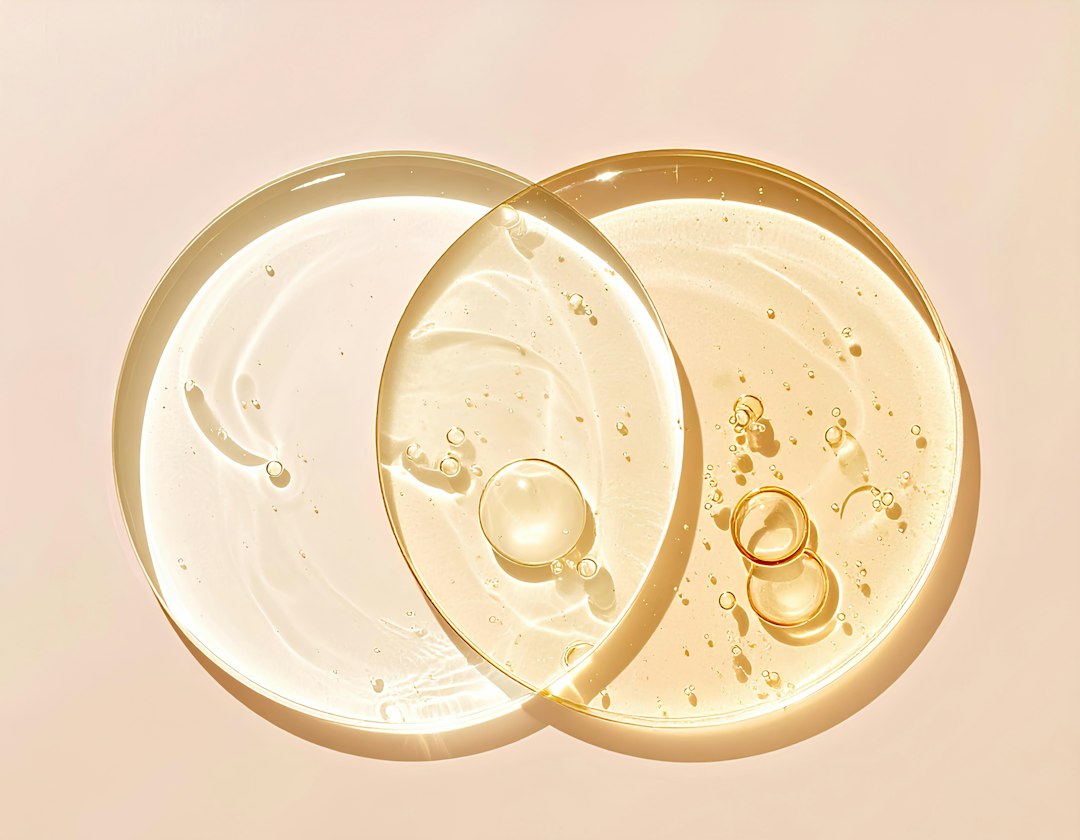
Dry skin isn’t just about flakiness; it’s a symptom of a compromised skin barrier, the crucial outer layer protecting us from environmental aggressors and preventing vital moisture loss. Choosing between botanical facial oils and hyaluronic acid serums for barrier repair can be perplexing, as both offer distinct benefits. This in-depth analysis dissects their mechanisms, effectiveness, and ideal use cases to guide your selection for optimal skin barrier health in 2026.
Understanding Your Dry Skin Barrier: The Core Issue
The skin barrier, primarily the stratum corneum, acts as the gatekeeper of our skin. It’s composed of skin cells (corneocytes) embedded in a lipid matrix rich in ceramides, cholesterol, and fatty acids. This structure is essential for maintaining hydration and defending against pathogens and irritants.
What is the Skin Barrier and Why It Matters
A healthy skin barrier is integral to overall skin health. It prevents transepidermal water loss (TEWL), keeping skin hydrated and plump. It also acts as a physical shield, preventing allergens, pollutants, and microbes from penetrating the skin. When this barrier is compromised, the skin becomes vulnerable, leading to dryness, irritation, sensitivity, and premature aging.
Common Causes of Dry Skin Barrier Damage
Numerous factors can degrade the skin barrier. Harsh cleansing agents that strip natural lipids, over-exfoliation, environmental stressors like pollution and extreme weather (both heat and cold), and intrinsic aging processes all contribute to barrier impairment. Lifestyle factors such as poor diet, inadequate sleep, and chronic stress also play a significant role. Genetic predisposition can also make some individuals more prone to barrier dysfunction.
Signs Your Dry Skin Barrier Needs Replenishment
Indications of a weakened barrier are unmistakable. Persistent dryness, tightness, flakiness, and a rough texture are primary signs. You might also experience increased sensitivity to products, redness, itching, and a dull complexion. In more severe cases, fine lines and wrinkles may appear more pronounced due to dehydration.
Botanical Facial Oils: Nature’s Emollients for Dry Skin
Botanical facial oils are lipid-based substances derived from plants. They are rich in fatty acids, vitamins, and antioxidants, closely mimicking the natural lipids found in the skin. Their primary function is to lubricate the skin, fill in the gaps within the lipid matrix, and create an occlusive layer that seals in moisture.
Top Botanical Oils for Barrier Repair: Deep Dive

Squalane: The Mimicker of Natural Sebum
Derived from olives or sugarcane, squalane is a saturated form of squalene, a natural component of human sebum. Its molecular structure is highly compatible with the skin, making it an excellent emollient that softens and smooths without feeling heavy or greasy. Squalane is non-comedogenic for most, making it suitable even for acne-prone dry skin.
Rosehip Seed Oil: Rich in Essential Fatty Acids
Cold-pressed from the seeds of the rosehip fruit, this oil is packed with essential fatty acids (EFAs) like linoleic acid and alpha-linolenic acid (ALA). These are crucial components of the skin’s lipid barrier, helping to repair and regenerate skin cells. Rosehip oil also contains Vitamin A precursors, aiding in cell turnover and improving skin texture.
Marula Oil: Antioxidant Powerhouse
Extracted from the kernels of the marula tree’s fruit, this African oil is rich in oleic acid and antioxidants, including Vitamin E and polyphenols. Marula oil offers significant protection against free radical damage and environmental stressors while providing deep moisturization and improving skin elasticity. Its high antioxidant content helps combat oxidative stress that can weaken the barrier.
Argan Oil: Hydration and Elasticity Booster
Hailing from Morocco, argan oil is a rich source of Vitamin E, antioxidants, and fatty acids, primarily oleic and linoleic acids. It effectively moisturizes, enhances skin elasticity, and reduces inflammation. Its emollient properties help to lock in moisture and support the skin’s natural barrier function, making it ideal for dry and mature skin.
How Botanical Oils Replenish the Skin Barrier
Botanical oils work by providing the necessary lipids that are deficient in a damaged barrier. They fill the intercellular spaces, effectively smoothing the skin’s surface and reducing TEWL. The fatty acids within these oils are essential building blocks for the skin’s own lipid matrix, aiding in repair and regeneration. Additionally, many oils contain antioxidants that protect the barrier from further oxidative damage.
Best Botanical Facial Oils for Dry Skin (2026 Reviews)
| Category | Specific Brand & Product Name | Key Ingredients & Benefits | Price Range |
|---|---|---|---|
| Best Overall | Kiehl’s Midnight Recovery Concentrate | Squalane, Lavender Oil, Evening Primrose Oil. Lightweight, absorbs well, replenishes overnight. | $54 – $82 |
| Best for Sensitive Dry Skin | Biossance 100% Squalane Oil | Pure Squalane. Extremely gentle, non-irritating, mimics natural sebum. | $32 – $54 |
| Best Value Botanical Oil | The Ordinary 100% Organic Cold-Pressed Rose Hip Seed Oil | Rosehip Seed Oil. High in EFAs and Vitamin A precursors, excellent for texture and barrier repair. | $11 – $19 |
Hyaluronic Acid Serums: The Hydration Magnets
Hyaluronic Acid (HA) is a glycosaminoglycan, a naturally occurring substance in the skin known for its incredible ability to attract and retain moisture. In serum form, it acts as a powerful humectant, drawing water from the atmosphere and deeper skin layers to hydrate the epidermis.
The Science Behind Hyaluronic Acid for Skin
Hyaluronic acid’s unique molecular structure allows it to hold up to 1,000 times its weight in water. When applied topically, it plumps the skin by drawing moisture to the surface. While HA itself doesn’t contain lipids, by increasing the water content in the stratum corneum, it can temporarily improve the skin’s barrier function and make it appear smoother and more supple.
Different Molecular Weights of HA and Their Impact
Hyaluronic acid serums often contain multiple molecular weights. Low molecular weight HA penetrates deeper into the skin, providing hydration to lower epidermal layers. Medium molecular weight HA sits closer to the surface, while high molecular weight HA forms a protective film on the skin’s surface, reducing TEWL and providing immediate surface hydration. A well-formulated HA serum will utilize a blend for comprehensive hydration.
How Hyaluronic Acid Serums Support Barrier Function
While HA is not a lipid, optimal hydration is crucial for a healthy skin barrier. By increasing the water content in the stratum corneum, HA helps maintain the optimal environment for the skin’s natural lipid production and enzyme activity, which are necessary for barrier repair. Well-hydrated skin cells function more efficiently, and the skin matrix becomes more pliable, reducing the risk of cracks and damage.

Top Hyaluronic Acid Serums for Dry Skin Barrier Support (2026 Reviews)
| Category | Specific Brand & Product Name | Key Ingredients & Benefits | Price Range |
|---|---|---|---|
| Best HA Serum for Intense Hydration | SkinCeuticals H.A. Intensifier | Multi-molecular HA, Proxylane, Glycyrrhetinic Acid, Licorice Root Extract. Boosts skin’s own HA levels, plumps, smooths. | $95 – $110 |
| Best HA Serum with Added Barrier Support | La Roche-Posay Hyalu B5 Pure Hyaluronic Acid Serum | Hyaluronic Acid, Vitamin B5, Madecassoside. Repairs, soothes, hydrates, and supports barrier function. | $30 – $45 |
| Best Budget HA Serum | The Ordinary Hyaluronic Acid 2% + B5 | Multi-molecular HA (low, medium, high weights), Vitamin B5. Affordable, effective hydration. | $8 – $15 |
Botanical Oils vs. Hyaluronic Acid Serums: Head-to-Head
The choice between oils and HA serums hinges on their fundamental mechanisms and how they address barrier needs.
Mechanism of Action: Emollient vs. Humectant
Botanical oils act primarily as emollients. They physically fill the gaps in the lipid barrier, creating a smooth surface and preventing moisture loss by forming an occlusive or semi-occlusive layer. Hyaluronic acid serums function as humectants, drawing water into the skin. While hydration is vital for barrier health, HA doesn’t directly replenish the lipid structure itself.
Absorption and Feel: Which is Right for You?
Facial oils vary greatly in texture. Lighter oils like squalane and argan oil absorb relatively quickly, leaving a soft, non-greasy finish. Heavier oils may leave a more noticeable residue. HA serums typically have a lighter, more watery or gel-like consistency that absorbs instantly, leaving no residue. For those who dislike the feel of oil, HA serums are a preferred option. For very dry or mature skin, the richer feel of an oil might be more comforting and effective.

Long-Term Barrier Replenishment: The Verdict
For direct barrier *replenishment*, particularly when the barrier is significantly damaged and depleted of lipids, botanical oils often have the edge. They provide the essential fatty acids and lipids that the barrier structure requires. Hyaluronic acid serums are indispensable for *supporting* barrier function through optimal hydration, which is a prerequisite for effective repair, but they don’t replace lost lipids.
Ingredient Synergies: Combining Oils and Serums
The most effective approach for many individuals with dry, compromised barriers involves using both. Applying an HA serum first allows it to hydrate the skin. Following up with a botanical oil can then seal in that hydration and provide the necessary lipids for barrier repair. This layered approach leverages the strengths of both ingredient types.
Expert Tips for Maximizing Dry Skin Barrier Replenishment
Implementing these strategies can significantly enhance the effectiveness of your chosen products.
Application Techniques for Oils and Serums
For HA serums, apply a few drops to damp skin after cleansing to maximize humectant function. Gently pat it in. For facial oils, warm a few drops between your palms and press them onto the skin. Avoid rubbing vigorously, which can further irritate a compromised barrier. If using both, apply the HA serum first, wait a minute or two, then apply the oil.
Integrating Oils and Serums into Your Routine
Incorporate HA serums into your morning and evening routine. If using oils, consider them as a serum step or as the final moisturizing step in your evening routine, especially if your skin is very dry. Listen to your skin; if it feels tight and dehydrated, layer an HA serum under an oil. If it feels balanced but needs a boost, a serum might suffice.

Lifestyle Factors Affecting Skin Barrier Health
Beyond topical applications, a healthy lifestyle is paramount. Ensure adequate daily water intake, consume a diet rich in essential fatty acids (found in fish, nuts, and seeds), manage stress levels, and prioritize sufficient sleep. Protect your skin from harsh weather conditions and use gentle, hydrating cleansers.
FAQ: Your Burning Questions About Oils, Serums, and Dry Skin Barriers
Can I use both oils and HA serums?
Absolutely. Using both is often the most effective strategy for dry, compromised skin barriers. Apply the HA serum first to hydrate, followed by the oil to seal in moisture and provide lipids.
Which is better for extremely dry, flaky skin?
For extremely dry, flaky skin, botanical facial oils that are rich in essential fatty acids and ceramides are generally more effective for direct barrier repair. However, combining them with a hydrating HA serum can provide superior results by addressing both lipid deficiency and dehydration.
How long does it take to see results?
Visible improvements can often be seen within a few days to a week of consistent use, particularly with HA serums improving hydration and plumpness. Noticeable barrier repair from oils, involving the regeneration of the lipid matrix, may take several weeks (4-8 weeks) of consistent application.
Are there any ingredients to avoid when my barrier is compromised?
Yes. Avoid harsh surfactants (like Sodium Lauryl Sulfate), high concentrations of alcohol, strong fragrances, and aggressive exfoliants (like high-percentage AHAs/BHAs or physical scrubs) until your barrier has healed. Focus on gentle, hydrating, and barrier-supporting ingredients.
👑 Ultimate Winner: Integrated Approach
For comprehensive dry skin barrier replenishment in 2026, the Ultimate Winner isn’t a single product type, but an Integrated Approach combining high-quality Botanical Facial Oils and Hyaluronic Acid Serums. Oils excel at directly replenishing lost lipids and providing emollience, crucial for repairing a damaged barrier structure. Hyaluronic Acid serums, acting as powerful humectants, ensure optimal hydration levels, creating the ideal environment for natural repair processes and plumping the skin. This dual-action strategy addresses both the structural integrity and the hydration needs of a compromised barrier, offering the most robust solution for dry skin. Start with a hydrating HA serum on damp skin, followed by a nourishing botanical oil pressed gently over it for maximum efficacy.