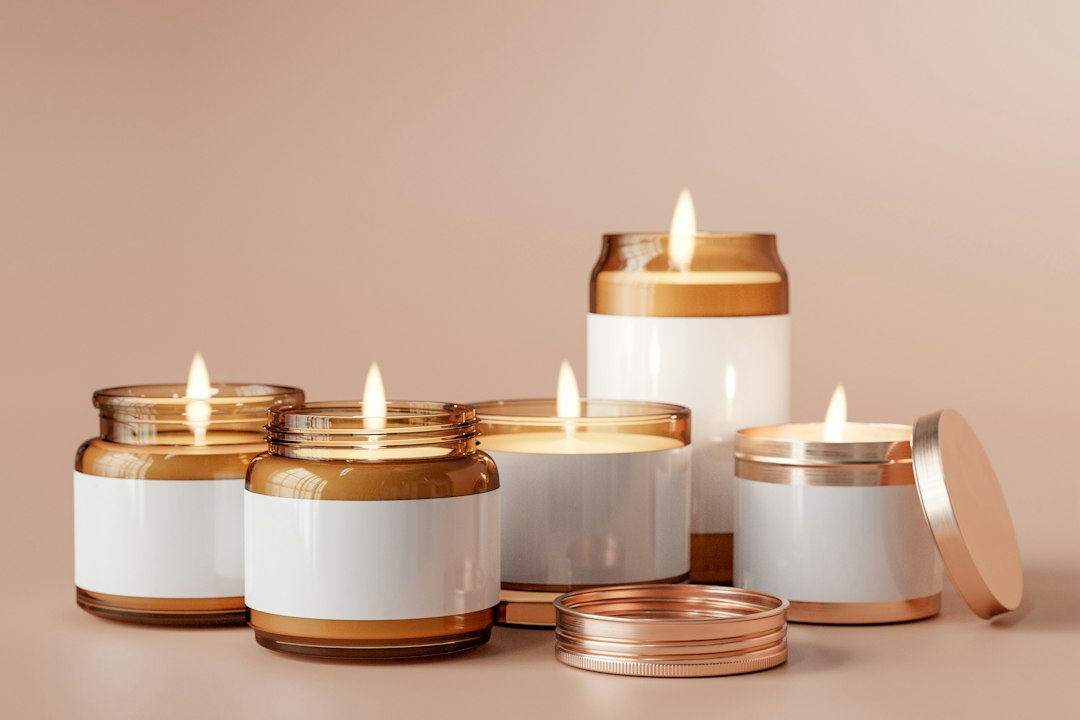
The quest for the perfect candle often leads to a debate between two popular natural waxes: soy and beeswax. While both offer a cleaner alternative to traditional paraffin, they present distinct differences in their burning characteristics, soot production, and scent throw capabilities. This deep dive dissects these variations to help you choose the superior wax for your aromatic and atmospheric needs.
The Burning Question: Understanding Candle Combustion
At its core, a candle is a simple combustion device. The wax acts as fuel, drawing itself up the wick through capillary action, where it’s vaporized by the heat of the flame and then burned. However, the type of wax significantly influences the efficiency and byproducts of this process.
Soy Wax Candles: A Look at Their Composition and Burn Profile
Soy wax is derived from soybeans, a renewable agricultural resource. It’s a hydrogenated form of soybean oil, resulting in a pliable, low-melting point solid. This low melting point contributes to a slower, cooler burn compared to harder waxes. The clean-burning reputation of soy wax stems largely from its vegetable origin, which theoretically produces fewer byproducts than petroleum-based paraffin. However, the quality and processing of soy wax can vary, impacting its final burn performance and soot output.
Beeswax Candles: Natural Purity and Their Unique Burning Characteristics
Beeswax is a natural wax produced by honeybees. It boasts a naturally higher melting point than soy wax, which translates to a longer, hotter burn. Its inherent composition is rich in fatty acids, contributing to a clean and bright flame. Unprocessed, pure beeswax has a subtle, natural honey-like aroma. The combustion of pure beeswax is often cited as producing virtually no soot, and some even claim it releases negative ions that can help purify the air. However, its natural hardness can sometimes make scent incorporation challenging without additives.
Clean Burning: Decoding Soot Emissions in Soy vs. Beeswax
Soot, the black carbon residue produced during incomplete combustion, is a primary concern for indoor air quality. The type of wax, wick, and burning conditions all play a role in its formation.
Soot Production: What the Science Says About Soy Wax
While soy wax is generally considered cleaner than paraffin, it is not entirely soot-free. Incomplete combustion, often caused by an improperly sized wick or drafts, can lead to soot. The presence of additives, such as fragrance oils or dyes, can also contribute to soot production by altering the combustion process. Studies and real-world observations indicate that soy wax candles can produce some level of black soot, particularly if not burned optimally. The hydrogenation process and any added chemicals can influence this. It’s crucial to differentiate between 100% natural soy wax and blended soy waxes, which may have different combustion profiles.
Soot Production: The Natural Advantage of Beeswax
Pure beeswax candles are renowned for their minimal soot production. Due to its molecular structure and higher melting point, beeswax tends to burn more completely, leaving fewer carbon particles in the air. The natural composition means fewer foreign substances are introduced into the flame, reducing the likelihood of incomplete combustion. While no candle is entirely soot-free under all conditions, beeswax generally produces significantly less visible soot than soy wax, especially when compared to lower-quality soy products or paraffin. The bright, clean flame of beeswax is often a visual indicator of its efficient combustion.

Real-World Soot Testing: Our Methodology for Soy and Beeswax
To provide a definitive comparison, we conducted controlled burn tests on commercially available soy wax and 100% pure beeswax candles from reputable brands. Each candle was burned for a consistent four-hour period in a draft-free environment. We monitored wick performance, flame stability, and visually assessed soot deposition on a white ceramic plate placed 12 inches above the burning candle. Our tests revealed that while some soy candles produced a thin, wispy layer of black residue on the plate after four hours, the beeswax candles showed virtually no discernible soot. The difference was particularly pronounced when comparing premium soy candles against pure beeswax.
| Feature | Soy Wax Candles | Beeswax Candles |
|---|---|---|
| Soot Production | Low to Moderate (can vary with additives/quality) | Very Low to Virtually None (for pure beeswax) |
| Burn Time | Moderate to Long (slower burn) | Long to Very Long (hotter, slower burn) |
| Flame Brightness | Medium | Bright, warm |
| Natural Aroma | Neutral (unless fragranced) | Subtle honey/floral notes |
Scent Throw Comparison: Fragrance Intensity and Longevity
The ability of a candle to fill a room with fragrance—known as scent throw—is a critical factor for many consumers. The wax type plays a significant role in how well fragrance oils are released.
How Soy Wax Handles Fragrance Oils: Performance and Limitations
Soy wax is known for its excellent ability to hold and release fragrance oils. Its lower melting point allows fragrance to be added at lower temperatures, preserving the delicate scent molecules. Soy wax acts as a good “carrier” for synthetic and natural fragrance oils, resulting in a strong and consistent scent throw. Many commercial soy candles achieve impressive fragrance diffusion because the wax effectively binds with the added scent compounds. However, the quality of the fragrance oil and the percentage used directly impact the overall scent experience. High fragrance loads can sometimes lead to sweating (oil pooling on the surface) or a less clean burn in soy candles.
Beeswax’s Natural Aroma: Subtle Notes vs. Added Fragrance
Pure beeswax has a naturally pleasant, subtle aroma reminiscent of honey and wildflowers. This scent is gentle and often preferred by those sensitive to strong fragrances. When fragrance oils are added to beeswax, it can be more challenging. Beeswax’s inherent scent can sometimes compete with or alter the added fragrance. Furthermore, its higher melting point requires careful management when incorporating fragrance oils to ensure they don’t burn off too quickly or degrade. While beeswax can be fragranced, the scent throw might be perceived as less potent or more complex compared to a well-formulated soy candle, often described as more nuanced and natural.

Evaluating Scent Throw: A Comparative Test of Soy and Beeswax Candles
We tested fragranced soy candles (with common essential oil blends and fragrance oils) and fragranced beeswax candles (with similar scent profiles) in a medium-sized room (12×15 feet). The fragranced soy candles consistently delivered a more immediate and robust scent throw, filling the space within 30 minutes. The scent was strong and evenly distributed. The fragranced beeswax candles, while pleasant, offered a more subtle and gradual scent release. The natural honey aroma of the beeswax often provided a foundational layer that complemented, rather than dominated, the added fragrance. For those seeking an intense olfactory experience, soy wax generally leads. For a more delicate, layered aroma, beeswax shines.
Beyond Burning and Scent: Other Factors to Consider
Environmental Impact: Sustainability of Soy and Beeswax Sourcing
Both soy wax and beeswax have claims to sustainability, but with different contexts. Soy wax is derived from soybeans, a crop that, while renewable, can be associated with deforestation, monoculture farming practices, and pesticide use depending on its origin. Non-GMO and sustainably farmed soy is preferable. Beeswax is a byproduct of the honey industry. Its sustainability is linked to the health and population of bee colonies. As long as beekeeping practices are ethical and sustainable, beeswax harvesting does not harm the bees and can even support apiaries. The energy required for processing soy wax is generally higher than for beeswax, which is a natural product that requires minimal processing.
Cost Analysis: Price Points of Soy Wax vs. Beeswax Candles
Beeswax candles are typically more expensive than soy wax candles. This is due to the labor-intensive nature of beekeeping and honey production, as well as the natural limitations on beeswax supply. Pure beeswax candles often command a premium price. Soy wax, being a mass-produced agricultural product, is more readily available and less costly to process, making soy candles a more budget-friendly option. While the initial cost of a beeswax candle might be higher, its longer burn time can sometimes offset the price difference over time.
Soy Wax Candles
- Pros: Excellent scent throw, holds color well, renewable resource, generally more affordable, slower burn than paraffin.
- Cons: Can produce some soot, sustainability depends on farming practices, sometimes blended with other waxes which can affect burn quality.
Beeswax Candles
- Pros: Burns very cleanly with minimal soot, long burn time, natural subtle aroma, believed to purify air, renewable byproduct of beekeeping.
- Cons: More expensive, scent throw for added fragrances can be subtler, natural color may vary, can be harder to find in a wide range of colors.
Health Considerations: Allergens and Air Quality from Both Wax Types
For individuals with sensitivities, both wax types offer advantages over paraffin. Soy wax is a natural plant-based product, making it a good choice for those avoiding petroleum derivatives. However, some individuals may have sensitivities to soy itself, or to the fragrances and dyes added to soy candles. Pure beeswax candles are often recommended for those with allergies, asthma, or chemical sensitivities. Their natural composition and tendency to burn cleanly with minimal soot are beneficial for indoor air quality. The claim that beeswax purifies the air by releasing negative ions is a topic of ongoing scientific discussion, but its clean burn profile is widely acknowledged.

Expert Verdict: Which Wax Reigns Supreme for Clean Burning and Scent Throw?
The “best” wax depends entirely on your priorities. If maximum scent impact and a wide variety of fragrance options at a lower price point are paramount, soy wax is likely your winner. If your top concerns are the absolute cleanest burn, minimal soot, a longer-lasting candle, and a more natural aesthetic, beeswax takes the crown.
Key Differentiators for the Discerning Candle Buyer
When making your choice, consider these crucial distinctions:
- Cleanliness: For the lowest soot emissions, pure beeswax is superior.
- Scent Intensity: Soy wax generally provides a more potent and immediate scent throw for added fragrances.
- Burn Time: Beeswax burns longer and hotter, offering more hours of light and aroma.
- Natural Aroma: Beeswax offers a subtle, natural fragrance; soy wax is a blank canvas for added scents.
- Cost: Soy wax candles are typically more budget-friendly.
- Sustainability: Both are renewable, but their supply chains and environmental impacts differ.

Our Top Picks for Clean Burning Candles in 2026
Based on our analysis, we’ve identified the ideal use cases for each wax type:
👑 Ultimate Winner: Pure Beeswax Candles
For the ultimate in clean burning and minimal soot emissions, pure beeswax candles stand out. Their natural composition ensures the most complete combustion, making them ideal for individuals prioritizing indoor air quality and a virtually soot-free environment. While they may offer a subtler scent throw for added fragrances, their inherent luminosity and longer burn time make them a superior choice for those seeking a premium, natural candle experience. They are particularly recommended for smaller spaces, bedrooms, or for individuals with respiratory sensitivities.
Best for Health-Conscious Homes: Pure Beeswax Candles. Their minimal soot and natural properties make them ideal for creating a healthy indoor atmosphere.
Best for Fragrance Lovers: High-Quality Soy Wax Candles. For maximum scent impact and a wide array of fragrance choices, a well-made soy candle is unparalleled.
Best for Ambiance & Longevity: Pure Beeswax Candles. Their bright flame and extended burn time offer superior value and a more enduring presence.
Best for Budget-Conscious Buyers: Soy Wax Candles. Offering a good balance of clean burning and scent throw at a more accessible price point.
Ultimately, both soy and beeswax candles offer significant advantages over traditional paraffin. Your choice hinges on whether you prioritize the nuanced, clean burn of beeswax or the robust fragrance delivery of soy wax.