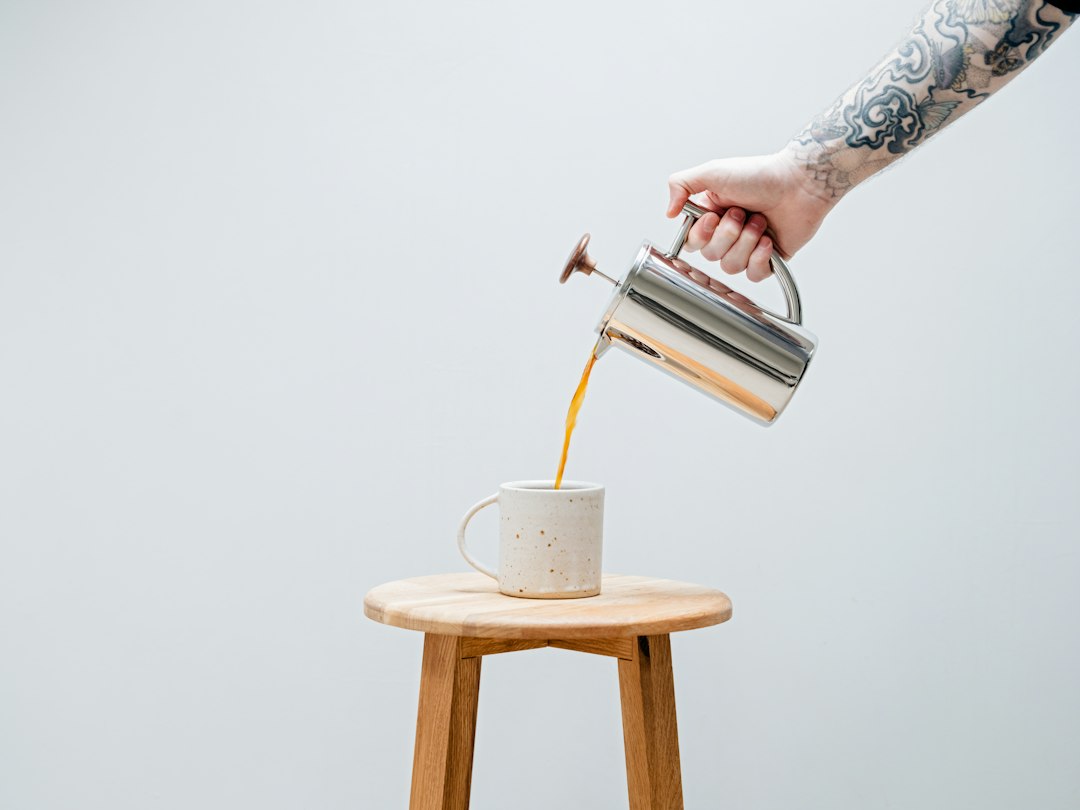
The first sip of the day can either jolt you awake or gently usher you into consciousness. For many, this crucial morning moment is a ritual, a deliberate act to set the tone for the hours ahead. But in the quest for a mindful start, is the ancient grace of the Japanese tea ceremony the superior path, or does the precise craft of specialty pour over coffee offer a more accessible route to morning serenity? This showdown aims to dissect these two distinct yet similarly intentioned morning practices.
The Allure of the Morning Ritual: Setting the Tone for the Day
In the relentless pace of modern life, the morning hours often feel like a battleground – a scramble against the clock to prepare for the demands of work, family, and social obligations. Establishing a consistent morning ritual acts as a powerful anchor, a personal sanctuary carved out before the external world intrudes. It’s a proactive choice to engage with the day on one’s own terms, fostering a sense of control, intention, and well-being that can ripple outwards, influencing mood, productivity, and overall outlook.
Why a Mindful Morning Matters
Mindfulness, at its core, is about present moment awareness without judgment. Applying this to a morning ritual transforms a mundane routine into an opportunity for profound self-connection. It’s about consciously engaging the senses, focusing on the task at hand, and cultivating a sense of calm and clarity. This deliberate practice can reduce stress, improve focus, enhance emotional regulation, and cultivate a deeper appreciation for the simple acts that constitute our daily lives. A mindful morning isn’t just about what you do; it’s about how you *are* while you do it.
Choosing Your Ritual: Tea or Coffee?
The choice between tea and coffee for a morning ritual is deeply personal, often influenced by ingrained habits, cultural background, and individual physiological responses. Do you crave the gentle, sustained energy and complex flavors of a meticulously prepared tea, or the bracing, aromatic kick of a perfectly brewed cup of coffee? Both offer unique pathways to a mindful start, each with its own set of requirements, sensory experiences, and philosophical underpinnings. Understanding these differences is key to selecting the ritual that best resonates with your personal needs and aspirations.
Demystifying the Japanese Tea Ceremony: Grace, Tradition, and Serenity
The Japanese tea ceremony, known as Chanoyu or “the way of tea,” is far more than the simple act of preparing and drinking tea. It is a highly stylized, spiritual, and aesthetic discipline that embodies principles of harmony (和, wa), respect (敬, kei), purity (清, sei), and tranquility (寂, jaku). Rooted in Zen Buddhism, every gesture, utensil, and element of the environment is carefully considered to create an atmosphere of profound mindfulness and connection between host and guest. It is a moving meditation, a holistic experience designed to cultivate inner peace and an appreciation for the transient beauty of the present moment.
Key Elements of a Traditional Tea Ceremony (Chanoyu)
A formal tea ceremony involves a series of meticulously choreographed steps. The setting is typically a dedicated tea room (chashitsu) or a tranquil garden space. The host meticulously cleanses the tea utensils (temae), which include the tea bowl (chawan), tea whisk (chasen), tea scoop (chashaku), and kettle (kama). The precise movements are both beautiful to behold and functional, ensuring the purity and optimal preparation of the powdered green tea, matcha. Seasonal decorations, such as a scroll or a flower arrangement, further enhance the aesthetic and thematic elements of the gathering. The entire process is a deliberate, unhurried performance designed to foster a shared sense of presence and calm.
The Sensory Experience: Taste, Aroma, and Utensils
The sensory engagement in a tea ceremony is multifaceted. The vibrant green color of the expertly whisked matcha is visually striking. The aroma is fresh, vegetal, and subtly sweet. The taste is complex, often described as umami-rich, with a delicate balance of bitterness and sweetness that evolves with each sip. The utensils themselves are often works of art, chosen for their texture, form, and history. The feel of the warm chawan in one’s hands, the sound of the whisk against the bowl, and the visual harmony of the space all contribute to a deeply immersive experience. Even the accompanying sweets (wagashi), designed to complement the matcha’s flavor profile, add another layer to the sensory tapestry.
Mindfulness in Every Move: The Ritualistic Practice
Mindfulness is not just a benefit of the tea ceremony; it is its very foundation. Each action, from folding the purification cloth (fukusa) to whisking the matcha, is performed with complete attention. The host’s deliberate, graceful movements are a form of moving meditation, requiring intense focus and control. Guests, too, participate mindfully, observing the host’s actions with respect, appreciating the artistry, and savoring the tea without distraction. This shared focus on the present moment dissolves the participants’ usual anxieties and preoccupations, creating a bubble of serene awareness.
Preparing Matcha: A Deeper Dive
The preparation of matcha is central to the ceremony. High-quality matcha powder, made from shade-grown green tea leaves that are stone-ground, is essential. The process begins with sifting the matcha to prevent clumps. Then, a small amount of warm, but not boiling, water is added to the bowl. The host uses a bamboo whisk (chasen) to rapidly mix the matcha and water, creating a smooth, frothy emulsion with a fine foam. The technique is crucial: a vigorous ‘W’ or ‘M’ motion is employed to break up any lumps and introduce air, resulting in the characteristic jade-green froth. This careful preparation ensures the best possible flavor and texture.

Mastering Specialty Pour Over Coffee: Precision, Flavor, and Craft
Specialty pour over coffee represents a modern, scientific approach to crafting an exceptional cup of coffee. It emphasizes control over every variable – from bean origin and roast profile to water temperature and pouring technique – to extract the nuanced flavors unique to each coffee. Unlike automated brewing methods, pour over is an active, hands-on process that appeals to those who appreciate precision, craftsmanship, and the pursuit of sensory perfection. It transforms the daily coffee routine into a mindful, engaging practice that rewards attention to detail.
The World of Specialty Coffee Beans
Specialty coffee is defined by its exceptional quality, traceability, and distinct flavor profiles. These beans are grown in specific microclimates, often at high altitudes, and are meticulously processed. Roasters carefully select beans based on their potential for unique characteristics, then develop roast profiles that highlight these attributes – whether it’s bright, fruity acidity, floral aromatics, or rich, chocolatey notes. Understanding single-origin beans, their processing methods (washed, natural, honey), and roast levels is fundamental to appreciating the depth and diversity within the world of specialty coffee.
Essential Pour Over Equipment: Grinder, Brewer, Filter, Kettle
Achieving a superb pour over requires a few key pieces of equipment. A high-quality burr grinder is paramount, as it ensures a consistent grind size, crucial for even extraction. The brewer itself – options include the Hario V60, Chemex, Kalita Wave, or AeroPress – dictates flow rate and extraction dynamics. Filters, typically paper, are vital for clarity, though materials like metal or cloth offer different taste experiences. A gooseneck kettle provides precise control over water flow and temperature, allowing for controlled pouring. Together, these tools empower the brewer to manipulate the extraction process.
The Art of the Pour: Technique and Variables
The pour over technique is where the magic happens. It involves a specific sequence of pouring hot water over coffee grounds in a filter. Key variables include: the grind size (fine to medium-coarse), water temperature (typically 195-205°F or 90-96°C), the coffee-to-water ratio (often around 1:15 to 1:17), and the pouring method itself. This includes the initial “bloom” phase, where a small amount of water saturates the grounds, releasing CO2, followed by controlled, circular pours to ensure all grounds are evenly extracted. Mastering these variables allows the brewer to fine-tune the final cup’s flavor profile.
Tasting Notes: Unlocking Coffee’s Complex Flavors
Specialty coffee offers a spectrum of flavors often compared to wine or fine chocolate. Tasting notes can range from bright citrus (lemon, grapefruit) and berry (blueberry, raspberry) to stone fruit (peach, apricot), floral (jasmine, honeysuckle), and savory notes like chocolate, caramel, nuts, and spices. Acidity, body, and aftertaste are also critical components of the tasting experience. Developing a palate for these nuances requires practice, attention, and often, a willingness to experiment with different beans and brewing methods.

Achieving the Perfect Pour Over: Step-by-Step Guide
1. Grind Beans: Weigh your whole beans and grind them to a medium consistency, similar to coarse sand.
2. Prepare Filter: Place the paper filter in your brewer and rinse it thoroughly with hot water. This removes paper taste and preheats the brewer. Discard the rinse water.
3. Add Coffee: Add the ground coffee to the filter, gently leveling the bed.
4. Bloom: Start a timer. Pour just enough hot water (about twice the weight of the coffee) to saturate all the grounds evenly. Wait 30-45 seconds for the coffee to bloom.
5. Main Pour: Begin pouring the remaining water in slow, controlled, circular motions, starting from the center and moving outwards, avoiding the filter walls. Maintain a consistent water level. Aim to complete the pour within 2-3 minutes.
6. Drawdown: Allow all the water to drip through the grounds.
7. Serve: Remove the brewer and enjoy your freshly brewed coffee immediately.
Tea Ceremony vs. Pour Over Coffee: A Direct Comparison for Your Morning

| Feature | Japanese Tea Ceremony (Matcha) | Specialty Pour Over Coffee |
|---|---|---|
| Core Philosophy | Harmony, Respect, Purity, Tranquility (Zen Buddhism) | Precision, Craftsmanship, Flavor Exploration (Modern Coffee Science) |
| Primary Beverage | Matcha (powdered green tea) | Brewed coffee from whole beans |
| Time Commitment | Formal ceremony: 1-4 hours. Simplified preparation: 10-20 minutes. | Preparation: 5-15 minutes. |
| Sensory Focus | Subtle umami, vegetal notes, frothy texture, visual aesthetics, aroma, tactile feel of utensils. | Diverse flavor profiles (fruity, floral, chocolatey, nutty), aroma, warmth, satisfying bitterness/acidity. |
| Mindfulness Aspect | Deeply ingrained in ritualistic movements, host-guest interaction, prescribed etiquette, silent contemplation. | Focus on precise technique, water temperature, pour speed, grind consistency, appreciating nuanced flavors. |
| Equipment Complexity | Specialized: Chawan, Chasen, Chashaku, Kama. Can be minimalist for daily use. | Requires: Burr grinder, brewer (V60, Chemex, etc.), gooseneck kettle, filters. |
| Learning Curve | High for formal ceremony; moderate for daily matcha preparation. | Moderate; requires practice to master variables and achieve consistent results. |
| Cost (Initial Investment) | Low (daily matcha prep) to High (full traditional set). High-quality matcha can be expensive. | Moderate to High, depending on grinder and kettle quality. |
| Energy Effect | Calming, sustained focus (L-theanine), mild caffeine. | Alertness, energy boost (caffeine), potential for jitters if sensitive. |
| Social Aspect | Traditionally communal, focused on host-guest relationship. | Can be solitary or shared with a partner/roommate; often a personal achievement. |
Time Commitment: Which Ritual Fits Your Schedule?
For those with ample time and a desire for deep immersion, the formal Japanese tea ceremony offers an unparalleled experience, often spanning hours. However, for the practicalities of a modern morning, a simplified matcha preparation can be accomplished in 10-20 minutes, focusing on the whisking and enjoyment of the tea itself. Specialty pour over coffee typically requires 5-15 minutes from grinding beans to the final pour, making it a more readily accessible ritual for busy schedules. The key is finding a practice that aligns with your available time without adding stress.
Sensory Engagement: Aroma, Taste, and Texture Differences
The tea ceremony prioritizes a holistic sensory experience. The vibrant green hue of matcha, its vegetal aroma, the slightly bitter-yet-sweet umami taste, and the smooth, frothy texture are central. The tactile sensation of the ceramic bowl and the sound of the whisk add layers. Coffee, particularly specialty pour over, engages the senses differently. The aromatic explosion upon grinding and brewing, the spectrum of flavors from fruity to chocolatey, the varying body and acidity, and the comforting warmth offer a more robust, often more immediate, sensory impact. The difference lies in subtlety and complexity (tea) versus intensity and diversity (coffee).
Mental Focus and Mindfulness Benefits
Both rituals cultivate mindfulness, but through different means. The tea ceremony’s mindfulness is woven into its prescribed, meditative movements and the quiet contemplation it encourages. The focus is on presence, acceptance, and the aesthetic appreciation of simplicity. Pour over coffee’s mindfulness stems from the active engagement required: precise measurements, controlled pouring, and attuning to the subtle shifts in aroma and flavor as the coffee brews and is tasted. It’s a mindful practice rooted in technical execution and sensory discovery. Both achieve a state of present-moment awareness, reducing mental chatter and fostering calm.
Japanese Tea Ceremony (Matcha)
- Pros: Deeply calming and meditative, promotes tranquility and focus, rich cultural and spiritual tradition, visually aesthetic, unique umami flavor profile, L-theanine offers calm alertness.
- Cons: Formal ceremonies are time-consuming, specialized equipment can be costly, requires learning specific etiquette and techniques, matcha quality varies significantly and can be expensive, less energetic than coffee.
Specialty Pour Over Coffee
- Pros: Highly customizable flavor, engaging hands-on process, educational and rewarding for enthusiasts, wide variety of beans and flavor profiles, provides a noticeable energy boost, relatively accessible equipment.
- Cons: Requires precision and attention to detail for best results, can become overly technical for some, potential for caffeine jitters, environmental impact of paper filters, can be expensive if pursuing top-tier beans and equipment.
Equipment and Cost: An Investment in Your Morning
The initial investment can vary significantly. A basic setup for daily matcha preparation – matcha powder, a whisk, and a bowl – can be relatively inexpensive ($30-$70). However, acquiring traditional tea ceremony utensils can cost hundreds or even thousands of dollars. For pour over coffee, a decent burr grinder ($50-$150) and a good kettle ($30-$100) represent the main initial costs, with brewers themselves being relatively affordable ($15-$50). High-end grinders and kettles can push the investment much higher. Over time, the cost of quality matcha can exceed that of coffee beans.
Skill Development and Learning Curve
The Japanese tea ceremony has a steep learning curve, especially for mastering the formal procedures (temae). While daily matcha preparation is simpler, achieving the perfect froth and flavor still requires practice with the whisking technique. Pour over coffee also involves a learning curve, centered around understanding the impact of grind size, water temperature, and pouring technique on extraction. While mastering the nuances takes time, achieving a *good* cup of pour over is generally more attainable relatively quickly compared to the complexities of Chanoyu.

Case Studies: Real-World Morning Rituals
The Zen of Matcha Mornings: A Practitioner’s Perspective
“My morning matcha ritual is my non-negotiable anchor,” shares Akari, a yoga instructor. “It’s not about the caffeine jolt; it’s about the deliberate, almost sacred, process. Sifting the vibrant green powder, the gentle hum of the whisk against the ceramic bowl, the first warm, earthy sip – it centers me. It reminds me to breathe, to be present. Even just 10 minutes of this focused calm prepares me mentally and emotionally far better than any rushed coffee ever could. It’s a moment of quiet contemplation before the day’s demands begin.”
The Caffeinated Calm: A Pour Over Enthusiast’s Routine
Mark, a software developer, approaches his morning coffee with scientific precision. “I love the control pour over gives me. Dialing in the grind, the exact water temp, the bloom phase, the pour rate – it’s like a mini-experiment every morning. It forces me to focus on the task. The aroma fills my kitchen, and the resulting cup, when I get it right, is incredibly rewarding. It’s not just about waking up; it’s about appreciating the complexity and craft. That focused brewing and the subsequent tasting notes are my mental warm-up.”
Blending Traditions: Integrating Elements of Both
Sarah, a graphic designer, finds joy in combining elements. “Some mornings, I crave the gentle energy of matcha. I’ll do a quick whisk, maybe add a touch of honey, and enjoy it while sketching ideas. Other days, especially when I need a sharper focus for a deadline, I’ll meticulously prepare a pour over, focusing on the precision. I’ve even experimented with having a small bowl of matcha *after* my pour over, finding the L-theanine helps smooth out the caffeine buzz and extend the focus. It’s about finding what works for *my* mind and body each day.”
Finding Your Ultimate Morning Mindfulness Ritual
Factors to Consider for Your Personal Choice
Ultimately, the “best” ritual is subjective. Consider your primary goals: Are you seeking deep tranquility and spiritual connection (lean towards tea ceremony)? Or are you looking for precise control, diverse flavors, and a more energetic start (lean towards pour over coffee)? Evaluate your available time – a full tea ceremony is a significant commitment, while simplified matcha or pour over fit more easily into busy schedules. Factor in your budget for equipment and ongoing supplies (high-grade matcha vs. specialty beans). Finally, consider your personal taste preferences and how you best engage your senses.
Experimenting and Personalizing Your Practice
Don’t be afraid to experiment. Try both simplified matcha preparation and pour over coffee. Visit cafes that specialize in either, or attend workshops if available. Perhaps your ideal ritual isn’t strictly one or the other. You might enjoy the quiet focus of preparing a single cup of pour over, or find that a simple bowl of matcha provides sufficient grounding. Personalization is key: adjust ratios, try different beans or teas, incorporate elements that bring you joy, whether it’s a specific mug, a piece of music, or a moment of quiet reflection before you begin. The goal is a sustainable practice that consistently brings mindfulness and intention to your morning.
👑 Ultimate Winner: Depends on Your Morning Goals
For Deep Tranquility & Spiritual Grounding: The Japanese Tea Ceremony (specifically a simplified matcha preparation) is the unparalleled choice. Its inherent focus on mindfulness, ritualistic grace, and calming properties (thanks to L-theanine) makes it ideal for those seeking profound inner peace and a serene start. It offers a slower, more contemplative path to presence.
For Flavor Exploration & Focused Energy: Specialty Pour Over Coffee takes the crown. Its emphasis on precision, the vast array of flavor profiles achievable through different beans and brewing techniques, and the direct, energetic boost from caffeine make it perfect for the enthusiast, the tinkerer, and those who need a more stimulating wake-up call. It rewards engagement and offers a dynamic sensory journey.
Best for the Stressed Executive needing calm: Tea Ceremony.
Best for the Techie/Analyst needing sharp focus: Pour Over Coffee.
Best for the Artist seeking inspiration: Either, or a blend.