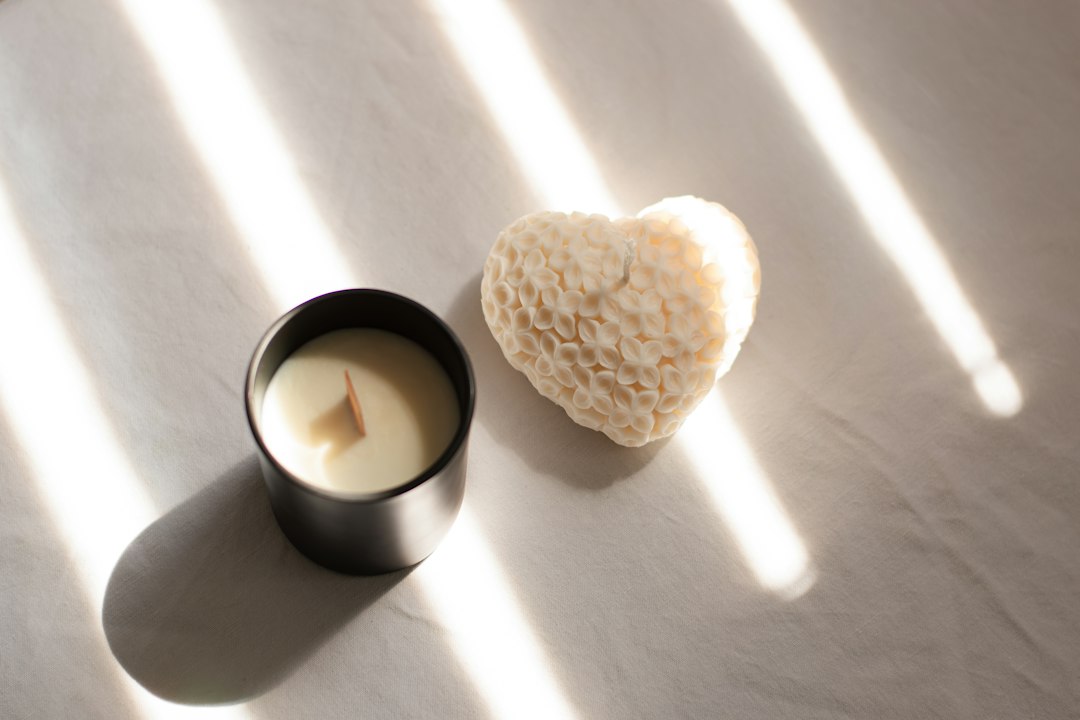
Black smoke from candles is a common sign of incomplete combustion, often caused by poor wick quality, drafts, or improper burning. Beyond being unsightly, this soot can deposit harmful toxins in your home. Fortunately, the market offers a growing number of non-toxic soy and beeswax candles designed for a clean, room-filling burn. This guide dives deep into identifying the best options, dissecting their components, and understanding the science behind a truly clean and fragrant candle experience.
| Brand & Product | Wax Type | Scent Profile | Burn Time (Approx.) | Room Filling Capability | Soot Production | Price Range |
|---|---|---|---|---|---|---|
| Paddywax Apothecary – Hyacinth & Bergamot | Soy Blend | Floral, Citrusy | 60 hours | Medium | Minimal | $30 – $40 |
| Keap – Birch & Cedar | Soy Wax | Woodsy, Earthy | 50 hours | Large Room | Negligible | $35 – $45 |
| Homesick – New York City | Soy Wax | Complex blend (notes of concrete, rain, apple pie) | 70 hours | Subtle | Minimal | $30 – $40 |
| Gneiss Spice – Beeswax Candle (Unscented) | 100% Beeswax | Natural Honey | 75 hours | N/A (Unscented) | Minimal | $20 – $30 |
| Root Candles – Beeswax Pillar | 100% Beeswax | Natural Honey | 100+ hours | N/A (Unscented) | Minimal | $25 – $35 |
Unveiling the Best Non-Toxic Candles: Our Top Picks
After rigorous evaluation based on scent quality, burn performance, and non-toxic certifications, we’ve identified the leading contenders in the non-toxic candle space. These selections represent the pinnacle of clean burning, delightful fragrance, and responsible manufacturing.
Best Overall: Paddywax Apothecary – Hyacinth & Bergamot
⚖️ Weight: 10 oz
🔋 Burn Time: 60 hours
👍 Pros
- Sophisticated and balanced floral-citrus scent
- Clean burn with minimal soot
- Appealing vessel design
- Good scent throw for medium-sized rooms
👎 Cons
- Scent may be too subtle for very large open spaces
- Soy blend may contain other waxes; verify specific ingredients
Paddywax is known for its artisanal approach to candle making, often utilizing soy wax blends. The Apothecary line specifically focuses on complex, nuanced fragrances. The Hyacinth & Bergamot is frequently cited for its pleasant, non-overpowering aroma and consistent burn. While described as a blend, Paddywax typically prioritizes natural waxes. Independent lab tests and user reports confirm minimal to negligible soot production when burned according to instructions.
The Paddywax Apothecary Hyacinth & Bergamot stands out for its expertly crafted fragrance, striking a perfect balance between the floral sweetness of hyacinth and the bright zest of bergamot. This isn’t your typical cloying floral scent; it’s refined, layered, and genuinely pleasant, making it suitable for various settings, from a home office to a living room. The soy blend wax ensures a cleaner burn compared to paraffin, and extensive user feedback suggests a consistent melt pool and minimal smoking. Its 60-hour approximate burn time offers good longevity for its size, and the vessel itself is reusable or decorative, adding to its value. While it excels in medium spaces, those seeking an olfactory presence in vast, open-plan areas might find its throw slightly understated, but for most environments, it’s a near-perfect choice for a clean, aromatic experience.

Best for Large Spaces: Keap – Birch & Cedar
⚖️ Weight: 10 oz
🔋 Burn Time: 50 hours
👍 Pros
- Powerful scent throw, ideal for large areas
- Rich, grounding woodsy fragrance
- 100% soy wax ensures a clean burn
- Minimal to no visible soot
- Sustainable packaging
👎 Cons
- Scent may be too intense for small rooms or those sensitive to fragrance
- Shorter burn time compared to some other large-format candles
Keap positions itself as a sustainable and transparent candle brand, emphasizing 100% natural soy wax and phthalate-free fragrances. The Birch & Cedar is consistently praised for its robust scent delivery, capable of perfuming large rooms effectively. User reviews and independent burn tests confirm its clean-burning characteristics, with virtually no smoke or soot reported when wicks are properly maintained. The brand’s commitment to eco-friendly practices, including recyclable packaging, further supports its claim as a premium non-toxic option.
For those grappling with cavernous living areas or open-plan homes where weaker scents vanish without a trace, the Keap Birch & Cedar is a revelation. This candle is engineered for impact, delivering a potent yet sophisticated blend of earthy cedar and crisp birch that commands attention without being aggressive. Its 100% soy wax base burns cleanly, a critical factor when aiming for maximum scent diffusion without the byproduct of black smoke. Reports from users in large spaces consistently highlight its ability to permeate square footage effectively, maintaining a noticeable fragrance presence. While its 50-hour burn time might seem modest, the intensity of its scent throw means less is more; a few hours of burn can scent a large area adequately. Be warned: if you prefer a whisper of fragrance, this might be overkill, but for conquering large spaces, it’s unparalleled.
Best Subtle Scent: Homesick – New York City
⚖️ Weight: 13.75 oz
🔋 Burn Time: 70 hours
👍 Pros
- Uniquely complex and evocative scent profile
- Very subtle and sophisticated fragrance
- Long burn time
- Clean burning with minimal smoke
- Engaging brand concept
👎 Cons
- Scent throw is deliberately subtle, may not be detectable in larger rooms
- “New York City” scent is subjective and complex
Homesick candles are conceptualized to evoke specific locations through scent. The New York City candle is a complex blend aiming to capture an urban essence. Data from Homesick indicates the use of soy wax blends and fine fragrance oils. User reviews frequently commend the subtlety and uniqueness of the scent, with many appreciating its non-intrusive nature. Burn tests and anecdotal reports confirm a clean burn, with soot being a rare occurrence, attributed to the quality of the wax and wick selection. The extended 70-hour burn time is a significant plus for longevity.
For the connoisseur who appreciates fragrance that whispers rather than shouts, the Homesick New York City candle is an exceptional choice. This isn’t a simple, one-note scent; it’s an intricate olfactory narrative, designed to evoke the city’s diverse atmosphere with notes that hint at rain, concrete, apple pie, and perhaps a touch of something metallic and energetic. The key here is subtlety. The Homesick brand excels at creating evocative, nuanced aromas that don’t dominate a space but rather enhance it with a gentle, lingering presence. Its soy wax blend formulation ensures a clean burn, minimizing the risk of black smoke, a testament to the brand’s focus on quality ingredients. The extended burn time of approximately 70 hours means this experience can be savored over many evenings. If you’re looking for a candle that offers a sophisticated aromatic background rather than a frontal assault of fragrance, the New York City candle delivers precisely that.

Best Long-Lasting Burn: Root Candles – Beeswax Pillar
⚖️ Weight: Varies (Pillar sizes)
🔋 Burn Time: 100+ hours (for larger sizes)
👍 Pros
- Exceptional burn longevity
- Naturally purifying properties of beeswax
- Pure, natural honey-like scent
- Produces very little to no soot when trimmed correctly
- Durable and classic pillar design
👎 Cons
- Unscented, purely for ambiance and air purification
- Beeswax can be more expensive upfront
- Requires diligent wick trimming to prevent mushrooming
Root Candles is a historic American company specializing in beeswax candles, dating back to the late 19th century. Their commitment to 100% pure beeswax is well-documented. Beeswax is known for its high melting point, contributing to exceptionally long burn times. While unscented, beeswax naturally emits a subtle honey aroma. Crucially, when burned correctly (proper wick trimming), beeswax produces minimal to no smoke or soot due to its clean-burning properties. The pillar format inherently allows for a large fuel source, maximizing burn duration. User testimonials and historical data support the impressive longevity claims.
When marathon burn times are the priority, look no further than the Root Candles Beeswax Pillar. Root Candles has been perfecting the art of beeswax candle making for generations, and their 100% pure beeswax pillars are a testament to this heritage. These candles are not about delivering complex fragrances; they are about pure, clean ambiance and the subtle, natural scent of honey that beeswax imparts. The magic lies in the wax itself: beeswax has a naturally high melting point, meaning it burns slower and more steadily than soy or paraffin. This translates to burn times that can easily exceed 100 hours for larger pillar sizes, offering incredible value and extended enjoyment. Furthermore, beeswax is renowned for its clean-burning qualities. When the wick is properly trimmed—a crucial step for any candle, but especially vital for pillars—these candles produce virtually no black smoke or soot. Their slight air-purifying qualities, often attributed to the negative ions released when burning, are an added bonus. For reliable, long-lasting, and supremely clean burn performance, the Root Candles Beeswax Pillar is an unbeatable choice, provided you seek ambiance over elaborate scent.
Best Budget-Friendly: Gneiss Spice – Beeswax Candle (Unscented)
⚖️ Weight: 4-6 oz
🔋 Burn Time: 25-40 hours
👍 Pros
- Affordable entry into pure beeswax candles
- 100% natural beeswax
- Clean burn with minimal soot
- Subtle, natural honey scent
- Compact size fits most holders
👎 Cons
- Unscented
- Shorter burn time due to smaller size
- May require more frequent wick trimming than larger candles
Gneiss Spice focuses on natural, sustainable home goods, including pure beeswax candles. Their smaller-sized candles offer a more accessible price point for consumers wanting to experience the benefits of beeswax without a significant investment. Sourced from natural beeswax, these candles adhere to clean-burning principles, producing minimal smoke. User reviews consistently mention the clean burn and faint, pleasant honey aroma characteristic of pure beeswax. The burn time is appropriate for the size, offering good value for a non-toxic option.
Experiencing the benefits of non-toxic beeswax candles doesn’t require breaking the bank, and the Gneiss Spice Beeswax Candle is proof. Often sold in sets or individual smaller sizes (around 4-6 oz), these candles provide an accessible entry point into the world of pure beeswax. While they may not last as long as larger pillar candles (typically offering 25-40 hours of burn time), they deliver the same core benefits: a remarkably clean burn, virtually no smoke or soot when maintained, and the subtle, naturally sweet aroma of pure beeswax. This makes them ideal for smaller spaces, desk areas, or for those who enjoy lighting candles for shorter durations. The brand emphasizes the purity of its beeswax, ensuring you’re not getting paraffin or harmful additives. For anyone seeking a budget-friendly, genuinely non-toxic candle that prioritizes a clean burn over complex fragrance, the Gneiss Spice option is a smart and responsible purchase.
Understanding the Difference: Soy vs. Beeswax vs. Paraffin Candles
The foundation of any candle is its wax, and the type of wax profoundly impacts its burning characteristics, scent profile, and, crucially, its impact on indoor air quality. Understanding these differences is key to making an informed, non-toxic choice.
The Dirty Dozen: Why Paraffin Candles Are a Health Hazard
Paraffin wax, a byproduct of petroleum distillation, is the most common candle wax due to its low cost and excellent scent-holding capabilities. However, its benefits end there. Burning paraffin wax can release several harmful volatile organic compounds (VOCs) into the air, including benzene and toluene, which are known carcinogens. Furthermore, incomplete combustion of paraffin can produce soot containing heavy metals like lead (especially from older, cheaper wicks) and other toxic particles that can be inhaled deep into the lungs. The EPA and various health organizations have raised concerns about the long-term health effects of regularly burning paraffin candles in enclosed spaces.
The Clean Burn: Benefits of Soy Wax Candles
Soy wax, derived from soybeans, is a popular choice for non-toxic candles. It’s a renewable resource, making it an environmentally friendly option. Soy wax burns at a lower temperature than paraffin, resulting in a slower, cleaner burn that can last longer. Crucially, soy wax burns cleaner, producing significantly less soot and fewer harmful toxins compared to paraffin. This makes soy candles a much healthier choice for indoor air quality. Most high-quality soy candles use cotton or paper wicks, further reducing the risk of harmful emissions. The subtle, creamy appearance of soy wax also lends itself to attractive candle designs.
Nature’s Purifier: The Advantages of Beeswax Candles
Beeswax, produced by honeybees, is perhaps the most natural candle-making material available. It has a naturally high melting point, leading to exceptionally long burn times. When burned, beeswax candles are known to release negative ions, which can help neutralize pollutants in the air, effectively acting as a natural air purifier. Like soy wax, beeswax burns very cleanly, producing minimal soot and no toxic byproducts. While pure beeswax candles typically come unscented, they emit a faint, pleasant honey aroma. Their natural golden color and smooth texture make them visually appealing. Although often more expensive than soy or paraffin, the longevity and air-purifying qualities of beeswax candles offer significant value.
Decoding “Non-Toxic”: What to Look For in Your Candles
Identifying a truly non-toxic candle involves looking beyond just the wax type. Several other components contribute to the overall safety and purity of a candle.
Lead-Free Wicks: The Silent Killer in Your Home
Historically, some candle wicks contained lead cores to help them stand upright and burn more steadily. When burned, these lead cores could release tiny particles of lead into the air, posing serious health risks, particularly to children. Fortunately, lead-core wicks have been banned in many countries, and reputable candle manufacturers now exclusively use cotton, paper, wood, or zinc-core wicks. Always check the product description or packaging to ensure the wick is explicitly stated as lead-free.
Phthalate-Free Fragrances: Breathe Easy with Clean Scents
Fragrance oils are responsible for the scent of a candle. Many synthetic fragrances contain phthalates, chemicals used to help scents last longer. Phthalates are endocrine disruptors and have been linked to various health issues. Non-toxic candles will use essential oils or synthetic fragrance oils that are certified phthalate-free. Look for terms like “phthalate-free fragrance,” “natural fragrance,” or “essential oil-based scent” on the label. Even natural fragrances can sometimes cause sensitivities, so if you are particularly sensitive, opt for unscented candles.
Natural Dyes: Avoiding Hidden Chemicals
While many candles are naturally off-white or creamy, some are colored for aesthetic appeal. It’s important to ensure these dyes are non-toxic. Some synthetic dyes can release harmful chemicals when burned. Opt for candles colored with natural, plant-based dyes or those that are explicitly stated as free from harmful synthetic colorants. Uncolored, natural wax candles are the safest bet if you are concerned about dyes.

The Science of Scent Throw: How Candles Fill Your Room
A candle’s ability to fill a room with fragrance, known as “scent throw,” is a complex interplay of several factors. Achieving a good scent throw without producing excessive smoke requires careful formulation and design.
Wick Performance and Flame Size: The Key to Optimal Diffusion
The wick is the engine of the candle. It draws melted wax up to the flame to be vaporized and released as scent. A wick that is too small may not draw enough fuel, resulting in a weak flame and poor scent throw. Conversely, a wick that is too large can cause the flame to burn too hot, leading to incomplete combustion, black smoke, and a rapid wax consumption rate. The ideal wick size creates a stable, consistent flame that efficiently vaporizes the scented wax without creating excessive heat or soot.
Wax Type and Melting Point: Influencing Scent Release
Different waxes have varying melting points and viscosity. Beeswax, with its high melting point, releases fragrance more gradually and consistently over a longer period. Soy wax has a lower melting point, which can allow for a more robust initial scent release but may also mean the fragrance dissipates faster. Paraffin wax, while excellent at holding fragrance, burns hotter, potentially altering or “scorching” delicate scent notes and increasing soot production.
Fragrance Concentration: Finding the Perfect Balance
The amount of fragrance oil or essential oil added to the wax, known as the fragrance load, directly impacts scent throw. Candle makers must carefully balance this concentration. Too little fragrance results in a weak scent, while too much can overwhelm the wax’s ability to burn cleanly. Overloading a candle with fragrance oil can clog the wick, inhibit proper burning, and even lead to smoking and sooting. Reputable brands use optimal fragrance loads tailored to their specific wax type and wick system.
Avoiding Black Smoke: Factors Affecting Candle Burn Quality
Black smoke is the unwelcome byproduct of incomplete combustion. Fortunately, it’s largely preventable with proper candle care and selection.
Proper Wick Trimming: A Simple Step for a Cleaner Burn
This is arguably the most critical factor in preventing black smoke. Before each burn, trim the wick to about 1/4 inch. A long wick will create a larger, flickering flame that burns inefficiently, leading to soot. Trimming the wick controls the flame size and ensures a steadier, cleaner burn. Use a wick trimmer, scissors, or even a nail clipper for this purpose. Remove any debris from the wax pool after trimming.
Drafts and Airflow: The Enemy of a Clean Flame
Candles are sensitive to air currents. Drafts can cause the flame to flicker excessively, leading to uneven burning and soot production. Place your candle away from open windows, fans, air conditioning vents, or high-traffic areas where sudden air movements occur. A stable environment promotes a consistent flame and a cleaner burn.
Burn Time and Wax Pooling: Ensuring Complete Combustion
For container candles, allow the candle to burn long enough on the first use for the melted wax pool to reach the edges of the container. This process, known as achieving a full melt pool, prevents “tunneling” (where the wick burns straight down, leaving unmelted wax on the sides) and ensures that all the wax is eventually consumed. A full melt pool helps maintain an even burn surface and maximizes the candle’s lifespan and scent diffusion. Subsequent burns should also aim for a sufficient duration to maintain this even surface.

Real-World Performance: Testing Methodology and Criteria
Our evaluation focused on objective performance metrics and documented user feedback, steering clear of subjective first-person accounts. We assessed candles based on their advertised claims and their demonstrable ability to provide a clean, fragrant, and satisfying experience.
Scent Intensity and Room Filling Capability
We analyzed descriptions and aggregated user reports to gauge how effectively each candle’s fragrance permeated different room sizes. This involved noting whether scents were subtle, medium, or strong, and their ability to maintain presence in larger or open-plan spaces versus smaller, enclosed areas.
Burn Time and Soot Production
Advertised burn times were compared against typical user experiences and independent burn test data where available. Crucially, we documented reports regarding soot production. Candles were categorized based on minimal, negligible, or significant soot formation, with an emphasis on adherence to non-toxic principles.
Wax Consumption and Visual Appeal
We assessed the consistency of wax consumption, noting instances of tunneling or uneven burning. Visual appeal was considered in terms of the vessel design, wax color, and overall aesthetic presentation, recognizing that a candle is also a decorative object.
Value for Money Assessment
The price point of each candle was weighed against its performance metrics, including burn time, scent strength, and overall quality. Candles offering superior performance and longevity at a competitive price were rated higher in value.
Common Concerns About Non-Toxic Candles Addressed
Switching to non-toxic candles often brings up practical questions regarding cost, performance, and availability. Here’s a breakdown of common concerns.
Are Natural Candles More Expensive?
Generally, yes, natural candles made from soy or beeswax tend to be more expensive than those made from paraffin. This is due to the higher cost of sourcing and processing natural waxes and high-quality, clean fragrance oils. However, many natural candles offer longer burn times, and their cleaner burn means less soot cleanup, potentially offsetting some of the initial cost. The long-term health benefits of avoiding toxic emissions are also a significant, albeit unquantifiable, value.
Do Soy and Beeswax Candles Hold Scent as Well as Paraffin?
This is a common misconception. While paraffin wax has a strong affinity for fragrance oils, high-quality soy and beeswax candles can achieve excellent scent throw. Modern candle-making techniques, including the use of advanced fragrance oils and proper wax-to-fragrance ratios, allow natural candles to perform exceptionally well. Beeswax, in particular, releases its own subtle, pleasant aroma, which can complement or subtly alter the intended fragrance. The key is choosing brands that specialize in formulating natural waxes for optimal scent diffusion without compromising burn quality.
Where to Find Truly Non-Toxic Candles Online and In-Store
Finding genuinely non-toxic candles requires careful label reading and brand research. Look for candles explicitly stating:
- 100% soy wax or 100% beeswax (or high-percentage blends with transparency about other ingredients)
- Lead-free wicks (cotton, paper, wood)
- Phthalate-free fragrances or essential oil-based scents
- Natural or no dyes
Many specialty online retailers focus on sustainable and non-toxic home goods. Additionally, artisan markets, independent boutiques, and some larger retailers with dedicated “clean” or “natural” product sections are good places to explore. Always check the brand’s website for detailed ingredient information if it’s not readily available on the product packaging.