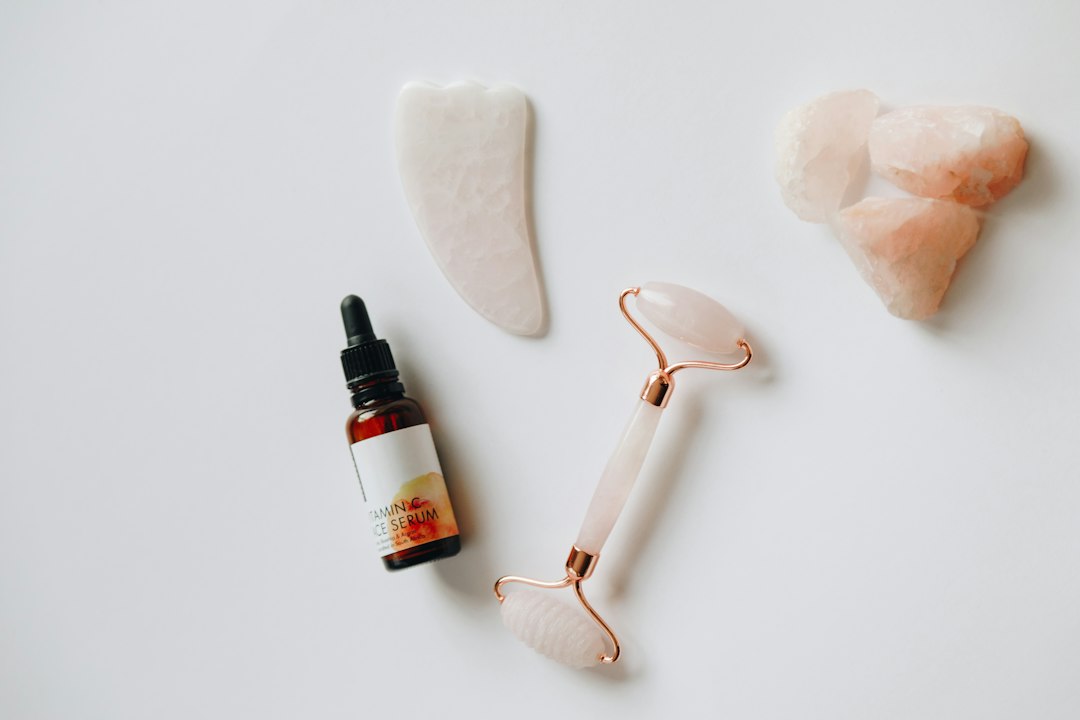
🧰 Tools & Gear You’ll Need
- A high-quality botanical facial oil tailored to your skin type
- A clean, well-shaped gua sha tool (jade, rose quartz, amethyst, or stainless steel)
- A clean, well-lit space to perform the ritual
- Optional: A gentle cleanser and moisturizer
Understanding the Synergy: Botanical Oils and Gua Sha for Lymphatic Drainage
In the relentless pursuit of radiant, healthy skin, the year 2026 presents a sophisticated fusion of ancient wisdom and modern skincare science. Forget fleeting trends; the enduring power lies in understanding the profound synergy between nutrient-dense botanical facial oils and the targeted, therapeutic movements of gua sha. This isn’t just about superficial beauty; it’s a deep dive into enhancing your skin’s innate vitality through intelligent lymphatic drainage. This guide will equip you, the discerning skincare practitioner, with the battlefield-tested knowledge to wield these tools effectively, transforming your daily ritual into a potent act of facial rejuvenation.
The Power of Botanical Oils: Nourishing Your Skin from Within
Botanical facial oils are the liquid gold of skincare. Unlike conventional lotions or creams that often rely on emulsifiers and water, pure oils are concentrated elixirs packed with essential fatty acids, vitamins, antioxidants, and phytonutrients. These powerful compounds work synergistically to fortify the skin’s natural barrier, locking in moisture, combating free radical damage, and promoting cellular repair. In 2026, the focus has shifted from merely ‘moisturizing’ to ‘skin nourishment’ – providing the fundamental building blocks for resilience, elasticity, and that coveted lit-from-within glow. When selected wisely, these oils don’t just sit on the skin; they penetrate, offering targeted benefits from the cellular level upwards.
Gua Sha: Ancient Technique for Modern Lymphatic Flow
Hailing from Traditional Chinese Medicine, gua sha is far more than a trendy facial massage. It’s a therapeutic technique involving the repeated stroking of the skin with a smooth-edged instrument to relieve stagnation and encourage the flow of vital energy (qi) and blood. On the face, this translates directly to stimulating the lymphatic system. The lymphatic system is a crucial, yet often overlooked, network responsible for removing waste products, toxins, and excess fluid from tissues. By using the gua sha tool with precise movements, we can manually guide lymphatic fluid towards the lymph nodes, alleviating puffiness, reducing inflammation, and revealing a more sculpted, vibrant facial contour.
The Lymphatic System: Why Drainage Matters for Facial Health
Think of your lymphatic system as your body’s internal drainage and detoxification service. Unlike the circulatory system, it lacks a central pump; its flow relies on muscle movement, breathing, and, crucially, external manual stimulation. When lymphatic flow is sluggish, toxins and fluid can accumulate, leading to puffiness (especially under the eyes and along the jawline), dullness, congestion, and even breakouts. For the face, compromised lymphatic drainage can significantly detract from its natural definition and clarity. By actively promoting lymphatic drainage through gua sha, we not only enhance immediate appearance by reducing puffiness but also contribute to long-term skin health by improving nutrient delivery and waste removal at a cellular level.
Selecting Your Botanical Facial Oil: A 2026 Buyer’s Guide
The efficacy of your gua sha ritual is amplified exponentially by the quality and suitability of your chosen botanical oil. In 2026, the market is saturated, making informed selection paramount. This isn’t about following hype; it’s about strategic procurement based on your unique physiological landscape.
Identifying Your Skin Type and Needs
Before even glancing at a product label, conduct a brutally honest assessment of your skin. Is it perpetually dry, tight, and flaky? That’s your cue for deeply emollient oils. Does it tend to get shiny, break out easily, or feel congested? Look for lighter, non-comedogenic options. Sensitive skin requires calming, anti-inflammatory ingredients, while mature skin benefits from oils rich in antioxidants and regenerative compounds. Consider environmental factors too: city living might demand more pollution-fighting antioxidants, while drier climates necessitate superior barrier support.
Key Botanical Ingredients to Look For (e.g., Rosehip, Frankincense, Squalane)
Rosehip Seed Oil: A powerhouse for regeneration and repair, rich in essential fatty acids (Omega-3 and Omega-6) and Vitamin A (retinoic acid). Excellent for scars, fine lines, and overall skin renewal. A non-negotiable for anti-aging protocols.
Frankincense Oil: Renowned for its potent anti-inflammatory and skin-tightening properties. It helps to reduce the appearance of wrinkles and blemishes, promoting a smoother, more even complexion. It also possesses astringent qualities beneficial for toning.
Squalane (Olive-derived): A stable, highly compatible lipid that mimics the skin’s natural sebum. It provides exceptional hydration without greasiness or clogging pores, making it ideal for almost all skin types, especially those prone to acne or sensitivity.
Sea Buckthorn Oil: Packed with Omegas 3, 6, 7, and 9, plus vitamins A, C, and E. Fantastic for healing, reducing redness, and protecting the skin barrier. Use sparingly as it’s intensely colored.
Jojoba Oil: Technically a liquid wax, it closely resembles human sebum, offering excellent balance for oily and combination skin while still providing moisture for dry types. It’s non-comedogenic and anti-inflammatory.
Argan Oil: Rich in Vitamin E and essential fatty acids, it moisturizes, protects, and improves skin elasticity. A great all-rounder.
Top Recommended Botanical Facial Oils for Lymphatic Drainage (2026)
Navigating the 2026 market requires discernment. Based on efficacy for lymphatic drainage support and overall skin health, these stand out:

Best for Anti-Aging: Biossance Squalane + Rosehip Elderberry Eye Gel (While marketed for eyes, its blend is superb for facial lymphatic strokes, emphasizing repair and firmness)
This formulation expertly combines the deeply hydrating and skin-identical Squalane with the regenerative power of Rosehip Seed Oil. The addition of Elderberry provides antioxidant protection, crucial for combating environmental stressors that accelerate aging. Its texture offers excellent glide, making it perfect for targeted anti-aging gua sha movements aimed at lifting and firming.
Best for Hydration: Kora Organics Noni Glow Face Oil
A cult favorite for a reason, this oil features Noni extract, Rosehip, and Seed oils like Sunflower and Papaya. It delivers intense, lasting hydration without feeling heavy, replenishing the skin’s moisture barrier. The rich antioxidant profile further supports skin health, making it ideal for dry or dehydrated complexions seeking a plump, dewy finish through facilitated drainage.
Best for Sensitive Skin: Pai Skincare Rosehip BioRegenerate Oil
Pai is renowned for its commitment to sensitive and reactive skin. This 100% organic Rosehip oil is cold-pressed to preserve its potent profile of Omega fatty acids and antioxidants. It’s incredibly soothing, helps to reduce redness, and promotes healing and regeneration. Its pure formulation minimizes the risk of irritation, allowing sensitive skin to benefit from the lymphatic drainage process safely.
The Art of Application: Step-by-Step Gua Sha for Lymphatic Drainage
Mastering gua sha requires precision, intention, and a deep understanding of facial anatomy. This is where the ‘hands-on’ part of our directive truly kicks in. Forget aggressive scraping; think gentle, intentional pressure guiding fluid.
Preparing Your Skin and Tools
Cleanse your face thoroughly to remove makeup, dirt, and oil. This ensures a clean canvas and prevents trapping impurities during the massage. Ensure your gua sha tool is impeccably clean. Wash it with soap and water or a gentle cleanser, and dry it completely. Apply your chosen botanical facial oil generously to your entire face, neck, and décolletage. This is non-negotiable; the oil provides the necessary slip for the tool to move freely across the skin without friction or pulling.

Essential Gua Sha Strokes for Facial Lymphatic Drainage
Remember: always work from the center of the face outwards and downwards towards the lymph nodes located at the base of the neck and behind the ears. Use the tool with the flatter, curved edges. Maintain a consistent, gentle pressure – imagine you’re gently coaxing fluid, not scrubbing a stubborn stain. Hold the tool at a shallow angle (around 15-30 degrees) to the skin.
Neck and Jawline Drainage Techniques
Start by sweeping downwards along the sides of your neck, from behind the ear towards the collarbone. Repeat 5-10 times on each side. Then, using the curved edge of your tool, place it at the center of your chin and glide outwards along your jawline towards the ear, and then continue down the side of the neck to the collarbone. Repeat 5-10 times per side. This path directs fluid accumulated in the lower face away.
Clear the Neck Lymphatics
Begin with gentle downward strokes along the sides of the neck, from behind the earlobe down to the clavicle. Use the longest, straightest edge of your gua sha tool. Repeat 5-10 times on each side. This primes the drainage pathways.
Sculpt the Jawline
Place the gua sha tool at the center of your chin. Glide firmly but gently outwards along the jawbone towards the base of the ear. Once at the ear, sweep downwards along the neck towards the collarbone. Repeat 5-10 times per side.
Cheek and Under-Eye Contour Strokes
For the cheeks, place the tool flat against your skin starting from the side of your nose. Glide upwards and outwards towards your hairline, just below the cheekbone. Repeat 5-10 times. Then, move to the area under the eye. Using the very tip or a subtle curve of your tool, gently sweep from the inner corner of the eye outwards towards your temple. Be extremely delicate here. Repeat 5-10 times.
Lift the Cheeks
Position the gua sha tool at the side of your nose, where your nasolabial fold begins. Glide upwards and outwards along the contour of your cheekbone towards your ear. Ensure the tool stays flat against the skin, moving towards the hairline. Repeat 5-10 times.
Soothe Under the Eyes
Use the smaller curve or the edge of your gua sha tool. Starting from the inner corner of the under-eye area (near the nose), make very gentle, short strokes outwards towards your temple. The pressure here should be minimal – think of tracing the bone structure. Repeat 5-10 times.

Forehead and Brow Lift Movements
For the forehead, start at the center above your eyebrows. Glide outwards towards your temple. Repeat this across the forehead, moving upwards towards the hairline. Then, use the tool to gently lift the brow area by sweeping from the bridge of the nose upwards along the brow bone towards the hairline. Finally, make sweeping motions across the entire forehead, directing the fluid towards the temples and then down the sides of the neck.
Smooth the Forehead
Begin at the center of your forehead, just above your eyebrows. Glide the tool outwards towards your hairline and temple. Repeat this stroke across the entire forehead, moving in parallel lines upwards towards the hairline. Always finish by sweeping down the side of the neck.
Lift the Brows
Use the curved edge of the tool. Place it at the top of the bridge of your nose. Sweep upwards and outwards along the brow bone towards your temple. Repeat 5-10 times, focusing on lifting the brow arch.
Integrating Botanical Oil for Optimal Glide and Efficacy
The oil is your lubricant and your delivery system. Apply a sufficient amount before starting each gua sha session. If at any point the tool begins to drag or catch, it means you need more oil. Reapply as needed. The oil not only facilitates smooth movement but also allows the beneficial ingredients within the botanical oil to be absorbed more effectively as they are massaged into the skin, enhancing the overall nourishing and restorative effects.
Frequency and Best Practices for Consistent Results
Consistency is the bedrock of achieving lasting results with gua sha and botanical oils. Sporadic efforts yield minimal returns. Here’s how to integrate this practice into your life for maximum benefit.
How Often Should You Practice Gua Sha Lymphatic Drainage?
For visible results and consistent lymphatic flow, aim for 3-5 times per week. Daily practice is also beneficial, especially if you have concerns like puffiness or congestion. However, always listen to your skin. If you notice any irritation or sensitivity, reduce the frequency. Even 1-2 times a week can make a difference if performed consistently.
Common Mistakes to Avoid
Over-pressure: As mentioned, too much force can cause bruising or broken capillaries.
Tugging the skin: Ensure enough oil is used so the tool glides smoothly.
Using the wrong edge: Most facial gua sha uses the flatter, curved edges, not sharp corners.
Not cleaning tools: Bacteria buildup can lead to breakouts.
Ignoring the neck: The neck is a critical drainage pathway; don’t skip it.
Using on active breakouts or inflamed skin: This can spread bacteria and worsen inflammation. Wait until the skin is calm.
Listening to Your Skin: Adjusting Your Routine
Your skin’s needs can change daily based on diet, sleep, stress, and environment. Pay attention. If your skin feels particularly sensitive, opt for lighter oil and gentler strokes, or skip the gua sha for a day. If you’re feeling congested or notice increased puffiness, a more focused gua sha session might be beneficial. The routine should serve you, not the other way around.
Troubleshooting and Advanced Techniques
As you become more adept, you might encounter specific concerns or wish to deepen your practice. Gua sha offers solutions and avenues for refinement.
Addressing Puffiness and Congestion
Persistent puffiness, particularly under the eyes or along the jaw, often indicates lymphatic stagnation. Focus your gua sha strokes downwards along the neck and jawline more frequently. For under-eye puffiness, use extremely light pressure and sweep outwards towards the temples. Gentle, rhythmic strokes are key. For facial congestion, ensure you are using non-comedogenic oils and consider incorporating strokes that encourage circulation across the cheeks and forehead.
Enhancing Circulation and Radiance
To boost circulation and achieve that sought-after glow, incorporate slightly firmer (but still safe) upward and outward strokes on the cheeks and forehead. Combining gua sha with breathwork can also amplify results. Take deep inhales while applying the oil and perform your strokes on the exhale. This mindful connection enhances vitality and relaxation.

Combining Gua Sha with Other Skincare Rituals
Gua sha is a powerful standalone practice, but it can be enhanced. Consider incorporating it after a gentle facial exfoliation (but not immediately after harsh treatments) to help manual exfoliation products work more effectively. Some practitioners enjoy doing gua sha as part of their evening routine to de-stress and prepare the skin for overnight repair, or in the morning to instantly refresh and de-puff before makeup application.
Real-World Results: What to Expect from Your Botanical Oil and Gua Sha Practice
The transformation isn’t solely in the immediate de-puffing; it’s a cumulative effect on skin health and facial contouring. Understanding the potential outcomes helps maintain motivation and realistic expectations.
Before and After: Visualizing the Transformation
Consistent practice typically yields a noticeable reduction in facial puffiness, particularly around the jawline, under-eyes, and cheeks. The facial contours appear more defined and sculpted. Skin tone often becomes more even, with a reduction in redness and inflammation. Over time, fine lines may appear softened due to improved circulation and cellular turnover. The overall complexion gains a brighter, healthier, more ‘awake’ appearance – the hallmark of well-functioning lymphatic drainage and nourished skin.
Testimonials from the 2026 Skincare Community
“After three weeks of doing gua sha with Rosehip oil 4 times a week, the constant puffiness under my eyes has dramatically reduced. My jawline looks so much sharper now!” – Anya, 32, Urban Professional
“I was skeptical about facial oils, but the Pai Rosehip oil combined with gua sha has calmed my sensitive, rosacea-prone skin like nothing else. The redness is down, and my skin feels so much healthier.” – Ben, 45, Teacher
“It’s become my non-negotiable morning ritual. The subtle lifting effect, combined with the glow from the oil, makes me feel put-together instantly. It’s like a mini face-lift without the needles.” – Chloe, 28, Creative Director