🧰 Tools & Gear You’ll Need
- Sharp pruning shears or floral snips
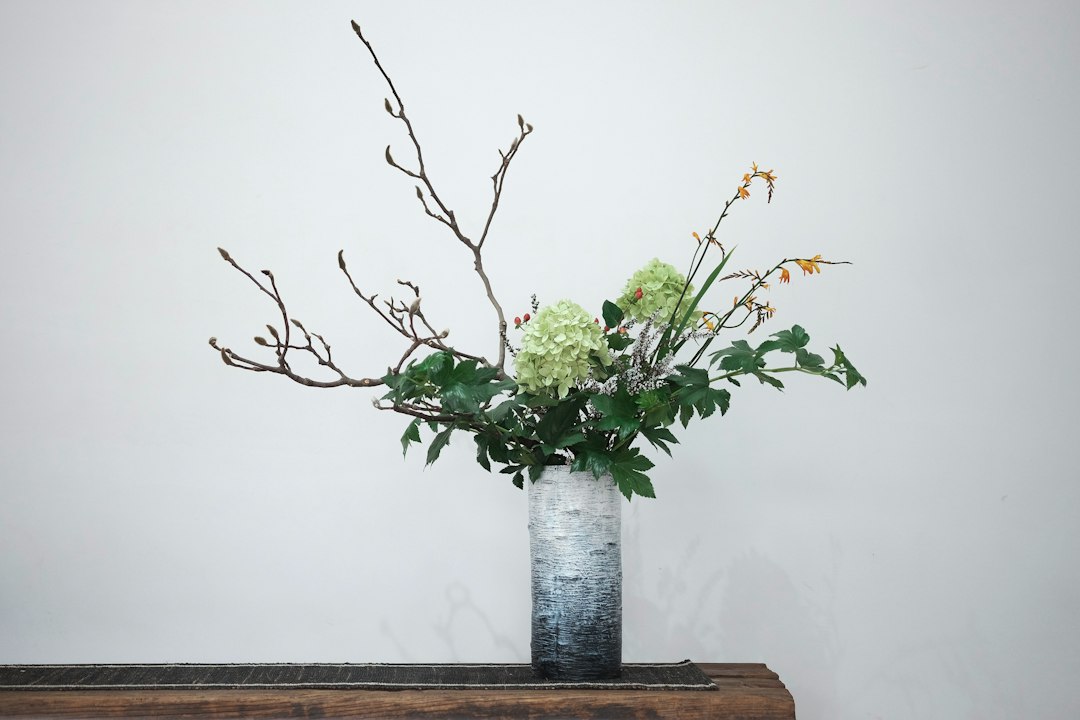
- A sturdy ceramic vase
- Water source
- Optional: Floral foam or wire for specific arrangements
- Optional: Leaf shine spray for faux branches (if applicable)
- A clear workspace
The Art of Intentionality: Why Botanical Branches Elevate Minimalist Spaces
In minimalist decor, every element serves a purpose, contributing to an overall sense of calm and order. Botanical branches, often overlooked in favor of flowers, offer a unique architectural beauty that perfectly complements this aesthetic. They bring a touch of nature indoors, adding organic form, texture, and seasonal interest without overwhelming the space. Unlike fleeting blooms, branches possess a quiet strength and longevity, making them ideal for the minimalist ethos of mindful consumption and enduring style. They speak of cycles, growth, and the raw beauty of the natural world, providing a grounding counterpoint to clean lines and uncluttered surfaces.

Selecting Your Seasonal Stars: Choosing the Right Botanical Branches for Your Ceramic Vase
The key to a successful minimalist arrangement lies in the thoughtful selection of branches. It’s not about abundance, but about intention. Each branch should be chosen for its form, texture, and suitability to the season. Consider the scale of your vase and the space it will inhabit. A single, dramatically sculptural branch can make a powerful statement, while a small cluster of delicate twigs might be more appropriate for a side table. Avoid overcrowding; the beauty of branches is often in their negative space and individual character.
Spring’s Fresh Start: Delicate Blossoms and Budding Twigs
Spring is a time of rebirth, and your branches should reflect that. Look for twigs that are just beginning to bud or those adorned with delicate, early blossoms like cherry, plum, or forsythia. These branches bring a sense of lightness and anticipation. Their subtle colors and fragile forms are perfect for lighter-toned ceramic vases. When choosing, inspect for healthy buds that promise future growth, even if they haven’t fully opened. The subtle swell of a bud is often more compelling in a minimalist setting than a fully blown flower.
Summer’s Lushness: Bold Foliage and Textured Stems
Summer arrangements call for branches with full, vibrant foliage or interesting textures. Think about branches with large, dramatic leaves, seed pods, or interesting bark patterns. Eucalyptus, birch, or even sturdy dogwood branches can work beautifully. These lend a sense of abundance and vitality. The key here is to select branches that have a strong silhouette, even with leaves. A single, well-formed leafy branch can fill a space with a summery vibe more effectively than a whole bouquet of smaller elements.
Autumn’s Warmth: Rich Hues and Dried Natural Elements
As the seasons shift, so too should your branches. Autumn invites a palette of warm, earthy tones. Look for branches with berries, colorful dried leaves still attached, or those with striking, deep-hued bark. Maple, oak, or even dried ornamental grasses can bring the richness of fall indoors. These elements provide warmth and texture, creating a cozy ambiance. Consider branches that have a slightly more rugged or weathered appearance; they tell a story of the season’s transition.

Winter’s Structure: Stark Branches and Everlasting Greens
Winter is the season for appreciating form and structure. Bare branches, especially those with intricate patterns and interesting twists, become sculptural art pieces. Think birch, willow, or contorted hazel. Evergreens like pine, fir, or cedar can also be used sparingly to add a touch of enduring life and subtle fragrance. These elements create a sense of serene simplicity, highlighting the architectural beauty of nature when its energy is withdrawn. The starkness of winter branches can be incredibly dramatic against a clean, minimalist backdrop.
The Ceramic Canvas: Selecting the Perfect Vase for Your Botanical Statement
The vase is more than just a container; it’s an integral part of the minimalist composition. Its shape, texture, and color play a crucial role in supporting and enhancing the natural beauty of the branches. For a truly minimalist look, understated ceramic vases are often the best choice, allowing the branches to take center stage.
Form Follows Function: Vase Shapes That Complement Branches
The shape of your vase should harmonize with the form of your chosen branches. Tall, slender vases are ideal for long, upright branches, emphasizing their verticality. Wider-mouthed vases can accommodate branches with a more expansive reach or those arranged in a subtle cluster. Consider the natural flow of the branches: do they sweep upwards, cascade outwards, or stand stoically? Match the vase’s silhouette to these characteristics. A vase with a simple, clean line will prevent visual clutter, ensuring the branches remain the focal point.
Texture and Tone: How Vase Material Enhances Your Arrangement
Ceramic offers a vast range of textures and tones, each capable of influencing the overall mood of your arrangement. Matte finishes absorb light, creating a soft, grounding effect that is ideal for rustic or earthy branches. Glazed finishes, on the other hand, can add a subtle sheen or a pop of color, best suited for more polished or vibrant arrangements. Neutral tones—whites, grays, beiges, and blacks—are perennial favorites in minimalist design as they don’t compete with the natural elements. However, a single, bold-colored ceramic vase can also serve as a striking statement piece.

Size Matters: Balancing Vase Scale with Branch Volume
The ratio between vase size and branch volume is critical for achieving a balanced composition. A monumental vase can anchor a large space and hold substantial branches, creating a dramatic focal point. Conversely, a petite vase on a small table requires delicate twigs or a single, proportionally sized branch. A common mistake is using a vase that is too small for the branches, making the arrangement look top-heavy and unstable. Alternatively, a vase that is too large can dwarf the branches, diminishing their impact. Aim for a visual weight that feels grounded and proportionate.
The Arrangement Process: Step-by-Step Guide to Minimalist Botanical Design
Arranging branches in a minimalist style is an exercise in restraint and thoughtful placement. It’s about creating a composition that feels intentional and harmonious, often emphasizing negative space.
Preparation is Key: Cleaning Branches and Trimming Stems
Begin by inspecting your branches. Remove any dead leaves, debris, or unwanted smaller twigs. If using fresh branches, trim the stems at an angle with sharp shears to maximize water uptake. For dried branches, a gentle brushing may suffice. Ensure your vase is clean and free of dust or residue. Fill the vase about two-thirds full with fresh, cool water if using fresh branches. For dried arrangements, water is not needed.
The Foundation: Creating Stability and Structure in the Vase
If using fresh branches, the water itself provides a foundation. For dried branches, you might need to create stability. A small amount of floral foam at the bottom, or even strategically placed pebbles or sand, can help hold stems in place. Ensure the base is secure before proceeding, especially with taller arrangements.
Negative Space as Design: Embracing Emptiness for Impact
Minimalism thrives on negative space – the empty areas that give elements room to breathe. Don’t feel the need to fill every available spot in the vase. Position your main branch(es) allowing ample space around them. This empty space directs the viewer’s eye and emphasizes the form of the branches, creating a sense of calm and sophistication.
Asymmetrical Balance: Achieving Harmony with Uneven Placement
While symmetry can be pleasing, asymmetrical balance often feels more dynamic and natural in minimalist design. Place your main branch slightly off-center. Then, introduce a secondary element—perhaps a shorter branch or a different textured piece—on the opposite side, but not necessarily at the same height or distance. The goal is to create a composition that feels balanced visually, even if it’s not perfectly mirrored.

The Art of the Single Stem: Less is More
For ultimate minimalism, consider a single, exceptionally beautiful branch. Choose one with a compelling shape, texture, or color. Place it in a simple, elegant vase. This approach makes a powerful statement about intention and focus, stripping away all non-essentials to highlight the inherent beauty of the natural form.
Grouping for Impact: Strategic Placement of Multiple Branches
If using more than one branch, group them strategically. Avoid placing them all at the same height or angle. Create a visual hierarchy: one dominant branch, supported by others that complement its form without competing. Think about how the branches interact with each other – do they create interesting silhouettes together? Rotate the arrangement as you place each piece to find the most pleasing composition from all angles.
Seasonal Styling: Adapting Your Arrangement Throughout 2026
Your branch arrangement can be a dynamic reflection of the year’s changing seasons, offering continuous natural beauty with minimal effort.
Spring Vignettes: Light, Airy, and Full of Promise
Embrace the season’s gentle awakening. Use delicate, budding twigs or branches with the first hints of pale green leaves. Pair them with light-colored ceramic vases – soft whites, pale blues, or muted pastels. The overall effect should be airy and optimistic, evoking the freshness of new beginnings. Keep the arrangements simple, perhaps just one or two main stems.
Summer Statements: Bold, Vibrant, and Evocative
Bring the lushness of summer indoors. Choose branches with full, deep green foliage or interesting, textured stems. Larger, wider vases in earthy tones or classic whites can provide a stable backdrop. Consider a single, dramatic branch with broad leaves or a small cluster of textured stems. The arrangement should feel full of life and energy, capturing the season’s vibrancy.
Autumn Ambiance: Earthy Tones and Cozy Textures
Transition to the warm hues of autumn. Incorporate branches with lingering leaves in shades of red, orange, and brown, or those adorned with berries or interesting seed pods. Rustic ceramic vases in terracotta, deep browns, or ochre work beautifully. These arrangements should evoke a sense of warmth, comfort, and the rich tapestry of the changing landscape.
Winter Wonders: Sculptural Forms and Serene Simplicity
As winter sets in, let the structure of bare branches shine. Stark, graphic silhouettes become the focus. Choose contorted branches, those with interesting twists, or elegant, bare stems. Pair them with minimalist ceramic vases in black, white, or charcoal gray. The arrangement should convey a sense of calm, quiet strength, and serene simplicity, celebrating the beauty of nature’s inherent forms.
Beyond the Basics: Advanced Techniques for a Polished Look
Incorporating Complementary Elements: Subtle Additions
While minimalism calls for restraint, subtle additions can elevate your arrangement. For fresh branches, a few carefully chosen blooms that echo the branch’s color or form can add a touch of refinement. For dried arrangements, consider pairing branches with dried grasses, seed pods, or pampas plumes. The key is to ensure these additions enhance, rather than detract from, the primary focus on the branches and maintain the minimalist aesthetic.
Maintaining Freshness and Longevity: Care Tips for Your Branches
For fresh botanical branches, regular water changes are crucial. Replace the water every 2-3 days, rinsing the vase and re-trimming the stems each time. Remove any leaves that fall below the waterline to prevent bacterial growth. Misting branches occasionally can help maintain freshness, especially in dry environments. For dried branches, simply dust them gently with a soft brush or a can of compressed air. Keep them away from direct sunlight and high humidity, which can cause fading or deterioration.
Troubleshooting Common Arrangement Challenges in Minimalist Design
Challenge: Branches look flimsy or unsupported.
Solution: Ensure your vase is appropriately scaled. For fresh branches, a narrower opening can help them stand more upright. For dried branches, use stabilizing materials like floral foam or pebbles at the base. Consider a branch with a stronger natural structure or one that has been lightly reinforced if necessary.
Challenge: The arrangement feels too sparse or empty.
Solution: Evaluate if the negative space is serving the design or just leaving gaps. Sometimes, a single, more dramatic branch with a stronger silhouette can fill the void more effectively. Alternatively, a very slight increase in the number of stems, placed thoughtfully to create visual lines, might help without sacrificing minimalism.
Challenge: The vase and branches clash.
Solution: Reassess the color, texture, and shape relationship. A matte ceramic vase might mute a vibrant branch, while a glossy one could clash with a rustic texture. Sometimes, simply rotating the vase or the branches can reposition them to create a more harmonious visual connection.
Challenge: Branches don’t look intentional.
Solution: This often comes down to the selection and placement. Ensure each branch has a purpose in the overall composition. Study nature’s own arrangements for inspiration – how branches grow, curve, and interact. Embrace imperfection as part of nature’s design, but ensure it feels deliberate within your space.