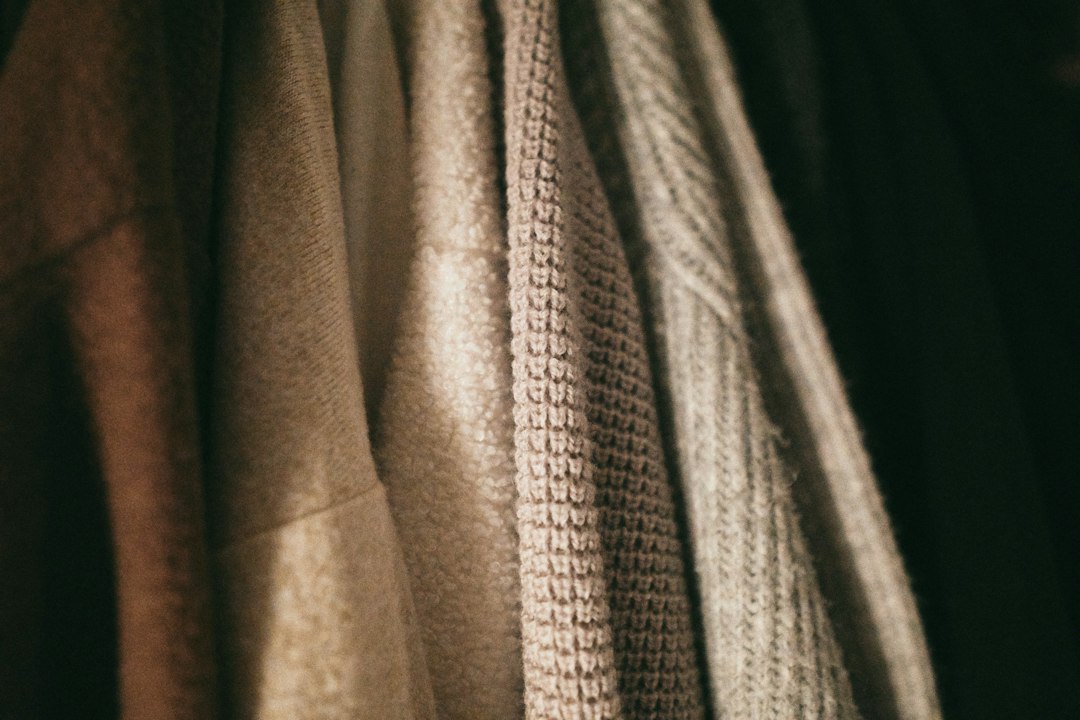
The Contenders: Understanding Mongolian Cashmere and Superfine Merino Wool
Mongolian Cashmere: Defining the Luxury Staple
Mongolian cashmere is renowned globally as a symbol of ultimate luxury and comfort. Sourced primarily from the undercoat of the Cashmere goat, native to the harsh, cold steppes of Mongolia and Inner Mongolia, this fiber is characterized by its exceptionally fine diameter and natural crimp. The goats develop a thick, downy layer to survive extreme temperatures that can plummet to -40°C (-40°F). This undercoat is laboriously collected, often through combing, to preserve the delicate fibers. The fineness of cashmere, typically ranging from 14 to 19 microns, is a primary driver of its renowned softness. Its hollow, scale-less fiber structure allows it to trap air effectively, providing remarkable warmth without significant weight.
The allure of Mongolian cashmere lies not just in its tactile sensation but also in its aesthetic qualities. It drapes beautifully, possesses a natural luster, and can be dyed in a vast spectrum of colors. However, the very delicacy that contributes to its softness also makes it susceptible to pilling and requires careful handling. The rarity and intensive collection process contribute to its premium price point, positioning it as an investment piece for discerning wardrobes.

Superfine Merino Wool: The Performance Fiber
Merino wool, originating from the Merino sheep breed, has evolved into a high-performance natural fiber, particularly in its superfine variants. Superfine Merino wool fibers typically measure between 17.5 and 19.5 microns. While slightly coarser than cashmere, this fineness is crucial for its characteristic softness and ability to resist itchiness. Unlike traditional wool, Merino fibers are naturally crimped and possess a unique scale structure that lies flat against the fiber, minimizing friction against the skin. This structure also allows Merino wool to breathe, wick moisture away from the body, and regulate temperature effectively across a wide range of conditions.
Merino wool’s versatility is its hallmark. It’s naturally odor-resistant due to the wicking properties that prevent bacterial growth, making it ideal for activewear and travel. Its inherent elasticity provides a comfortable, adaptable fit, and it exhibits better durability and resilience compared to cashmere, holding its shape well and resisting stretching.
Head-to-Head: Softness and Tactile Experience
Cashmere’s Cloud-Like Embrace: Is It Truly Softer?
The consensus on cashmere’s softness is nearly universal: it is exceptionally soft. The extremely fine fibers, measuring 14-19 microns, coupled with their smooth, scale-less surface, create a sensation that is often described as a gentle caress or a cloud-like embrace against the skin. This lack of surface scales minimizes friction, preventing the scratchy sensation often associated with coarser wools. The inherent lightweight nature of cashmere sweaters further enhances this perception of softness, as they provide warmth without the bulk that can sometimes feel restrictive or heavy.
When comparing cashmere to other fibers, including superfine Merino, cashmere generally emerges as the softer option in direct tactile comparisons. This is particularly noticeable in pure, high-quality cashmere. However, the perceived softness can vary based on the grade of cashmere, the fineness of the specific fibers used, and the knitting density of the garment. Lower-grade or blended cashmere might not offer the same luxurious feel.

Merino’s Gentle Touch: Battling the Itch Factor
The traditional stigma of wool being itchy largely stems from the use of coarser wool fibers (often above 30 microns) with pronounced, raised scales. Superfine Merino wool, with its fiber diameter of 17.5-19.5 microns and its unique scale structure that lies flat, dramatically mitigates this itch factor. When the fibers are this fine, they bend away from the skin rather than poking into it. The flat-lying scales also reduce friction and irritation.
While superfine Merino is significantly less itchy than traditional wool, it’s important to note that individual sensitivity varies. Some individuals with extremely sensitive skin might still perceive a slight tickle from even the finest Merino. However, for the vast majority of wearers, superfine Merino wool sweaters offer a comfortable, non-itchy experience that rivals or even surpasses some types of cashmere, especially when the cashmere quality is not top-tier.
| Attribute | Mongolian Cashmere (14-19 microns) | Superfine Merino Wool (17.5-19.5 microns) |
|---|---|---|
| Micron Count | 14-19 µm | 17.5-19.5 µm |
| Fiber Surface | Smooth, fewer scales | Fine scales lie flat |
| Perceived Softness | Exceptionally soft, “cloud-like” | Very soft, gentle |
| Itch Factor | Minimal to none (high quality) | Minimal to none (highly sensitive individuals may vary) |
| Weight/Bulk | Lightweight, airy | Lightweight to medium, depending on knit |
Warmth Comparison: Which Fiber Reigns Supreme in Cold?
Cashmere: Lightweight Luxury, Serious Insulation
Cashmere’s exceptional warmth-to-weight ratio is legendary. The fine fibers have a natural crimp that creates tiny air pockets between them. These trapped air pockets act as insulators, significantly slowing heat transfer. The hollow structure of some cashmere fibers further enhances this insulating capability. A lightweight cashmere sweater can provide warmth comparable to a much heavier garment made from other materials. This makes it ideal for layering or for wear in transitional weather or milder winter conditions where extreme insulation isn’t the primary concern.
The luxury association with cashmere often implies superior performance, and in terms of sheer warmth for its weight, it often delivers. However, its breathability is lower than that of Merino wool. In very active scenarios or rapidly changing temperatures, a pure cashmere sweater might lead to overheating if not managed carefully through layering.
Merino Wool: Breathable Warmth for All Seasons
Superfine Merino wool is a master of thermoregulation. While it provides excellent warmth, its ability to breathe and manage moisture sets it apart. The crimp in Merino fibers also creates insulating air pockets, but its performance shines in its ability to wick sweat away from the skin. As moisture is transported to the outer surface of the fabric to evaporate, it carries heat with it, helping to cool the body during exertion. In cooler conditions, the trapped air provides significant warmth, and the fiber itself retains insulating properties even when damp.
This makes Merino wool a highly versatile choice for varying temperatures and activity levels. A fine-gauge Merino sweater can be surprisingly warm, while its breathability prevents overheating during hikes or brisk walks. It’s often the preferred choice for outdoor enthusiasts and travelers due to this adaptive warmth and moisture management.

| Attribute | Mongolian Cashmere | Superfine Merino Wool |
|---|---|---|
| Insulation Mechanism | Trapped air in fine, hollow-like fibers | Trapped air in crimped fibers |
| Warmth-to-Weight Ratio | Exceptional | Excellent |
| Breathability | Good, but can trap heat | Excellent, manages moisture |
| Performance in Wet Conditions | Loses some insulation, can feel damp | Retains significant insulation, wicks moisture |
| Temperature Regulation | Primarily for cool to cold, stable temps | Adaptable for cool to cold, variable temps |
Durability and Care: Long-Term Value Proposition
The Longevity of Mongolian Cashmere: How to Maintain It
Mongolian cashmere, while luxurious, is delicate. Its fine fibers are susceptible to abrasion, friction, and aggressive washing, which can lead to pilling—the formation of small balls of fiber on the surface—and loss of shape. The key to cashmere’s longevity lies in gentle care. Hand washing in cool water with a specialized wool or cashmere detergent is recommended. Avoid wringing or twisting; instead, gently squeeze out excess water and lay the garment flat on a towel to dry, reshaping it while damp. Dry cleaning is also a safe option for many cashmere items.
Proper storage is also crucial. Fold cashmere sweaters instead of hanging them, as hanging can stretch the delicate fibers. Store them in a breathable garment bag, perhaps with cedar balls to deter moths, which are attracted to natural fibers. With meticulous care, a high-quality cashmere sweater can last for many years, retaining its softness and shape.
Pros of Mongolian Cashmere Care
- Retains exceptional softness with proper care.
- Can last decades if handled gently.
- Dry cleaning offers a safe, effective cleaning method.
Cons of Mongolian Cashmere Care
- Highly prone to pilling with friction.
- Requires gentle hand washing or professional cleaning.
- Susceptible to stretching and damage from improper drying or hanging.
- Vulnerable to moth damage.
The Resilience of Superfine Merino: Washing and Wear
Superfine Merino wool offers a more robust and forgiving care profile compared to cashmere. While still a natural fiber that benefits from careful handling, it is generally more resilient to everyday wear and washing. Many superfine Merino sweaters can be machine washed on a delicate or wool cycle with cool water and a mild detergent. It is crucial to avoid high heat and harsh spin cycles, which can cause shrinkage or felting. Laying flat to dry is still the preferred method, but Merino tends to recover its shape better than cashmere.
Merino wool’s natural crimp and fiber structure contribute to its resilience, making it less prone to permanent stretching or misshaping than cashmere. Pilling can occur, especially in high-friction areas, but it is often less severe and easier to manage than with cashmere. Its natural resistance to odors also means it may require less frequent washing than other fibers, contributing to its overall durability and ease of care.

Beyond the Basics: Factors Influencing Your Choice
Environmental Impact: Sustainable Sourcing and Production
Both cashmere and Merino wool are natural, biodegradable fibers, offering an advantage over synthetic alternatives. However, their environmental footprints differ. The production of cashmere, particularly high-volume production, has faced scrutiny regarding overgrazing in regions like Mongolia, leading to desertification and soil erosion. Sustainable cashmere initiatives focus on responsible herd management, ecological restoration, and ethical sourcing practices. Brands committed to sustainability often provide detailed information about their cashmere’s origin and the practices employed.
Merino wool production also has environmental considerations, primarily related to land use for grazing and water consumption in wool processing. However, the industry has made significant strides in sustainability. Many Merino wool farmers adhere to strict animal welfare standards (e.g., mulesing-free practices) and employ water-saving techniques in their operations. Certifications like the Responsible Wool Standard (RWS) help consumers identify wool products from farms that practice responsible land management and animal welfare.
Price Point: The Cost of Luxury vs. Performance
There is a distinct price difference between high-quality Mongolian cashmere and superfine Merino wool. Cashmere is consistently more expensive due to the rarity of the fiber, the labor-intensive collection process, and its perception as a luxury material. A well-made 100% Mongolian cashmere sweater can range from several hundred to over a thousand dollars, depending on the grade, brand, and construction. This positions cashmere as a significant investment piece, often purchased for special occasions or as a long-term wardrobe staple where the luxury feel is paramount.
Superfine Merino wool sweaters, while still a premium natural fiber product, are generally more accessible. A high-quality superfine Merino sweater typically ranges from $80 to $300. This more moderate price point makes Merino wool a practical choice for everyday wear, active pursuits, and for consumers seeking performance and comfort without the extravagant cost associated with cashmere. The value proposition often lies in its versatility and durability for the price.
| Factor | Mongolian Cashmere | Superfine Merino Wool |
|---|---|---|
| Primary Appeal | Ultimate softness, luxury, lightweight warmth | Versatility, breathability, moisture-wicking, odor resistance, performance |
| Price Range (USD Approx.) | $300 – $1500+ | $80 – $300 |
| Environmental Concerns | Potential overgrazing, land degradation | Land use, water in processing; strong sustainability initiatives |
| Care Complexity | High; requires delicate handling | Moderate; more forgiving |
| Durability vs. Coarseness | Delicate, prone to pilling | Resilient, less prone to severe pilling |
Hypoallergenic Properties: Who Benefits Most?
Both cashmere and superfine Merino wool are generally considered hypoallergenic compared to coarser wools. The primary irritant in traditional wool is the physical sensation caused by the coarser fibers poking the skin. As both cashmere and superfine Merino fibers are exceptionally fine, they bend away from the skin, minimizing this physical irritation. Superfine Merino, in particular, is often recommended for individuals with sensitive skin due to its minimal itch factor.
Allergies to the wool proteins themselves (lanolin or keratin) are rare but possible. Lanolin, a natural wax found in wool, is often removed during the processing of Merino wool for apparel, further reducing potential allergens. Individuals with extreme wool sensitivities might still react, but for most people who experience discomfort with regular wool, both fine cashmere and superfine Merino offer a vastly improved, comfortable wearing experience.
Real-World Performance: Expert and User Insights
In-Depth Wear Tests: Scenarios and Results
While direct, standardized wear tests are proprietary to manufacturers and research labs, consensus from consumer reviews and expert analyses highlights distinct performance differences. In urban environments and indoor settings, cashmere excels. Its lightweight nature makes it comfortable under blazers or as a standalone piece, providing elegant warmth. Users report a luxurious feel that elevates everyday outfits. However, in scenarios involving significant friction, such as wearing a backpack or prolonged contact with rough surfaces, cashmere sweaters often show signs of pilling within a few wears.
Superfine Merino wool shines in more dynamic settings. Hikers and travelers consistently praise its ability to manage moisture during physical activity, keeping them comfortable without feeling clammy. Its odor resistance is a frequently cited benefit, reducing the need for frequent washing on long trips. While it can pill, users generally find it holds up better to the rigors of active use compared to cashmere. The versatility of Merino means it transitions well from outdoor trails to casual city wear.
Common Pitfalls: Avoiding Pilling and Damage
The most common issue with both fibers, but especially cashmere, is pilling. This is caused by friction: fibers rubbing against each other or against other surfaces. For cashmere, this can happen simply from the sleeves rubbing against the body or from external sources like backpacks. To mitigate pilling, wear cashmere gently, avoid abrasive contact, and use a fabric shaver or cashmere comb to carefully remove pills as they appear. Washing inside out on a delicate cycle can also help reduce friction.
For Merino wool, pilling can occur, particularly in areas of high wear like under the arms or along the sides. However, its inherent resilience means pills are often less dense and easier to manage. Aggressive machine washing or high-heat drying are significant pitfalls for both fibers, leading to shrinkage, loss of shape, and damage to the fiber structure. Always follow care label instructions, prioritizing cool water and flat drying.
The Itch Test: Verified Feedback on Both Fibers
Verified user feedback consistently corroborates the low itch factor of both high-quality Mongolian cashmere and superfine Merino wool. Consumers sensitive to traditional wool often find both options comfortable. Many users specifically choose superfine Merino for its guaranteed non-itch properties, especially for base layers or activewear. Comments frequently mention the softness of Merino against the skin, contrasting it with the memory of scratchy wool garments from the past.
Cashmere is almost universally described as soft, but very occasionally, a user with extreme sensitivities might report a mild tickle, particularly if the cashmere is blended or of a lower micron count. However, the overwhelming sentiment is that both fibers, when of good quality, provide a comfortable, irritation-free experience for the vast majority of wearers. The key is the fineness of the fiber and the quality of the processing.
Verdict: Making the Right Choice for Your Wardrobe in 2026
The Case for Mongolian Cashmere: When to Invest
Mongolian cashmere is the definitive choice when the primary goal is unparalleled softness, luxurious drape, and lightweight, elegant warmth for less demanding conditions. It is best suited for individuals who prioritize a high-end aesthetic and tactile experience for their casual wear, office attire, or special occasions. If your wardrobe includes pieces meant to be cherished, handled with care, and worn in environments with minimal friction (e.g., dining out, relaxed social gatherings, indoor commuting), then investing in a quality cashmere sweater is a worthwhile indulgence.
Consider cashmere if you are looking for:
- The softest possible hand-feel against the skin.
- A sophisticated, luxurious appearance.
- Lightweight warmth for cool, stable temperatures.
- A statement piece that speaks of refined taste.
It is less ideal for:
- Highly active pursuits or strenuous exercise.
- Travel where durability and frequent washing are concerns.
- Budget-conscious consumers.
- Environments requiring extreme ruggedness.
The Case for Superfine Merino Wool: When Performance Wins
Superfine Merino wool is the champion for versatility, performance, and everyday practicality. Its ability to regulate temperature, manage moisture, resist odors, and offer excellent comfort with minimal itch makes it the superior choice for active lifestyles, travel, and those seeking a reliable, low-maintenance natural fiber. If you need a sweater that can perform on a hike, keep you comfortable during a long flight, and still look presentable for a casual dinner, superfine Merino wool is the clear winner.
Choose superfine Merino wool if you prioritize:
- Adaptable warmth and breathability across various temperatures and activities.
- Moisture-wicking and odor resistance for active use and travel.
- Durability and resilience for everyday wear.
- Ease of care (machine washable options available).
- Excellent value for a high-performance natural fiber.
It might be less appealing if:
- Your absolute top priority is the ultra-plush, cloud-like softness unique to the finest cashmere.
- You exclusively wear garments in formal, low-friction indoor settings.
👑 Ultimate Winner: Superfine Merino Wool
While Mongolian cashmere offers an unparalleled level of luxurious softness and lightweight warmth, Superfine Merino Wool emerges as the Ultimate Winner for most consumers in 2026 due to its superior versatility, performance, durability, and ease of care. Its exceptional thermoregulation, moisture-wicking capabilities, and natural odor resistance make it ideal for a wide range of activities, from outdoor adventures to daily commutes. Furthermore, its significantly more accessible price point and greater resilience to wear and washing offer better long-term value for everyday wardrobes. For those seeking comfort, performance, and practicality without compromising on quality, Superfine Merino Wool is the more judicious and adaptable choice.