The relentless cycle of fashion trends dictates much of our consumption. Each season, new styles emerge, urging us to update our wardrobes. This constant pressure fuels a culture of disposability, impacting both our planet and our personal peace of mind. But what if there was a more sustainable, less stressful approach? This article pits the minimalist, enduring appeal of a neutral capsule wardrobe against the fleeting excitement of seasonal trend shopping, evaluating their environmental impact and their effect on our mental well-being.
The Allure of the Capsule: Defining Your Neutral Core
What Exactly is a Neutral Capsule Wardrobe?
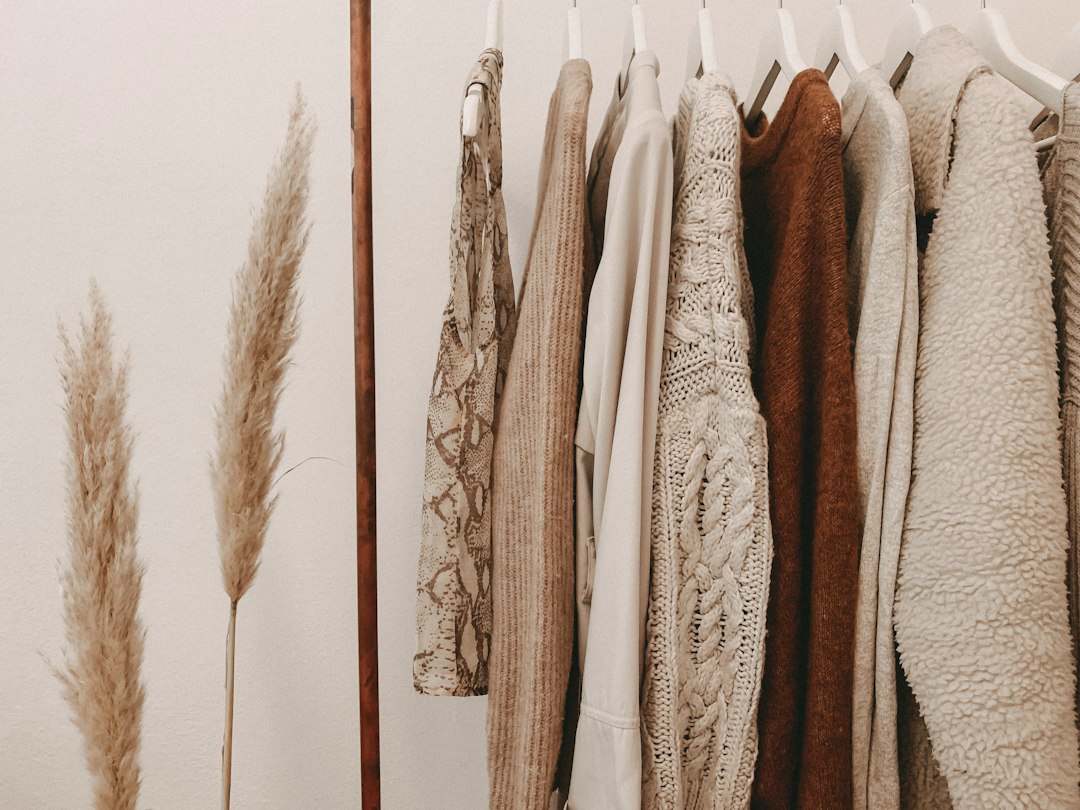
A neutral capsule wardrobe is a curated collection of versatile, high-quality clothing items in a limited color palette, primarily composed of neutral tones such as black, white, grey, beige, navy, and olive. The core idea is to maximize outfit combinations with a minimal number of pieces. Each item is chosen for its ability to mix and match seamlessly with others, creating a functional yet stylish wardrobe that transcends seasonal fads.
Core Principles: Versatility, Longevity, and Minimalism
The foundation of a capsule wardrobe rests on three pillars: versatility, longevity, and minimalism. Versatility means each piece can be styled in multiple ways for various occasions. Longevity emphasizes investing in durable, well-made garments that stand the test of time, both in terms of quality and timeless style. Minimalism, in this context, is about intentionality—owning only what you need and love, reducing clutter, and focusing on quality over quantity. This approach moves away from impulse buys and towards considered purchases.

Building Your Foundation: Essential Neutral Pieces
Essential pieces for a neutral capsule typically include well-fitting trousers or jeans, a classic white shirt, a versatile blazer, neutral-colored sweaters or cardigans, a little black dress (or its equivalent), and a timeless coat. Accessories like scarves, belts, and simple jewelry in neutral or metallic tones further enhance outfit possibilities without adding bulk. The focus is on foundational items that form the backbone of countless outfits.
Seasonal Trends: The Siren Song of Newness
Understanding Fast Fashion Cycles
The fashion industry operates on a rapid cycle of trends, often dictated by runway shows and social media influence. Fast fashion brands capitalize on this by quickly replicating high-fashion designs at lower price points, encouraging frequent purchases. This model thrives on perceived obsolescence, making last season’s “must-haves” seem outdated almost overnight. Consumers are constantly bombarded with new collections, creating a sense of urgency to keep up.
The Psychological Pull of “What’s New”
The allure of seasonal trends is deeply psychological. Acquiring new items provides a temporary dopamine boost, a feeling of being current and fashionable. Social media plays a significant role, showcasing influencers and celebrities sporting the latest styles, which can create a fear of missing out (FOMO). This constant exposure to “newness” can make individuals feel dissatisfied with their current wardrobe, even if it’s perfectly functional.

The Environmental Cost of Chasing Trends
The environmental toll of chasing seasonal trends is substantial. The fast fashion industry is a major contributor to global pollution. From the intensive use of water and chemicals in textile production to the massive amounts of textile waste generated by discarded clothing, the impact is far-reaching. Many trend-driven garments are made from synthetic fibers like polyester, which shed microplastics into waterways during washing and take centuries to decompose in landfills.
| Factor | Neutral Capsule Wardrobe | Seasonal Trend Shopping |
|---|---|---|
| Resource Consumption (Water, Energy, Chemicals) | Low to Moderate (focused on quality, fewer items) | Very High (mass production, frequent new materials) |
| Waste Generation (Textile Waste, Microplastics) | Very Low (longevity, less frequent disposal) | Very High (disposable nature, synthetic materials) |
| Carbon Footprint (Production, Transportation) | Lower (fewer items produced, less shipping over time) | Higher (global supply chains, frequent manufacturing) |
| Longevity of Items | High (timeless designs, durable materials) | Low (fast-changing styles, often lower quality) |
Environmental Impact Showdown: Capsule vs. Trends
Resource Consumption: Fabric, Water, and Energy
Producing clothing is resource-intensive. Conventional cotton farming, for instance, requires vast amounts of water and pesticides. Synthetic fabric production relies heavily on fossil fuels and energy. A neutral capsule wardrobe, by its nature, involves purchasing fewer items over time. This significantly reduces the demand for new resource-intensive manufacturing. In contrast, seasonal trend shopping fuels constant demand, driving higher consumption of water, energy, and raw materials to produce garments that are often worn only a few times before being discarded.
Waste Generation: Landfills and Microplastics
The fashion industry is a leading polluter, with textile waste forming a significant portion of landfill content. Garments bought for fleeting trends are quickly discarded, contributing to this mountain of waste. Furthermore, the prevalence of synthetic fabrics in fast fashion means that every wash cycle releases microplastics into our water systems, eventually reaching oceans and ecosystems. A capsule wardrobe, with its emphasis on durable, timeless pieces, inherently generates far less waste and reduces the shedding of microplastics.

Carbon Footprint: Production and Transportation
The global supply chains involved in producing and transporting trendy clothing contribute heavily to carbon emissions. From raw material extraction and manufacturing to shipping finished goods worldwide, each step has an environmental cost. A capsule wardrobe, while still involving production and transport, minimizes this impact over time by reducing the sheer volume of new items entering circulation. Focusing on durable, perhaps locally sourced or sustainable materials, can further lessen the carbon footprint.
Closet Sanity: Decluttering Your Life and Mind
The Mental Load of an Overstuffed Closet
An overflowing closet is more than just a storage problem; it’s a source of mental clutter and stress. The daily struggle to find something to wear, the guilt associated with unworn items, and the sheer visual noise can be overwhelming. This constant decision-making and disorganization detract from mental energy that could be better spent elsewhere. A capsule wardrobe, by its very nature, simplifies this by limiting choices to well-loved, functional pieces.
Streamlining Your Style: Decision Fatigue Eliminated
One of the most significant benefits of a capsule wardrobe is the elimination of decision fatigue. When every item in your closet coordinates and fits well, choosing an outfit becomes effortless. This frees up mental bandwidth, reduces morning stress, and allows for a more streamlined personal presentation. The focus shifts from managing a vast collection of clothes to simply selecting an appropriate outfit from a curated selection.

Maintaining and Caring for a Capsule Wardrobe
Maintaining a capsule wardrobe involves mindful care. Instead of frequent purchases, the focus shifts to preserving the quality of the existing items. This includes proper washing, mending, and storage. While initial investment in quality pieces might be higher, the reduced need for replacements and the extended lifespan of garments can make it cost-effective in the long run. Care becomes an act of respect for the items that serve you well.
Case Study: A Year with a Neutral Capsule
Real-Life Examples and User Testimonials
Countless individuals have shared their experiences transitioning to a neutral capsule wardrobe. Many report feeling more organized, less stressed, and more confident in their style. For example, a user named Sarah shared, “Before my capsule, my closet was a disaster. Now, I can get dressed in under five minutes, and I actually feel put-together every day. Plus, knowing I’m making a more sustainable choice feels great.” Another testimonial highlights the financial benefit: “I used to spend hundreds each month on clothes. Now, I invest in a few quality pieces a year, and I’m saving so much money.”
The Evolution of a Minimalist Wardrobe
The journey to a capsule wardrobe is often an evolution. It begins with decluttering and understanding personal style within a neutral framework. Over time, users learn to identify gaps, replace worn-out items with high-quality alternatives, and refine their selection. This process fosters a deeper connection with one’s clothing and a more intentional approach to consumption, moving away from impulsive buying towards thoughtful curation.
Navigating the Nuance: When Trends Can Work
Strategic Trend Integration (The 10% Rule)
For those who still wish to incorporate trends without derailing their environmental or closet sanity goals, the “10% Rule” can be effective. This principle suggests that no more than 10% of your wardrobe should consist of trendy, seasonal items. These pieces are often accessories, a single statement top, or a specific color that is currently popular. This allows for stylistic experimentation while maintaining the core integrity of a sustainable, minimalist wardrobe.
Neutral Capsule Wardrobe
👍 Pros
- Reduces decision fatigue and daily stress.
- Significantly lowers environmental impact.
- Saves money in the long run through fewer, higher-quality purchases.
- Promotes intentionality and mindful consumption.
- Creates a timeless, effortlessly chic aesthetic.
- Frees up closet space and mental energy.
👎 Cons
- Requires an initial investment in quality pieces.
- Can feel restrictive for those who love frequent style changes.
- May require a significant decluttering effort.
- Finding the perfect neutral pieces can take time.
Seasonal Trend Shopping
👍 Pros
- Allows for frequent style updates and experimentation.
- Provides a sense of being current and fashionable.
- Often offers lower upfront costs for individual items.
- Can be exciting and socially engaging (e.g., through social media).
👎 Cons
- High environmental cost (resource depletion, pollution, waste).
- Can lead to significant financial overspending.
- Creates closet clutter and mental stress.
- Promotes a disposable mindset towards clothing.
- Items quickly go out of style, leading to dissatisfaction.
Identifying Sustainable Trend Options
When embracing trends, prioritize sustainable options. Look for brands that use recycled materials, ethical production processes, and offer durable designs. Consider secondhand or vintage shopping for trendy pieces, which is inherently more sustainable. The goal is to integrate fleeting styles in a way that aligns with environmental consciousness, rather than perpetuating the fast fashion cycle.
Making the Switch: Practical Steps for a Capsule
Wardrobe Audit: Decluttering Ruthlessly
The first step is a thorough wardrobe audit. Empty your closet and assess each item. Ask yourself: Do I wear this regularly? Does it fit well? Is it in good condition? Do I love it? Be honest and prepared to let go of items that no longer serve you. Donate, sell, or responsibly dispose of unwanted clothing.
Identifying Your Personal Style within Neutrals
Neutrals don’t have to be boring. Identify your preferred neutral tones and silhouettes. Do you gravitate towards warm beiges and creams, or cool greys and navies? Do you prefer tailored fits or relaxed shapes? Understanding your personal style within this palette is key to building a capsule that feels authentic and expresses your individuality.
Smart Shopping Strategies for Capsule Building
When building your capsule, prioritize quality over quantity. Invest in versatile, timeless pieces from reputable brands known for durability and ethical practices. Look for natural, sustainable fabrics like organic cotton, linen, Tencel, or wool. Purchase items intentionally, ensuring they complement existing pieces and fill genuine wardrobe needs.
Frequently Asked Questions: Capsule vs. Trends
Can a capsule wardrobe be stylish?
Absolutely. A well-curated neutral capsule wardrobe can be incredibly stylish, versatile, and chic. The emphasis on quality, fit, and timeless design ensures a sophisticated aesthetic that transcends fleeting trends.
How often should I update my capsule wardrobe?
A capsule wardrobe is designed for longevity. Updates are infrequent and intentional, typically involving replacing worn-out items or making minor adjustments based on significant lifestyle changes, rather than seasonal overhauls.
What if I love colorful clothes?
You can still incorporate color. Start with a neutral base and add pops of color through accessories, scarves, shoes, or a few select tops or sweaters. You can also explore colorful pieces in more sustainable fabrics or secondhand options.
Is a capsule wardrobe more expensive?
The initial investment in high-quality pieces for a capsule wardrobe might be higher than buying multiple fast-fashion items. However, over time, the reduced need for frequent replacements makes it more cost-effective. You buy less, but you buy better.
How to transition from trend shopping to capsule?
Start small. Begin by decluttering and identifying your core neutral pieces. Gradually replace trendy items with more durable, timeless alternatives as they wear out. Focus on building a solid foundation before adding any seasonal elements strategically.
👑 Ultimate Winner: Neutral Capsule Wardrobe
For individuals prioritizing environmental sustainability, closet sanity, and long-term financial sense, the neutral capsule wardrobe emerges as the clear victor. While seasonal trends offer fleeting excitement, they come at a steep cost to the planet and personal well-being. The capsule approach fosters mindful consumption, reduces waste, and simplifies daily life, making it the superior choice for the conscious consumer of 2026 and beyond. It’s Best for those seeking a streamlined, sustainable, and stress-free approach to style, offering enduring value over short-lived fashion fads.