🧰 Tools & Gear You’ll Need
- A willingness to challenge ingrained habits.
- A calendar or planner for intentional scheduling.
- Noise-canceling headphones for focus blocks.
- A comfortable, organized workspace.
- A water bottle to encourage mindful hydration.
- A journal for reflection (optional but recommended).
Understanding the Conflict: Fast Pace vs. Slow Living in Modern Careers
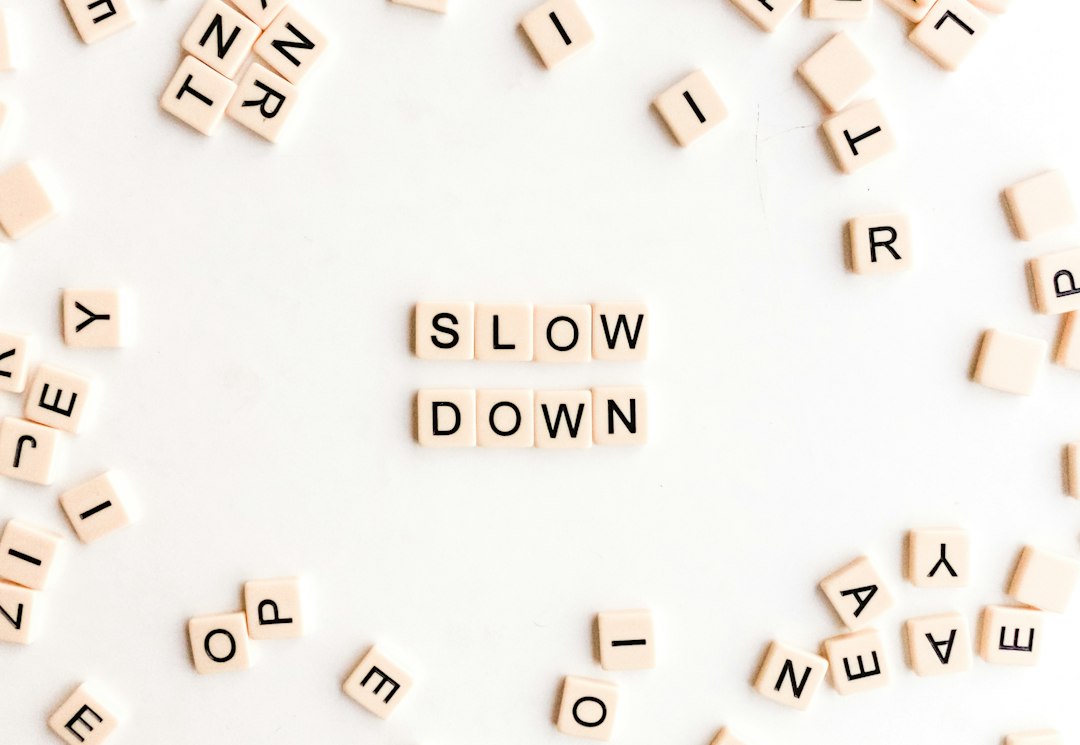
The relentless hum of modern work life often feels like a runaway train. Deadlines loom, notifications ping incessantly, and the expectation to be “on” 24/7 has become the norm. This perpetual rush, while often praised as a sign of productivity, exacts a heavy toll. Enter “slow living” – a philosophy that, counterintuitively, can be a powerful antidote to burnout, enhancing both well-being and long-term effectiveness, even in the most demanding careers. This guide isn’t about abandoning ambition; it’s about fundamentally rethinking how we approach our work to make it sustainable, fulfilling, and ultimately, more successful.
Defining “Slow Living” Beyond the Buzzword
Forget the romanticized imagery of rustic cabins and complete digital detoxes. Slow living, in the context of a high-octane career, is about intentionality. It’s the practice of engaging with each moment and task deliberately, rather than reactively. It’s about prioritizing depth over breadth, quality over quantity, and presence over constant motion. It means consciously choosing where to invest your energy, rather than letting external pressures dictate your pace. Think of it as a precision tool rather than a sledgehammer – designed for focused impact, not just brute force.
Identifying the Demands of a Fast-Paced Work Life
The hallmarks of a fast-paced work environment are readily identifiable. They include constant connectivity, pressure for immediate responses, a culture of busyness, rapid project cycles, multitasking as a default, and often, blurred lines between work and personal life. This creates an environment where efficiency is prized, but often at the expense of thoughtful execution, deep work, and personal well-being. The underlying assumption is that more activity equals more output, a dangerous fallacy that leads to diminishing returns and chronic stress.

The Psychological Toll of Constant Rush
The constant state of “hurry” triggers our fight-or-flight response, leading to elevated cortisol levels. Over time, this chronic stress manifests as anxiety, difficulty concentrating, impaired decision-making, irritability, and eventually, burnout. We become reactive, our attention spans shorten, and our ability to engage in creative problem-solving diminishes. This isn’t just an abstract psychological concept; it’s a tangible degradation of cognitive function and emotional resilience, directly impacting job performance and overall quality of life.
Strategic Integration: Applying Slow Living Principles to Your Workday
The key to integrating slow living isn’t a radical overhaul, but a series of micro-adjustments strategically woven into your existing workday. It’s about reclaiming control over your time and attention, one deliberate action at a time.
Mindful Mornings: Setting a Slower Tone Before Work
The way you start your day often dictates its trajectory. Instead of immediately diving into emails or news feeds, dedicate the first 15-30 minutes to a calming, intentional activity. This could be quiet reflection, light stretching, enjoying a cup of tea without distractions, or a short meditation. The goal is to activate your parasympathetic nervous system, signaling to your brain that it’s safe to be present and focused, rather than perpetually on high alert.
Establish a Pre-Work Ritual
Choose an activity that grounds you – meditation, journaling, gentle movement, or simply savoring your morning beverage. Avoid screens for at least the first 15 minutes.
Hydrate Deliberately
Drink a glass of water before coffee or tea. This simple act aids focus and signals the start of your day mindfully.
Resist Immediate Digital Immersion
Delay checking emails and messages until you’ve completed your chosen ritual and are at your workspace. This prevents reactive mode from taking over.
Intentional Work Blocks: Batching Tasks and Minimizing Multitasking
Multitasking is a myth that drains cognitive resources. Instead, practice time blocking and task batching. Dedicate specific, uninterrupted blocks of time for similar types of tasks. For example, set aside an hour for responding to emails, another for deep creative work, and a third for administrative duties. This allows your brain to stay in a specific mode, reducing the mental friction of constant context switching.

The Power of Micro-Breaks: Recharging Without Losing Momentum
Short, deliberate breaks are crucial for sustained focus. The Pomodoro Technique (25 minutes of work, 5 minutes of break) is a classic example. Use these breaks not to scroll through social media, but to step away from your screen, stretch, walk around, or do a quick breathing exercise. These micro-pauses prevent mental fatigue and actually enhance overall productivity by maintaining a higher level of focus during work periods.
Schedule Your Breaks
Don’t wait until you’re exhausted. Set timers for focused work intervals (e.g., 50-90 minutes) followed by short breaks (5-10 minutes).
Make Breaks Restorative
Step away from your desk. Look out a window, stretch, get water, or do a brief mindfulness exercise. Avoid work-related content.
Increase Break Duration for Deep Work
For highly demanding cognitive tasks, consider longer work blocks with slightly longer, more restorative breaks.
Designing a Mindful Workspace for Focus
Your physical environment significantly impacts your mental state. Declutter your workspace regularly. Organize essential items within easy reach. Consider adding elements that promote calm, such as a plant or a piece of art. Minimize visual distractions. If possible, position your desk to face away from high-traffic areas. Good lighting and comfortable ergonomics are non-negotiable for sustained work.
Saying “No” Strategically: Protecting Your Time and Energy
This is perhaps the most challenging, yet most critical, aspect of slow living in a fast-paced environment. Learn to politely but firmly decline requests that don’t align with your priorities or that would overload your schedule. This isn’t about being unhelpful; it’s about self-preservation and ensuring you can deliver high-quality work on your core responsibilities. Practice phrases like, “I appreciate you thinking of me, but I don’t have the bandwidth to give this the attention it deserves right now,” or “I can’t take that on, but perhaps colleague could help?”

Slowing Down Your Communication and Collaboration
Communication often becomes a major bottleneck in fast-paced environments. Applying slow living principles here means prioritizing clarity, intention, and respect for others’ time.
Email and Messaging Etiquette for a Less Hectic Flow
Resist the urge for instant replies unless absolutely necessary. Set specific times to check and respond to emails and messages. Use clear, concise subject lines. Get to the point quickly in your messages. Avoid unnecessary “reply alls.” Consider batching your email responses into one or two specific blocks per day rather than constantly monitoring your inbox.
Batch Communication Checks
Designate 2-3 specific times during the day to check and respond to emails/messages, rather than reacting to every notification.
Be Concise and Clear
Use clear subject lines. State the purpose of your message upfront. Use bullet points for readability.
Set Expectations
If a response will take time, let the sender know. For example: “I’ll review this and get back to you by end of day tomorrow.”
Conducting More Intentional and Productive Meetings
Many meetings are poorly run and drain energy. Start by questioning if a meeting is truly necessary. If it is, ensure there’s a clear agenda distributed beforehand. Stick to the agenda and the allotted time. Assign a facilitator and a note-taker. End each meeting with clear action items, assigned owners, and deadlines.
Fostering Deeper Connections with Colleagues
In a rush, interactions become superficial. Make an effort to engage colleagues in brief, genuine conversations beyond immediate work tasks. Ask about their weekend, show genuine interest, and listen actively. These small moments build trust and rapport, which paradoxically can make collaboration smoother and more efficient in the long run.
Slow Living Beyond the 9-to-5: Integrating Principles into Your Commute and Downtime
Slow living isn’t confined to work hours. Extending these principles into your personal time ensures a holistic approach to well-being and prevents work-life spillover.
Mindful Commuting: Turning Travel Time into Transition Time
Whether you drive, take public transport, or walk, your commute is an opportunity. Instead of stressing about work or catching up on emails, use this time to decompress. Listen to calming music, a podcast unrelated to work, or simply observe your surroundings. If you walk or drive, practice mindfulness of your movement and environment. View this as a buffer zone between the demands of work and the peace of home.
Deliberate Downtime: Unplugging and Recharging Effectively
True downtime is not scrolling endlessly on your phone. It’s about engaging in activities that genuinely restore your energy. This might mean reading a physical book, spending time in nature, engaging in a hobby, or simply resting without the pressure to be productive. Protect this time fiercely.

Slow Hobbies and Evening Routines for True Relaxation
Cultivate hobbies that encourage focus and presence, like knitting, painting, gardening, or playing a musical instrument. Establish a calming evening routine that signals to your body it’s time to wind down. This could include a warm bath, reading, or light stretching. Avoid screens for at least an hour before bed to improve sleep quality.
Choose Restorative Hobbies
Engage in activities that require focus and manual dexterity, promoting a flow state and disconnecting from work stressors.
Create a Wind-Down Routine
Establish a consistent set of calming activities before bed (reading, gentle stretching, herbal tea) to prepare for sleep.
Digital Sunset
Power down all non-essential electronic devices at least 60 minutes before your intended bedtime.
Overcoming Common Obstacles to Slow Living at Work
Implementing slow living principles isn’t always easy, especially when faced with ingrained workplace cultures and personal habits.
Battling the Urge for Constant Productivity
We’re often conditioned to equate busyness with value. The urge to fill every moment with activity can be strong. Recognize this as a conditioned response. Practice pausing before jumping into the next task. Remind yourself that strategic rest and focused, high-quality work are more valuable than constant, low-impact activity.
Managing External Pressures and Expectations
Your colleagues, boss, or even clients might operate under different assumptions about pace and responsiveness. Communicate your intentions clearly and professionally. Demonstrate the value of your slower, more focused approach through the quality of your output. It may take time to shift perceptions, but consistent results speak volumes.
Addressing Guilt When Slowing Down
It’s common to feel guilty when you’re not visibly “busy.” This guilt often stems from societal conditioning. Reframe your perspective: slowing down strategically isn’t laziness; it’s a high-performance strategy that prevents burnout and enhances long-term effectiveness. Focus on the quality and impact of your work, not just the sheer volume of hours clocked.
Case Studies: Professionals Thriving with Slow Living at Work in 2026
Real-world examples demonstrate that slow living is not just a theoretical concept but a practical, successful strategy across various industries.
Industry A Executive’s Journey to a Slower Pace
Sarah, a VP of Marketing in the tech sector, was on the brink of burnout. Constant travel, back-to-back meetings, and pressure to innovate at breakneck speed left her exhausted. She implemented strict “no meeting” blocks on two mornings a week, delegated more assertively, and started ending her workday at 5:30 PM sharp, turning off work notifications. Within six months, her strategic decision-making improved, team morale increased, and her stress levels significantly decreased, all while exceeding performance targets.
Industry B Creative’s Approach to Mindful Workflow
Mark, a freelance graphic designer, struggled with fluctuating workloads and the pressure to be constantly available. He adopted task batching, dedicating specific days to client calls, design work, and administrative tasks. He also implemented a mandatory “creative incubation” period for new projects, allowing ideas to percolate before diving into execution. This led to more innovative designs and fewer revisions, improving client satisfaction and his own creative fulfillment.
Lessons Learned from Diverse Professional Paths
The common threads across these and other successful transitions involve: 1) Recognizing the unsustainability of constant rush. 2) Committing to small, consistent changes. 3) Prioritizing deep work and strategic rest. 4) Learning to set boundaries and communicate them effectively. 5) Focusing on impact and quality over sheer activity. The shift requires intention and practice, but the rewards – sustained performance, enhanced well-being, and greater job satisfaction – are profound.