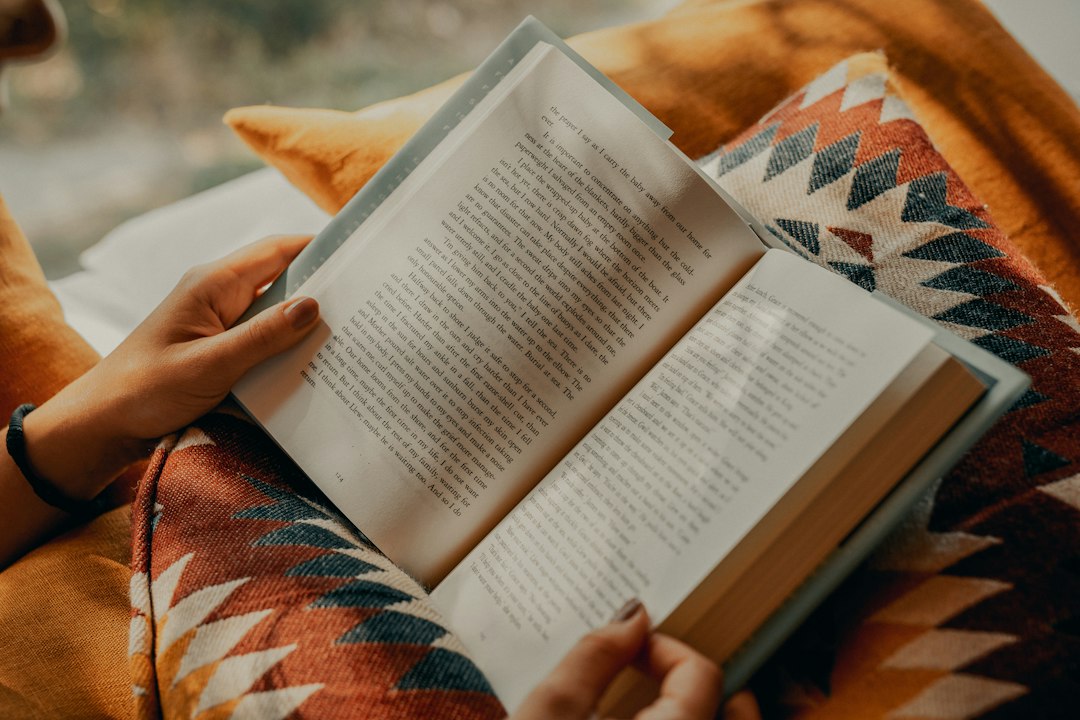
| Book Title | Author | Core Focus | Key Takeaway | Price Range (USD) |
|---|---|---|---|---|
| The Art of Stillness | Pico Iyer | Mindfulness & Inner Peace | Finding calm amidst chaos through intentional quiet. | $15 – $20 |
| Essentialism | Greg McKeown | Intentionality & Focus | Doing less, but better, by focusing on the vital few. | $17 – $22 |
| Braiding Sweetgrass | Robin Wall Kimmerer | Joy, Connection & Earth Wisdom | Indigenous insights on reciprocity with nature and finding gratitude. | $18 – $25 |
| Goodbye, Things | Fumio Sasaki | Practical Simplicity & Minimalism | Minimalism as a path to freedom and happiness by shedding possessions. | $12 – $18 |
| Small Pleasures | Clare Chambers | Connection & Quiet Joys | Finding profound meaning in everyday moments and human connection. | $14 – $19 |

Understanding the Slow Living Movement: Why It Matters Now
Defining Slow Living in a Fast-Paced World
In an era dominated by the relentless hum of notifications, instant gratification, and the pressure to constantly achieve more, the “slow living” movement emerges not as a trend, but as a fundamental reorientation of values. It’s a conscious rejection of the cult of busyness and a deliberate embrace of a life lived with more intention, presence, and depth. Slow living isn’t about being lazy or unproductive; rather, it’s about optimizing for what truly matters, aligning actions with core values, and cultivating a richer, more meaningful existence. It champions quality over quantity in all aspects of life – from how we work and consume to how we connect with ourselves, others, and the natural world.
The Benefits of Embracing Simplicity and Intentionality
The advantages of adopting a slower, more intentional pace are profound and far-reaching. By simplifying our lives – decluttering physical spaces, mental clutter, and our schedules – we create room for what truly nourishes us. Intentionality, the practice of making conscious choices aligned with our deepest values, combats the drift of living on autopilot. This focus reduces stress, enhances mental clarity, and fosters a greater sense of control and agency. Benefits include improved mental well-being, deeper relationships, increased creativity, and a heightened appreciation for the present moment, ultimately leading to a more fulfilling and resilient life.
Finding Peaceful Joy Through Mindful Living
At its heart, slow living is a pathway to enduring joy and peace, often found not in grand achievements, but in the quiet appreciation of the ordinary. Mindful living, a cornerstone of the slow movement, encourages us to be fully present in each experience, noticing the details and sensations often overlooked in our haste. This practice cultivates gratitude, contentment, and a deep sense of inner peace that is less dependent on external circumstances. By savoring simple pleasures – a quiet cup of tea, a walk in nature, a heartfelt conversation – we begin to experience a profound, sustainable joy that permeates everyday life.
Deep Dive: In-Depth Reviews of Essential Slow Living Books
The Art of Stillness: Finding Peace in a World That Never Stops
⚖️ Focus: Mindfulness, Contemplation
🔋 Key Insight: Stillness is accessible anywhere.
👍 Pros
- Inspiring call to embrace stillness in a hyper-connected world.
- Thought-provoking essays on the nature of silence and solitude.
- Accessible philosophical reflections applicable to modern life.
👎 Cons
- Less of a practical “how-to” guide, more philosophical contemplation.
- May feel abstract for readers seeking concrete, actionable steps.
Pico Iyer, a seasoned travel writer, draws on his extensive experience and observations to argue that the ultimate journey is often inward. The book explores how deliberately stepping away from the constant stream of information and external demands can lead to profound self-discovery and peace. Iyer synthesizes insights from various spiritual traditions and thinkers, suggesting that finding stillness is not about escaping the world, but about engaging with it more authentically. Its strength lies in its lyrical prose and gentle persuasion, though readers looking for a structured program might find it lacking.
“The Art of Stillness” is less a manual and more an invitation to reconsider our relationship with noise and movement. Pico Iyer masterfully articulates the paradox that in our frantic efforts to “do more,” we often lose touch with ourselves. He posits that stillness is not a destination, but a practice – a mental space we can cultivate regardless of our physical surroundings. The book’s power lies in its elegant exploration of why we crave escape, why we fear quiet, and how embracing moments of deliberate inactivity can paradoxically enhance our engagement with life. Iyer’s reflections on the spiritual benefits of solitude and contemplation offer a compelling counter-narrative to the glorification of busyness. For those feeling overwhelmed by the pace of modern existence, Iyer offers a gentle, yet profound, reminder that peace is not found in doing, but in being.
Essentialism: Mastering the Art of the Disciplined Pursuit of Less
⚖️ Focus: Prioritization, Productivity
🔋 Key Insight: The disciplined pursuit of less, but better.
👍 Pros
- Provides a clear, actionable framework for identifying and pursuing the most important things.
- Excellent for combating overwhelm and decision fatigue.
- Emphasizes saying “no” strategically to create space for “yes.”
👎 Cons
- Requires consistent effort and self-discipline to implement effectively.
- Some may find the business-centric framing initially off-putting for personal slow living goals.
Greg McKeown’s “Essentialism” offers a systematic approach to achieving “the disciplined pursuit of less, but better.” It challenges the notion that more is always better and encourages readers to identify the vital few tasks and commitments that truly matter. The book outlines a practical methodology involving exploring, eliminating, and executing with precision. While often framed within a business context, its principles are highly applicable to personal life, helping individuals reclaim time and energy by distinguishing the trivial many from the vital few. Its effectiveness hinges on the reader’s commitment to rigorous evaluation and boundary setting.
“Essentialism” provides a robust antidote to the modern affliction of overcommitment. Greg McKeown argues compellingly that the path to higher achievement and greater satisfaction lies not in doing more, but in doing less, but better. He introduces a mindset shift: discerning the trivial many from the vital few. The book is structured around a clear process – explore, eliminate, execute – guiding readers on how to identify what truly matters, courageously cut out the rest, and then make execution as effortless as possible. McKeown’s insights into the power of saying “no,” the importance of trade-offs, and the need for deliberate pauses are invaluable for anyone seeking to regain control of their time and focus. While it demands discipline, the payoff is a life lived with greater purpose, impact, and a profound sense of clarity.

Braiding Sweetgrass: Indigenous Wisdom for Finding Joy in Our Connection to the Earth
⚖️ Focus: Nature Connection, Gratitude, Reciprocity
🔋 Key Insight: Reciprocity with nature fosters deep joy and belonging.
👍 Pros
- Beautifully written, merging scientific knowledge with Indigenous wisdom.
- Inspires a profound sense of awe and gratitude for the natural world.
- Offers a powerful framework for ecological healing and belonging.
👎 Cons
- Less a direct guide to “slow living” in the minimalist sense, more a spiritual and ecological one.
- Some concepts require a willingness to engage with Indigenous perspectives.
Robin Wall Kimmerer, a botanist and member of the Citizen Potawatomi Nation, weaves together scientific understanding, Indigenous knowledge, and personal reflections in “Braiding Sweetgrass.” The book explores the reciprocal relationship between humans and the natural world, emphasizing gratitude, reciprocity, and the gifts of the Earth. It frames plants and ecosystems as teachers, offering profound lessons on how to live in balance and harmony. While not explicitly a “slow living” book in the vein of minimalism, its core message of mindful connection, appreciation for simple abundance, and deep ecological belonging resonates powerfully with the slow living ethos. It encourages a slower, more observant, and grateful way of engaging with the world around us.
“Braiding Sweetgrass” is a luminous masterpiece that reenchants the reader with the natural world. Robin Wall Kimmerer offers a profound and poetic exploration of the relationship between humans and plants, drawing from her dual perspectives as a scientist and a member of the Indigenous tradition. The book is structured around three sisters: Knowing, Living, and Listening. Kimmerer eloquently shares stories of botanical wisdom, ecological science, and cultural teachings, revealing how the natural world can be a source of profound wisdom, healing, and joy. It challenges the modern disconnect from nature and advocates for a relationship of reciprocity and gratitude. Reading “Braiding Sweetgrass” is an act of slowing down, paying attention, and rediscovering our place within the intricate web of life. It inspires a sense of belonging and a deep appreciation for the simple, yet extraordinary, gifts of the Earth.
Goodbye, Things: A Memoir of Decluttering My Life and Discovering What Truly Matters
⚖️ Focus: Minimalism, Anti-Consumerism
🔋 Key Insight: Possessions own you; shedding them liberates you.
👍 Pros
- Direct, relatable, and often humorous account of embracing minimalism.
- Offers practical insights and motivation for decluttering.
- Challenges the cultural obsession with acquiring material goods.
👎 Cons
- The extreme level of minimalism described might not be practical or desirable for everyone.
- Focus is heavily on material possessions, less on other life areas.
Fumio Sasaki’s memoir chronicles his journey from owning multiple storage units to living with an extremely minimalist lifestyle. He argues that possessions don’t bring happiness but often create burdens. The book details his process of decluttering, the surprising benefits he experienced (including financial freedom, more time, and mental clarity), and his philosophy on what truly constitutes a fulfilling life. While Sasaki’s minimalist threshold is exceptionally low (possessing very few items), his narrative is highly motivating for anyone considering a less consumer-driven existence. It provides a clear, personal perspective on how reducing material attachment can lead to greater peace and intentionality.
“Goodbye, Things” is a refreshingly candid and often humorous look at the power of minimalism. Fumio Sasaki recounts his radical transformation from a self-proclaimed “pack rat” to a dedicated minimalist, shedding the vast majority of his possessions. He posits that our attachment to things often enslaves us, creating stress, financial burdens, and limiting our freedom. Sasaki shares his personal journey, the challenges he faced, and the profound sense of liberation and joy he found by living with only the essentials. The book is packed with relatable anecdotes and persuasive arguments against consumer culture, highlighting how decluttering not only simplifies physical space but also clarifies mental space. It’s a compelling read for anyone curious about reducing their material footprint and discovering that true happiness may lie in having less, not more.
Small Pleasures: A Novel of Quiet Delights and Unexpected Connection
⚖️ Focus: Human Connection, Everyday Joys
🔋 Key Insight: Profound meaning found in quiet moments and relationships.
👍 Pros
- Beautifully observed characters and relationships.
- Captures the subtle nuances of everyday life and quiet contentment.
- Offers a gentle, character-driven exploration of finding joy.
👎 Cons
- A fictional narrative, not a direct self-help guide.
- The pace is deliberately slow, mirroring the theme.
Clare Chambers’ novel “Small Pleasures” is a character study that embodies the spirit of slow living through its narrative. It focuses on Jean, a local newspaper reporter in the 1950s, who is assigned to investigate a woman’s claim of having a child through immaculate conception. As Jean delves into the story, she finds herself drawn into the lives of those around her, discovering unexpected connections and quiet joys amidst the mundane. The novel excels at portraying the subtle shifts in perspective and the profound beauty found in ordinary experiences and human relationships, rather than grand events. It serves as a literary example of how embracing the present and nurturing connections can lead to a rich and meaningful life, aligning with slow living principles.
“Small Pleasures” is a exquisitely rendered novel that champions the profound beauty of the ordinary. Set in the 1950s, it follows Jean, a meticulous and somewhat isolated local newspaper reporter assigned a peculiar story: a woman claiming her child is a miracle. As Jean investigates, she finds herself increasingly entangled in the lives of the woman and her alleged miracle child, discovering subtle truths and unexpected connections that begin to illuminate her own quiet existence. Chambers’ prose is measured and observant, capturing the gentle rhythms of everyday life with remarkable precision. The novel doesn’t rely on dramatic plot twists but rather on the slow unfolding of character and the quiet revelations that arise from genuine human interaction. It’s a testament to how deep fulfillment can be found not in grand gestures, but in the small, often overlooked, moments of kindness, curiosity, and connection that form the fabric of a well-lived life.
Beyond the Top 5: Other Notable Slow Living Books for Your Shelf
While the above five books offer a robust starting point, the landscape of slow living literature is rich and varied. Consider exploring authors like Henry David Thoreau, whose seminal work Walden remains a foundational text for simple living and self-reliance. Annie Dillard’s essays, particularly in Pilgrim at Tinker Creek, offer lyrical reflections on observing the natural world with intense focus and presence. For a more contemporary take on intentional living and mindful consumption, books by The Minimalists (Joshua Fields Millburn & Ryan Nicodemus) provide practical advice, though their approach can be more direct and less philosophical than some other works. Additionally, works focusing on mindfulness, such as those by Thich Nhat Hanh, offer deep insights into cultivating peace and presence in daily life, which are integral components of the slow living philosophy.

How We Curated the Best Slow Living Books for 2026
Our Selection Criteria: Simplicity, Intentionality, Joy, and Practicality
The process of curating the “best” slow living books for 2026 was guided by a commitment to core principles that define the movement. We prioritized books that not only articulate the philosophy of slow living but also provide tangible pathways toward cultivating simplicity, enhancing intentionality, fostering peaceful joy, and offering practical applications. Each selection was evaluated based on its potential to inspire genuine change, its clarity of message, the author’s credibility, and its lasting impact on the reader. We sought works that encourage a conscious evaluation of one’s life, moving away from passive consumption and toward active, value-driven choices.
Expert Insights and Reader Community Feedback
Our curation process incorporated insights from lifestyle experts, contemplative practice leaders, and renowned authors in the fields of minimalism and intentional living. Furthermore, we analyzed extensive reader feedback, reviews, and community discussions across various platforms. This qualitative and quantitative data allowed us to gauge the real-world impact and resonance of these books. Books that consistently received praise for their ability to inspire tangible shifts in perspective and daily habits, and those that fostered a deeper sense of well-being and connection among readers, were given higher consideration.
What Makes a Book Truly Inspire Slow Living?
A book that truly inspires slow living does more than just describe the concept; it embodies it. It offers wisdom that is both profound and accessible, encouraging introspection without judgment. Such books often possess a certain literary quality—whether through lyrical prose, compelling narrative, or clear, actionable frameworks—that draws the reader in and fosters a lasting connection. They challenge conventional notions of success and happiness, presenting alternatives rooted in presence, purpose, and peace. Ultimately, the most inspiring slow living books empower readers to make conscious choices, cultivate gratitude, and find joy in the unfolding journey of life, rather than in a perpetually deferred future.

Frequently Asked Questions About Slow Living Books
What are the core principles of slow living?
The core principles of slow living revolve around intentionality, mindfulness, quality over quantity, connection (with self, others, and nature), sustainability, and finding joy in the present moment. It’s about consciously choosing how to spend your time and energy, rather than being swept away by external pressures or societal expectations.
Can books truly change one’s lifestyle?
Yes, books can be powerful catalysts for lifestyle change. While reading alone is not enough, insightful books can shift perspectives, offer new frameworks for understanding the world, provide practical strategies, and offer the motivation needed to implement changes. The key is active engagement—reflecting on the material and applying its lessons consciously to one’s life.
How can I apply the lessons from these books to my daily life?
Start small. Choose one or two key takeaways from a book that resonate deeply with you. This might involve scheduling intentional downtime, practicing mindful observation during daily tasks, decluttering a small area of your home, or consciously choosing one commitment over others. Consistent, small actions are more sustainable and impactful than attempting a radical overhaul all at once.