🧰 Tools & Gear You’ll Need
- 2700K warm white LED or incandescent bulbs
- Dimmable light fixtures (lamps, sconces, ceiling fixtures)
- Compatible dimmer switches (ensure LED compatibility if using LEDs)
- Optional: Smart home hub and dimmable smart bulbs/switches
- Optional: Extension cords, surge protectors
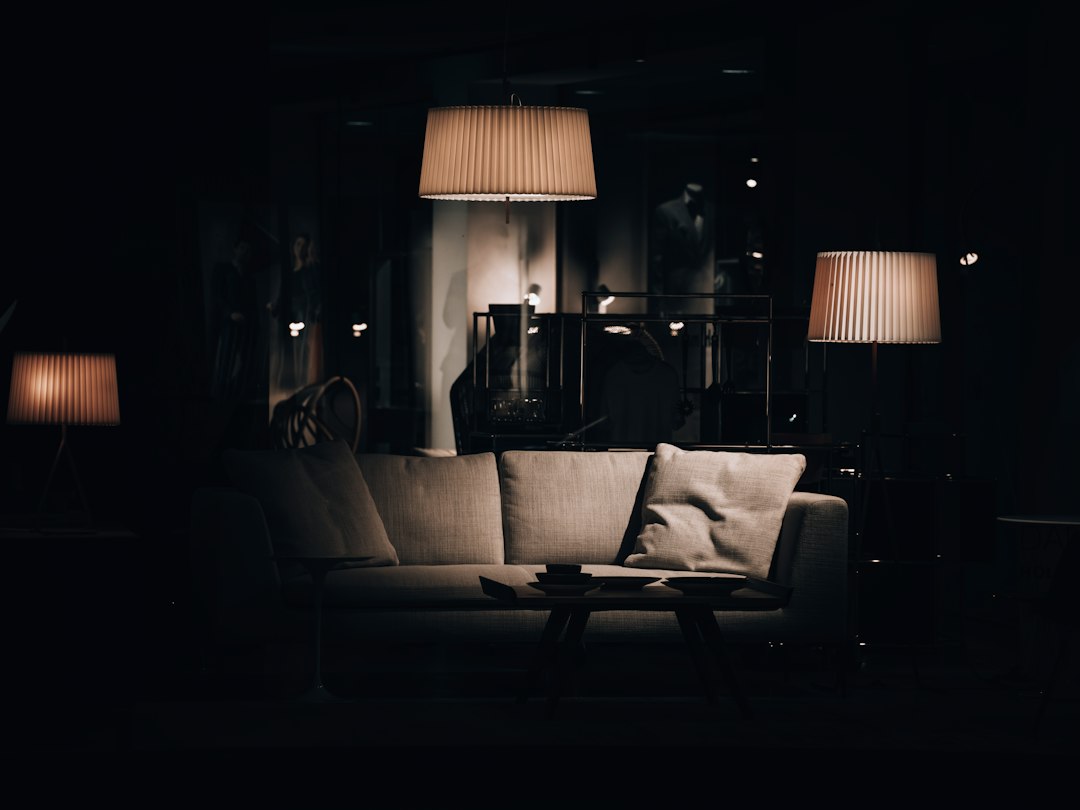
The biggest mistake most folks make when trying to create a cozy atmosphere isn’t the furniture or the rugs; it’s the lighting. Too often, we rely on a single, harsh overhead light that blasts the room with unforgiving glare, killing any chance of a relaxed vibe. If you’re aiming for those perfectly serene, warm evenings where every corner feels inviting, you need to layer your lighting. This means ditching the one-size-fits-all approach and strategically combining different light sources, controlling their intensity with dimmers, and crucially, using the right color temperature – specifically, 2700K warm white bulbs.
The Foundation: Why 2700K Warm White Bulbs Are Key to Cozy Ambiance
Before we even talk about layering, let’s nail down the most critical component: the bulb itself. The color temperature of your light bulb has a profound impact on the mood and feel of your space. For coziness, 2700K is your golden ticket.
Understanding Color Temperature: Beyond the Kelvin Scale
Color temperature is measured in Kelvin (K). Think of it as a spectrum: lower Kelvin numbers mean warmer, more yellow-red light, while higher numbers mean cooler, bluer light. A typical candle flame is around 1800K, emitting a very warm, soft glow. Daylight is much cooler, often in the 5000K to 6500K range, appearing bright and crisp. 2700K falls squarely in the “warm white” zone, closely mimicking the incandescent bulbs many of us grew up with – the kind that instantly made a room feel comfortable and inviting. It’s the sweet spot for relaxation, not the sterile brightness that can make you feel like you’re in an office or operating room.

The Psychological Impact of Warm Lighting on Mood
Our brains are wired to associate warm light with safety, comfort, and rest. Think about a campfire or a sunset – these natural, warm light sources signal the end of the day and a time to wind down. Recreating this with 2700K bulbs helps signal to your body that it’s time to relax, reducing stress and promoting a sense of well-being. Cooler, bluer light, on the other hand, is associated with alertness and can actually suppress melatonin production, making it harder to wind down. For cozy evenings, you want light that hugs you, not light that jolts you awake.
Comparing 2700K to Cooler Tones: When to Avoid Them
Cooler light (3000K and above) has its place. It’s great for task lighting where you need clarity and focus, like in a kitchen workspace, a garage, or a home office where you need to be alert. However, using cool bulbs in your main living areas, especially in the evening, will fight against the cozy atmosphere you’re trying to build. It can make colors appear washed out and create a clinical, unwelcoming feel. Stick to 2700K for your primary ambient and decorative lighting; save the cooler tones for functional areas where clarity is paramount.
Layering Light Sources: Creating Depth and Dimension
Once you’ve committed to 2700K bulbs, the real magic happens when you layer different types of light. This isn’t about having more lights on; it’s about having *options* and using them strategically to paint your room with light, avoiding harsh shadows and creating a rich, inviting visual experience.
Defining Ambient, Task, and Accent Lighting in a Cozy Context
Think of lighting in three layers:
- Ambient Lighting: This is your general, overall illumination. It’s the foundation, providing a base level of light so you can navigate the room safely. For coziness, this should be soft and diffused, not overpowering. Think floor lamps with shades, or wall sconces casting light upwards and outwards.
- Task Lighting: This is focused light for specific activities. Reading a book, doing a puzzle, or knitting requires more direct light. This could be a directional floor lamp next to your favorite armchair or a slim desk lamp on a side table. Crucially, task lighting should be controllable so you can turn it off when not needed, preventing it from disrupting the ambient mood.
- Accent Lighting: This is your decorative flourish. It’s used to draw attention to specific features – a piece of art, a textured wall, a plant, or a cozy nook. Think small spotlights, picture lights, or even string lights strategically placed. Accent lighting adds depth and visual interest.
Strategically Placing Ambient Light Sources for Even Illumination
The goal of ambient lighting isn’t to light up the whole room like a stage. It’s to provide a gentle, even glow. Avoid placing all your ambient lights in the center of the room. Instead, distribute them around the perimeter. Use floor lamps in corners, table lamps on side tables, and perhaps wall sconces. This approach prevents a central bright spot and distributes light more pleasingly, reducing glare and creating a softer overall effect. Aim for at least three different light sources in a medium-sized room to achieve good coverage without resorting to a single, powerful overhead light.

Integrating Task Lighting Seamlessly Without Disrupting Ambiance
Task lighting needs to be functional but discreet. When you’re not reading or working on a project, you don’t want a bright spotlight shining. Opt for task lamps with adjustable heads or arms so you can direct the light precisely where needed and easily move it out of the way or turn it off when done. A floor lamp with an adjustable arm positioned next to a sofa or armchair is ideal. Small, focused table lamps can serve the same purpose on side tables. The key is that it’s *secondary* to the ambient layer and can be controlled independently.
Using Accent Lighting to Highlight Cozy Nooks and Features
Accent lighting is where you can get creative and really dial up the cozy factor. Use small, directional lights to illuminate bookshelves, highlight the texture of a brick wall, or spotlight a favorite piece of art. Consider subtle LED strip lighting tucked under shelves or behind furniture to create a soft, indirect glow. Even a simple string of fairy lights draped over a mirror or headboard can add a touch of magic. These small touches add depth and draw the eye around the room, making it feel more lived-in and interesting.
The Power of Dimmers: Sculpting Your Cozy Evening Light
Layering is essential, but without dimmers, you’re missing the most powerful tool for controlling ambiance. Dimmers allow you to fine-tune the intensity of your light, transforming a room from functional to perfectly cozy with the slide of a control.
Why Dimmers Are Non-Negotiable for Ambient Lighting Control
Ambient lighting, by its nature, should be adjustable. A light that’s too bright, even if it’s warm white, can still feel harsh. Dimmers give you granular control. They let you dial down the light for movie nights, increase it slightly for conversation, or set a very low level for a peaceful, pre-sleep atmosphere. This flexibility is what separates merely lit rooms from truly inviting, cozy spaces. You’re not just turning lights on or off; you’re sculpting the light to match your mood and activity.

Types of Dimmers Explained: Compatibility with 2700K Bulbs
This is where things can get tricky, especially with LED bulbs. Not all dimmers work with all bulbs.
- Incandescent/Halogen Dimmers: These are the simplest and most common. They work well with traditional incandescent and halogen bulbs. If you’re using 2700K incandescent bulbs, these are usually fine.
- LED Dimmable Bulb & Dimmer Compatibility: This is crucial. If you opt for 2700K LED bulbs (which are highly recommended for energy efficiency), you MUST ensure both the bulbs and the dimmer switch are explicitly labeled as “dimmable” and, ideally, compatible with each other. There are two main types of LED dimmers:
- Leading-edge (TRIAC) dimmers: The older, more common type, often used for incandescent. They can sometimes cause issues with LEDs, like buzzing or flickering, especially at low dimming levels.
- Trailing-edge (ELV – Electronic Low Voltage) dimmers: These are generally better suited for LEDs and low-voltage lighting. They tend to provide smoother dimming and are less prone to buzzing.
The critical takeaway: Always check the packaging. Look for dimmers that specifically state compatibility with LED bulbs. If you’re unsure, consult the bulb manufacturer or the dimmer manufacturer. Using incompatible components can lead to poor performance, reduced bulb lifespan, or even failure.
Setting the Perfect Dimmer Levels for Different Evening Activities
Think about how you use your space throughout the evening:
- Early Evening / Entertaining: You might want a comfortable, ambient level – perhaps 60-80% brightness. Enough light for conversation and to see clearly, but still relaxed.
- Dinner Time: Slightly lower, around 50-70%. This creates a more intimate setting without making it hard to see your food.
- Relaxing / Reading: For ambient layers, dial it down to 30-50%. If you need task lighting for reading, ensure your focused task lamp is on at a brighter level (but avoid having the main ambient light at 100% if you’re reading).
- Winding Down / Movie Night: This is where the lowest settings shine. Dim ambient lights to 10-25%. You want just enough light to feel oriented, but not so much that it detracts from the screen or the mood.
Experimentation is key. Your personal preference matters most.
Advanced Dimming Techniques: Creating Dynamic Lighting Scenes
If you’re using smart bulbs or smart dimmers, you can go further by creating pre-set “scenes.” For example, a “Movie Night” scene might dim the living room lights to 15%, turn off a specific accent light, and perhaps dim a hallway light to 10%. A “Reading Nook” scene could brighten a specific floor lamp to 70% while keeping the rest of the room at a soft 20%. These scenes can often be activated with a single tap on an app or a voice command, allowing you to instantly set the perfect mood without fiddling with multiple controls.
Practical Implementation: Bringing Your Cozy Lighting Vision to Life
Theory is great, but let’s talk about putting it into practice. Choosing the right fixtures and understanding how to integrate them is crucial for a successful cozy lighting scheme.
Choosing the Right Fixtures: Lamps, Sconces, and Recessed Lighting for Warm Tones
The fixture itself plays a role in how the light is distributed:
- Lamps (Table & Floor): These are your workhorses for ambient and task lighting. Look for lamps with fabric shades (linen, burlap, parchment) that diffuse light softly. Shades that are open at the top and bottom cast light both upwards and downwards, preventing stark shadows on the ceiling or floor. A floor lamp with an adjustable arm is excellent for task lighting.
- Wall Sconces: These can be fantastic for ambient light. Uplighting sconces bounce light off the ceiling, creating a very soft, diffused glow. Downlighting sconces cast light downwards, good for hallways or accenting specific areas. Ensure they are positioned to spread light, not create harsh spots.
- Recessed Lighting (Can Lights): These can be controversial for coziness. If used, opt for deep-recessed, “regressed” trims to minimize glare. Use them sparingly for ambient light, and always with dimmers and 2700K bulbs. They are often better suited for hallways or kitchens rather than the primary source in a living room aiming for maximum coziness. A common mistake is placing them too close together or too far forward in the ceiling, creating unflattering pools of light.

Smart Home Integration: Automating Your Cozy Lighting Experience
Smart lighting offers unparalleled convenience. You can control brightness, color temperature (though we’re sticking to 2700K for warmth here), and even set schedules or scenes via a smartphone app or voice assistant (like Alexa, Google Assistant, or Siri). This allows you to:
- Automate transitions: Have lights gently fade up in the morning or fade down in the evening.
- Remote control: Adjust lighting even when you’re not home.
- Create complex scenes: Combine lighting with other smart home devices (e.g., a “Movie Night” scene that dims lights and lowers smart blinds).
While smart bulbs and switches can have a higher upfront cost, the convenience and customization they offer for achieving perfect lighting moods are significant.
Troubleshooting Common Lighting Layering Mistakes
- The Single Overhead Light Syndrome: The most common pitfall. Solution: Turn it off and rely on layered lamps and sconces. If you must use it, ensure it’s on a dimmer and has a diffuser.
- Too Much Light, Too Early: Turning lights on full blast as soon as dusk hits. Solution: Use dimmers to gradually bring the light levels down as the evening progresses.
- Harsh Shadows: Often caused by light sources being too high or too few. Solution: Add more ambient light sources around the room’s perimeter and ensure they diffuse light well.
- Inconsistent Color Temperature: Mixing bulbs of drastically different Kelvin ratings. Solution: Stick to 2700K for ambient and decorative lighting. If using task lights with different temps, ensure they are well-directed and can be turned off independently.
- Glare: Exposed bulbs or poorly positioned lights causing discomfort. Solution: Use shades, diffusers, or recessed fixtures with deep trims. Position lights so they don’t shine directly into your eyes.
Energy Efficiency Considerations for Your 2700K Setup
While cozy lighting often conjures images of warm incandescent bulbs, they are notoriously inefficient. The good news is that modern LED technology excels at providing beautiful 2700K light while using a fraction of the energy. An LED bulb can use up to 80% less energy than an incandescent equivalent and lasts much longer (25,000+ hours versus 1,000 hours). When selecting 2700K bulbs, prioritize LEDs for significant energy savings and reduced environmental impact. Ensure they are dimmable, as mentioned earlier, for maximum control.
Beyond the Bulbs: Enhancing Coziness with Your Lighting Scheme
The bulbs and fixtures are critical, but other elements play a supporting role in making your layered lighting scheme truly shine.
The Role of Lampshade Materials and Diffusers
As touched upon, lampshades are not just decorative; they are functional diffusers. Materials like linen, cotton, rice paper, or frosted glass soften and spread light, preventing harshness. The color of the shade also matters – off-white or cream shades will emit a warmer light than stark white ones. Ensure the shade size is proportionate to the lamp base and the room. A tiny shade on a large floor lamp looks out of place and won’t distribute light effectively.
Complementary Decor: How Furniture and Colors Interact with Warm Light
Warm lighting (2700K) brings out the best in warm color palettes – reds, oranges, yellows, browns, and deep greens. It makes wood tones look richer and cozier. Textures also become more prominent under warm, layered light. Think about how the light will interact with your sofa’s fabric, the weave of your rug, or the grain of your wooden furniture. Avoid large amounts of cool colors (blues, grays) if maximum coziness is the goal, as the warm light might not render them as invitingly. However, even in a room with cooler tones, strategic layering with warm lighting can still create pockets of coziness and balance.
Seasonal Adjustments for Year-Round Cozy Evenings
Your lighting scheme doesn’t have to be static. You can subtly adjust it for different seasons:
- Autumn/Winter: Lean heavily into the warm tones. Use lower dimmer settings more frequently. Consider adding more floor lamps or accent lights to create a snug, cocoon-like feel as the days get shorter and colder. Perhaps introduce amber-tinted bulbs or shades for an even warmer glow.
- Spring/Summer: While still aiming for coziness in the evenings, you might slightly increase ambient light levels during the transition from day to evening. You could also incorporate slightly brighter accent lighting to make the space feel more airy, even after sunset. However, the core principle of warm, dimmable light for evening relaxation remains.
By mastering the art of layering ambient lighting with dimmers and the perfect 2700K warm white bulbs, you’re not just illuminating a room; you’re crafting an atmosphere. It’s about creating a sanctuary where you can truly unwind and enjoy the simple pleasure of a cozy evening.