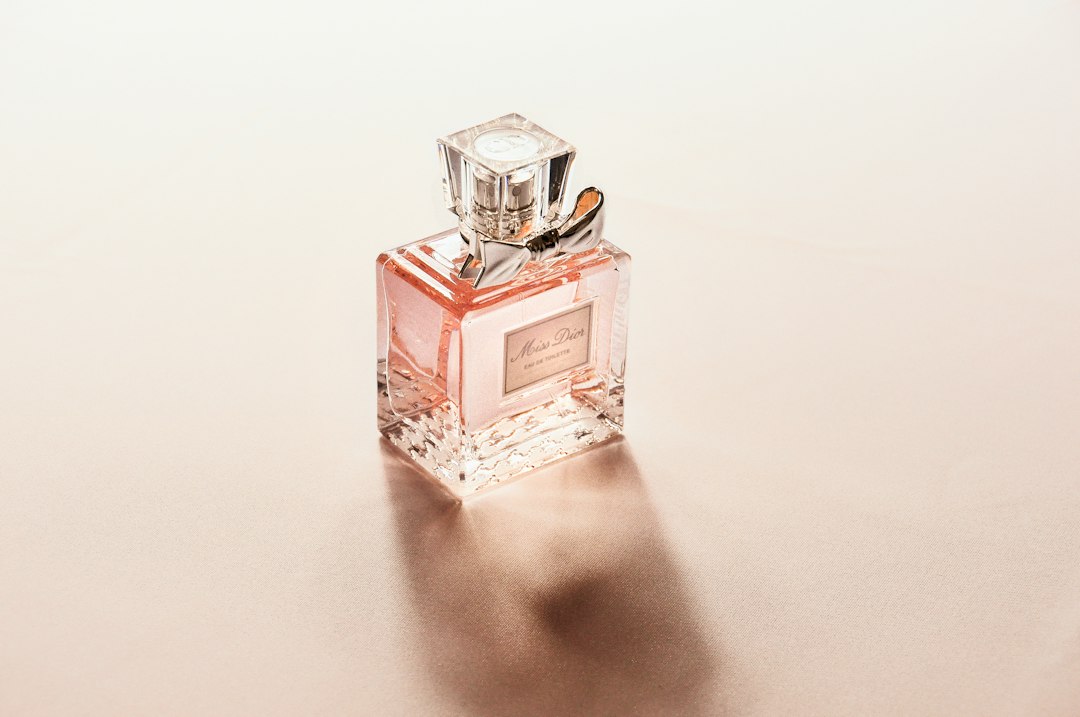
The seductive allure of a signature scent is undeniable, but the price of that olfactory pleasure can sometimes extend beyond the monetary. For decades, the fragrance industry has been dominated by synthetic designer perfumes, celebrated for their complex profiles and impressive staying power. However, a growing wave of consumers are questioning the hidden costs, particularly the potential for headaches and the use of synthetic ingredients. Enter the burgeoning world of clean, non-toxic fragrances, which promise a more natural and health-conscious approach to personal scent. This deep dive explores the critical differences between these two fragrance philosophies, focusing on the often-debated aspects of longevity and the vexing issue of headaches, ultimately guiding you toward a scent choice that aligns with both your aesthetic and your well-being.
The Allure of Designer Perfume: A Familiar Scent Profile
For many, designer perfumes represent the pinnacle of fragrance artistry. Their scents are often bold, intricate, and instantly recognizable, crafted by renowned perfumers using a palette of synthetic aroma chemicals. These are the fragrances that line the shelves of department stores, advertised with glamorous campaigns and promising an aura of sophistication and confidence. The appeal lies in their predictability and the strong scent sillage they often provide, making a statement that can last throughout the day and into the night.
Decoding Traditional Perfume Ingredients: The Synthetic Landscape
The backbone of most traditional designer perfumes is a complex array of synthetic molecules. These lab-created compounds are designed to mimic natural scents, create entirely novel aroma profiles, and, crucially, enhance performance. Common synthetic ingredients include phthalates (often used as fixatives to make scents last longer and as solvents), synthetic musks (which provide a clean, powdery base and longevity), and a vast range of aroma chemicals that replicate floral, fruity, woody, and oriental notes. While these synthetics allow for incredible creative freedom and cost-effectiveness, they are also the source of much debate regarding potential health impacts and the triggering of sensitivities.
The Longevity Promise: How Synthetics Stick Around
One of the primary selling points of designer perfumes is their longevity. This is largely thanks to the careful selection and high concentration of synthetic ingredients, particularly fixatives and base notes. Fixatives are molecules that slow down the evaporation rate of the more volatile top and middle notes, allowing the fragrance to linger on the skin for hours. Synthetic musks and woody notes, which form the base of many perfumes, are inherently less volatile and adhere strongly to skin proteins, providing a lasting scent impression. The high alcohol content in many formulations also aids in projection and initial burst, while the synthetic compounds ensure the scent doesn’t dissipate too quickly.
Common Complaints: Headaches and Designer Fragrances
Despite their sophisticated appeal, designer perfumes are frequently associated with adverse reactions, the most common being headaches. The synthetic ingredients, particularly phthalates and certain volatile organic compounds (VOCs), are often cited as culprits. These chemicals can be potent irritants for sensitive individuals, triggering migraines, nausea, or general malaise. The sheer strength and pervasive nature of synthetic fragrances can also overwhelm the olfactory system, leading to discomfort even in those without diagnosed sensitivities. The complex chemical cocktails mean that pinpointing the exact trigger can be challenging, leading many to avoid these scents altogether.
The Rise of Clean Fragrance: A Healthier Alternative?
In response to growing health and environmental consciousness, the clean fragrance movement has gained significant traction. These brands prioritize natural ingredients, ethical sourcing, and transparency in their formulations. The core philosophy is to create beautiful scents without compromising personal well-being or the planet. This often involves a return to traditional perfumery methods, utilizing the rich aromatic profiles of botanicals, essential oils, and natural extracts.
What Defines “Clean” Fragrance?: Natural Ingredients and Ethical Sourcing
The term “clean fragrance” is not strictly regulated, but it generally signifies a commitment to avoiding controversial synthetic ingredients. This typically means eschewing phthalates, parabens, synthetic musks, and potentially harsh alcohols. Instead, clean perfumes rely on essential oils, absolutes, CO2 extracts, and other plant-derived aromatic materials. Ethical sourcing, sustainability, and cruelty-free practices are also paramount for most brands in this category. The focus is on harnessing the inherent beauty and complexity of nature’s own scent library.
Longevity Challenges in Natural Perfumes: Understanding Evaporation Rates
One of the main hurdles for natural fragrances has historically been longevity. Natural aromatic compounds, particularly the volatile top and middle notes derived from flowers and citrus, tend to evaporate more quickly than their synthetic counterparts. Without the potent fixatives and stable synthetic base notes common in designer perfumes, natural scents may have a shorter-lived presence on the skin. However, advancements in natural perfumery, including the use of resins, balsams, and sustainably sourced woods, are helping to create more tenacious and longer-lasting natural formulations.
The Headache Factor: Eliminating Synthetic Triggers
The primary draw of clean fragrance for many is the significant reduction, or complete elimination, of headache triggers. By formulating without common synthetic irritants like phthalates and certain VOCs, clean perfumes offer a gentler olfactory experience. This makes them a viable option for individuals who previously found wearing any fragrance unbearable due to headaches or respiratory sensitivities. The focus shifts from overpowering projection to a more personal, skin-close scent experience that is less likely to cause discomfort.
Head-to-Head: Longevity and Scent Experience Comparison
Directly comparing clean and synthetic fragrances reveals distinct differences in their performance and the overall sensory experience. While designer scents often boast impressive tenacity, clean fragrances offer a different kind of olfactory journey—one focused on purity and well-being.
| Feature | Traditional Designer Perfume | Clean Non-Toxic Fragrance |
|---|---|---|
| Longevity (Typical) | 6-12+ hours (often requires less product) | 3-8 hours (may require reapplication) |
| Sillage/Projection | Moderate to Strong (designed to be noticed) | Subtle to Moderate (often skin-scent focused) |
| Ingredient Transparency | Often Limited (proprietary blends) | High (focus on natural sources, lists key ingredients) |
| Headache Potential | Moderate to High (due to synthetic triggers) | Low to Very Low (avoids common irritants) |
| Scent Complexity | Can be extremely complex and novel | Often draws from natural accords, can be nuanced |
| Price Range (per oz) | $50 – $300+ | $40 – $200+ |
| Ethical Considerations | Varies widely, often uses animal-derived ingredients or testing | Typically Cruelty-Free, focuses on sustainable sourcing |
Real-World Longevity Tests: Designer vs. Clean Fragrance
In practical terms, designer perfumes often win the endurance test. A spritz of a popular synthetic scent like Dior Sauvage or Chanel No. 5 can typically be detected hours later, sometimes even the next day on clothing. This is a deliberate design choice, prioritizing a scent that announces its presence and lingers. Clean fragrances, while improving, generally require more frequent application. A fragrance from a brand likeährend, Ellis Brooklyn, or Goop, while beautiful and nuanced, might fade to a softer skin scent within 4-6 hours, necessitating a reapplication for all-day presence. This isn’t necessarily a flaw, but a characteristic of their natural composition.

Scent Evolution: How Each Type Develops on the Skin
The journey of a scent on the skin, or its evolution, also differs. Designer perfumes, with their structured top, middle, and base notes often bolstered by synthetics, follow a predictable trajectory. The initial bright opening gives way to a heart, and finally settles into a long-lasting base. Clean fragrances can exhibit a more organic evolution. Top notes from citrus or herbs might sing vibrantly before a more grounded floral or woody heart emerges, often anchored by richer, slower-evaporating natural elements like resins or spices. The overall profile might feel more dynamic and less rigidly structured than a synthetic blend.
The Impact on Well-being: Migraines vs. Pure Enjoyment
This is where the divergence becomes most personal. For individuals sensitive to synthetic chemicals, the choice is clear: clean fragrance offers the possibility of enjoying scent without the consequence of debilitating headaches or nausea. The relief from physical discomfort allows for pure enjoyment of the aroma. For those unaffected by synthetics, designer perfumes can still provide immense olfactory pleasure, but the potential risk of adverse reactions remains a consideration, especially in shared or enclosed spaces where intense sillage can affect others.
Pros of Traditional Designer Perfume
- Exceptional longevity and projection.
- Vast range of complex and novel scent profiles.
- Often more budget-friendly for high performance.
- Widely available and recognizable brands.
Cons of Traditional Designer Perfume
- Potential for headaches and sensitivities due to synthetic ingredients.
- Lack of ingredient transparency.
- Environmental concerns regarding some synthetic compounds.
- Can be overpowering in close proximity.
Pros of Clean Non-Toxic Fragrance
- Significantly reduced risk of headaches and sensitivities.
- High ingredient transparency and natural sourcing.
- Often ethically produced (cruelty-free, sustainable).
- More natural and nuanced scent profiles.
Cons of Clean Non-Toxic Fragrance
- Generally shorter longevity and weaker projection.
- May require reapplication throughout the day.
- Can be more expensive due to quality natural ingredients.
- Scent library may be perceived as less “novel” by some.
Navigating the Fragrance Market: What to Look For
Choosing between these fragrance types requires understanding what constitutes “clean” and how to maximize the performance of natural scents.
Identifying Truly Non-Toxic Brands
Look beyond marketing terms. Reputable clean fragrance brands will be transparent about their ingredient lists, often highlighting what they *exclude* (phthalates, parabens, etc.) and detailing the natural origins of their scent components. Certifications like Leaping Bunny (cruelty-free) or ECOCERT can be good indicators. Research brands that focus on essential oils, absolutes, and botanical extracts, and prioritize those that openly share their formulation philosophy.
Maximizing Longevity with Clean Fragrances
To extend the life of a clean fragrance, apply it to well-moisturized skin, as oils and lotions provide a better base for scent molecules to adhere to. Target pulse points like wrists, neck, and décolletage. Applying fragrance to hair (avoiding alcohol-heavy formulas directly on the scalp) can also help diffuse the scent throughout the day. Layering a complementary unscented lotion or body oil before fragrance application can create a subtle scent anchor.
When to Choose Designer, When to Opt for Clean
Designer fragrances are a strong choice for specific occasions demanding a powerful, long-lasting scent statement, such as a formal evening event or a significant social gathering where scent projection is desired and the potential for headaches is minimal (e.g., if you’re outdoors or have ample personal space). Conversely, clean fragrances are ideal for daily wear, office environments, close-contact situations, or for anyone prioritizing health and well-being. They are perfect for those seeking a subtle, personal aura or who have experienced negative reactions to traditional perfumes.

Expert Insights and Consumer Experiences (2026)
The conversation around natural versus synthetic fragrance is ongoing, with experts and consumers alike weighing in on the nuances of performance, safety, and sensory experience.
Perfumer Perspectives on Natural vs. Synthetic
Many perfumers acknowledge the technical advantages of synthetics in achieving extreme longevity and novel scent profiles. However, there’s a growing appreciation for the complexity and evolving nature of natural ingredients. Modern natural perfumery techniques focus on co-distillation, advanced extraction methods, and creative blending of resins, woods, and spices to create longer-lasting, sophisticated compositions that rival synthetics in artistry, if not always in sheer endurance.
User Reviews: Tackling Longevity and Headache Concerns
Consumer feedback frequently highlights the trade-off: “I love the smell of X designer perfume, but it gives me a splitting headache within an hour,” is a common refrain. Conversely, users of clean fragrances often praise the absence of adverse effects. “I can finally wear perfume again without feeling sick!” is a recurring sentiment. While some users note the need for reapplication with clean scents, many find the peace of mind and pleasant, natural aroma far outweigh the inconvenience. Online reviews and forums dedicated to fragrance often feature detailed comparisons of longevity, with users meticulously tracking how long specific scents last on their skin under various conditions.

Final Verdict: Your Guide to Scent Without Sacrifice (2026)
👑 Ultimate Winner: Clean Non-Toxic Fragrance (for Health-Conscious Consumers)
For the discerning individual prioritizing well-being alongside olfactory pleasure, Clean Non-Toxic Fragrance emerges as the champion. While traditional designer perfumes may offer superior longevity and projection due to their synthetic formulations, the potential cost—headaches, sensitivities, and unknown long-term health effects—is too significant for many. The rise of sophisticated clean fragrances, utilizing high-quality natural ingredients and transparent practices, provides a viable and often beautiful alternative. These scents allow for personal expression without compromising health. While reapplication might be necessary, the peace of mind and the pure, natural aroma offer a more sustainable and enjoyable long-term relationship with fragrance. It represents a conscious choice to embrace scent as a form of self-care, not a potential irritant. This approach is Best for daily wear, office environments, individuals with sensitivities, and anyone seeking a more mindful approach to personal fragrance.
Best for those prone to headaches or seeking natural alternatives: Clean Non-Toxic Fragrance.
Best for significant longevity and powerful scent projection for special occasions (with caution for sensitivities): Traditional Designer Perfume.
Ultimately, the fragrance world is vast, and personal preference reigns supreme. However, understanding the fundamental differences in ingredients, performance, and potential impact allows for a more informed and healthier choice. The trend towards cleaner formulations signifies a positive shift, making beautiful scent accessible to a wider audience, proving that you don’t have to sacrifice your well-being for a captivating aroma.
