Choosing the right shirt fabric for scorching summer days can feel like a gamble. Will it breathe, or will it trap heat and humidity, leaving you feeling sticky and uncomfortable? Two perennial favorites, French linen and cotton poplin, often vie for the top spot in warm-weather wardrobes. But which truly reigns supreme when the temperature skyrockets? This in-depth comparison unpacks the unique properties of each, dissects their performance under duress, and helps you make the smartest choice for your summer 2026 style and comfort.
The Ultimate Showdown: French Linen vs. Cotton Poplin for Summer
Summer heat demands fabrics that work *with* your body, not against it. The ideal summer shirt should offer exceptional breathability, wick moisture effectively, feel light and comfortable against the skin, and ideally, possess a certain aesthetic charm. French linen, renowned for its natural cooling properties, and cotton poplin, a long-standing wardrobe workhorse, both promise these benefits. However, their construction, fiber characteristics, and inherent qualities lead to distinct performance profiles. Let’s dive into what makes each fabric tick and how they stack up when the mercury climbs.
French Linen: The King of Summer Breathability?
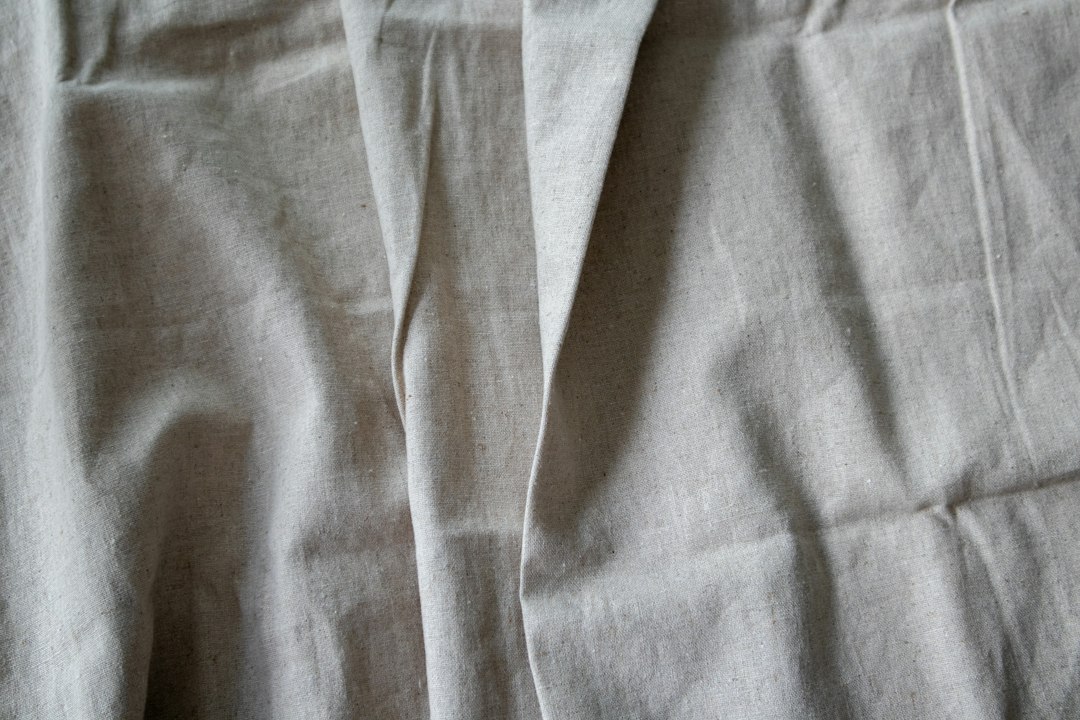
Hailing from flax plants, linen is one of the oldest textiles known to humankind. French linen, specifically, is often lauded for its superior quality due to the ideal growing conditions in France, which yield long, strong flax fibers. These fibers are spun into yarns that create a fabric with a naturally open weave and a distinct slub texture. This structure is key to its legendary breathability. Linen fibers are hollow, allowing air to circulate freely and moisture to evaporate quickly. It has a higher thermal conductivity than cotton, meaning it transfers heat away from the skin more efficiently. This makes it feel cool to the touch and actively work to regulate body temperature. Its inherent charm lies in its relaxed, slightly rumpled appearance, which is part of its appeal for a laid-back summer vibe. While it wrinkles, this is often seen as a desirable characteristic, adding to its effortless character rather than detracting from it.

Cotton Poplin: The Enduring Summer Staple
Cotton poplin is a tightly woven fabric made from 100% cotton. Its characteristic smooth, crisp feel and subtle sheen come from its plain weave structure, where warp and weft threads interlace one over and one under. This tight weave makes cotton poplin durable and resistant to creasing compared to many other cotton weaves. It’s a highly versatile fabric, familiar in everything from dress shirts to bedsheets. While cotton is a natural fiber and inherently breathable to some extent, its ability to wick moisture and manage heat isn’t quite as pronounced as linen’s. Cotton absorbs moisture and can hold onto it, which can lead to a damp, clingy feeling in very high humidity or during intense activity. However, its smooth finish and crispness make it a favorite for a more polished, structured look, and it’s generally more affordable and easier to care for than linen.
Unpacking the Key Differences: Breathability, Feel, and Durability
The subtle yet significant differences between French linen and cotton poplin emerge when you examine their core attributes. These distinctions dictate how they perform in various summer conditions and what kind of aesthetic they lend themselves to.
Breathability Test: Which Fabric Keeps You Coolest?
When direct comparison is made, French linen consistently outperforms cotton poplin in breathability. The inherent hollow nature of flax fibers and the typically looser weave of linen allow for superior air circulation. Studies and practical wear tests show that linen can lower skin temperature more effectively than cotton. Its high moisture-wicking capability means that even when you sweat, the fabric helps to pull that moisture away from the skin and allows it to evaporate rapidly into the air, creating a cooling effect. Cotton poplin, while breathable, has a denser weave and less efficient moisture management. It absorbs moisture but doesn’t release it as quickly, which can make it feel warmer and damper in prolonged high heat and humidity.
The Hand Feel: From Crisp to Soft – What to Expect
The tactile experience of wearing a shirt is crucial for summer comfort. French linen initially has a slightly crisp, textured feel. With each wash and wear, however, it softens considerably, becoming exceptionally supple and pleasant against the skin. Its unique slub texture provides a subtle tactile interest. Cotton poplin, on the other hand, is known for its smooth, cool, and crisp hand feel right from the start. It’s slick and refined, offering a clean finish. While it doesn’t typically soften and change as dramatically as linen, good quality cotton poplin remains comfortable and smooth throughout its lifespan.
Wrinkle Charm vs. Pristine: The Battle of the Crease
This is perhaps the most defining visual difference. French linen is famous for its wrinkles. These aren’t necessarily signs of neglect but rather a characteristic of the fiber’s structure. The creases that form in linen are often described as having “charm” or “character,” contributing to its relaxed, casual aesthetic. They tend to relax out somewhat as the fabric drapes on the body. Cotton poplin, due to its tight weave and fiber properties, is much more wrinkle-resistant. It holds a crisp, sharp appearance for longer, making it the preferred choice for more formal or business-casual settings where a pristine look is desired. While it will eventually crease, it does so much less readily than linen.
Durability & Care: Longevity in the Summer Sun
Both French linen and cotton poplin are durable fabrics when cared for properly. Linen fibers are exceptionally strong, making linen garments very long-lasting. In fact, linen is often said to become stronger when wet. However, it can be prone to abrasion if rubbed harshly, and some care needs to be taken to avoid excessive heat in washing or drying, which can degrade the fibers over time. Cotton poplin is also very durable, thanks to its tight weave. It holds up well to frequent washing and wear. Both fabrics generally benefit from being washed in cool or warm water and air-dried to maintain their integrity and minimize shrinkage. While cotton poplin might be slightly more forgiving in terms of basic care, high-quality French linen is a worthwhile investment for its exceptional longevity and comfort.
| Feature | French Linen | Cotton Poplin |
|---|---|---|
| Breathability | Exceptional (Hollow fibers, open weave) | Good (Tightly woven, but denser) |
| Moisture Wicking | Excellent (Evaporates quickly) | Moderate (Absorbs and holds moisture) |
| Feel | Initially crisp, softens significantly with wear | Smooth, crisp, cool |
| Wrinkle Resistance | Very Low (Wrinkles are part of its charm) | High (Maintains a crisp appearance) |
| Durability | Excellent (Strong fibers) | Very Good (Tight weave) |
| Care | Gentle wash, air dry recommended | Generally easy care, machine washable |
| Aesthetic | Relaxed, casual, natural | Crisp, polished, structured |
| Price Range (Shirt) | $$ – $ (Mid-Range) ($70 – $200+) | $ – $$ ($30 – $120) |
Performance in Extreme Summer Heat: A Real-World Comparison
When the sun is relentless and the humidity is high, the subtle differences between French linen and cotton poplin become starkly apparent. This section assesses their performance in the most challenging summer conditions.
Sweat Management: Which Fabric Wicks Better?
In conditions that induce heavy sweating, French linen demonstrates its superiority. Its hollow fibers and open weave allow sweat to be rapidly wicked away from the skin and dispersed across the fabric’s surface, where it can evaporate. This process actively cools the body. Cotton poplin, while it can absorb moisture, tends to become saturated more quickly. Once saturated, it loses its breathability and can feel damp and heavy, clinging to the skin and hindering the body’s natural cooling mechanism. For athletes or those engaged in strenuous activity in the heat, linen’s superior sweat management is a critical advantage.
Airflow Dynamics: How Each Fabric Breathes When You Need It Most
The construction of the fabric dictates its airflow. Linen’s inherent structure, often characterized by a slightly more irregular weave with small gaps, permits exceptional air circulation. This means that even when worn loosely, air can move freely around the body, carrying away heat and moisture. Cotton poplin, with its tight, uniform weave, offers less dynamic airflow. While it allows some air passage, it doesn’t facilitate the same level of convective cooling as linen. In sweltering, still air conditions, the superior airflow of linen makes a noticeable difference in perceived comfort.
Long-Term Wear Test: Comfort from Dawn Till Dusk
During a full day in the summer heat, the comfort profile evolves. A French linen shirt starts cool and breathable and maintains this sensation throughout the day. As it absorbs minimal perspiration, it resists that clammy feeling. The fabric also tends to drape well, preventing it from feeling constricting. A cotton poplin shirt might feel crisp and comfortable for the first few hours, especially in moderate conditions. However, as the day wears on and body temperature rises, it can begin to feel warmer and potentially sticky, particularly if the humidity is high or if there’s significant physical exertion. The preference for long-term wear often tips towards linen for its consistent thermal regulation.

When to Choose French Linen for Your Summer Wardrobe
French linen is an exceptional choice for those prioritizing maximum breathability, natural cooling, and an effortlessly chic aesthetic. It excels in specific scenarios where its unique properties shine brightest.
Ideal Scenarios for French Linen Shirts
French linen is perfect for hot and humid climates where staying cool is paramount. It’s ideal for casual outings, beach vacations, al fresco dining, and everyday wear when the temperature is consistently high. If you tend to run warm or are particularly sensitive to heat, linen is your go-to. It’s also excellent for travel, as it dries quickly and its wrinkles often go unnoticed or add to its charm. For occasions requiring a relaxed yet refined look, such as summer garden parties or casual Fridays in a creative office environment, linen strikes a perfect balance.
Styling Tips for the Effortless Linen Look
Embrace the natural drape and texture of linen. Pair a linen shirt with linen trousers, chino shorts, or even tailored swim trunks for a cohesive summer ensemble. Roll up the sleeves for a laid-back vibe. Don’t be afraid of its inherent wrinkles; they are part of its appeal. Accessorize with leather sandals, espadrilles, or simple canvas sneakers. For a slightly more dressed-up look, layer a linen shirt under a lightweight blazer or pair it with tailored cotton trousers, allowing the linen’s texture to add an interesting contrast. The key is to lean into its relaxed nature.
When to Opt for Cotton Poplin This Summer
Cotton poplin remains a steadfast choice for its versatility, crisp appearance, and excellent value. It’s the reliable option for when a more polished look is desired or when conditions are warm but not oppressively hot.
Ideal Scenarios for Cotton Poplin Shirts
Cotton poplin shines in business-casual settings, smart-casual events, and even more formal summer occasions where a sharp appearance is key. It’s the workhorse for office wear in warmer months, offering a professional look without overheating. It’s also suitable for dates, dinners, and events where you want to look put-together and neat. While it performs well in warm weather, it might be less ideal for extreme, sticky heat or high-intensity activities compared to linen. It’s a great everyday option for those who prefer a crisper, smoother feel and a more structured silhouette.
Styling Tips for the Crisp Poplin Aesthetic
Cotton poplin lends itself to a sharper, more tailored aesthetic. Pair a poplin shirt with well-fitting chinos, tailored shorts, or wool trousers. Tuck it in for a professional look or wear it untucked with smart-casual bottoms for a clean, contemporary style. It layers exceptionally well under blazers, sport coats, and lightweight sweaters. Accessories like loafers, brogues, or clean leather sneakers complement its polished finish. If you’re aiming for a classic, sharp summer look, cotton poplin is your reliable foundation.

Beyond the Basics: Hidden Factors in Your Summer Shirt Choice
While fabric type is primary, other considerations can influence your decision between French linen and cotton poplin, impacting not only performance but also sustainability and cost.
Weave Matters: Understanding Different Textile Constructions
The weave isn’t uniform within each fabric category. Linen can range from a very fine, tight weave (almost like a linen-cotton blend) to a very open, airy gauze. Similarly, cotton poplin is known for its tight plain weave, but variations exist. A very fine poplin will feel lighter and smoother than a coarser one. Understanding the specific weave of a garment can provide clues to its breathability and drape. Generally, a looser weave translates to better airflow, whether it’s linen or cotton. However, the inherent fiber properties still play a major role.
The Environmental Footprint: Sustainable Choices for Summer
When considering sustainability, French linen often has an edge. Flax plants require significantly less water and fewer pesticides to grow compared to conventional cotton. Linen production is generally less resource-intensive. Cotton, especially conventionally grown cotton, can be a thirsty crop and often relies heavily on pesticides and insecticides. Organic cotton offers a more sustainable alternative, but the water usage can still be substantial. If eco-consciousness is a priority, French linen presents a compellingly sustainable choice.
Cost Analysis: Value for Money in French Linen vs. Cotton Poplin
Typically, French linen garments are more expensive than their cotton poplin counterparts. This is due to the labor-intensive process of growing, harvesting, and processing flax, as well as the often higher quality of French linen production. Cotton poplin, being more widely produced and with simpler processing, is generally more affordable. However, the value proposition for linen lies in its exceptional durability and unparalleled comfort in heat. A well-made linen shirt can last for many years, potentially offering better long-term value despite its higher initial cost, especially if comfort and performance in heat are your primary concerns.
Expert Verdict: Making the Right Choice for Your Summer 2026 Wardrobe
After dissecting their performance, aesthetics, and practical considerations, the choice between French linen and cotton poplin for summer 2026 boils down to your priorities and intended use. Both are excellent fabrics, but they serve different needs within a warm-weather wardrobe.
Top French Linen Shirt Recommendations
Look for brands specializing in natural fibers. Brands like Alex Mill offer impeccably tailored linen shirts with a modern cut. Mr. P. (Mr Porter’s in-house brand) provides classic linen button-downs. For a more artisanal feel, consider brands like Officine Générale or Sunspel, known for their high-quality fabrics and refined designs. These brands typically use premium French or European flax, ensuring excellent breathability and a luxurious feel. Expect prices generally ranging from $90 to $250 for a quality linen shirt.
Top Cotton Poplin Shirt Recommendations
Reliable brands for quality cotton poplin shirts include Brooks Brothers for their classic American styling and enduring quality. Uniqlo offers affordable, well-made poplin shirts in a variety of fits and colors. J.Crew provides a good balance of style and quality for modern interpretations of the classic poplin shirt. For those seeking premium options, Ralph Lauren and Tom Ford offer luxurious poplin shirts with impeccable tailoring. Prices can range from $30 for mass-market options to $200+ for designer labels.
The Final Verdict: Which Fabric Reigns Supreme for Summer Comfort?
👑 Ultimate Winner: French Linen for Extreme Summer Heat
For the ultimate in summer comfort, particularly in hot and humid conditions or when prioritizing active cooling and breathability, French Linen is the undisputed champion. Its inherent ability to manage moisture, facilitate airflow, and keep skin temperature lower makes it unmatched when the mercury truly soars. While cotton poplin is a versatile and reliable choice for more moderate warmth or when a crisp aesthetic is key, it cannot compete with linen’s performance in extreme heat. The “wrinkle charm” of linen is a small price to pay for the superior comfort it provides. If your goal is to beat the summer heat and stay comfortable from dawn till dusk, invest in French linen.
Ultimately, a well-rounded summer wardrobe benefits from having both fabrics. Use French linen for its superior cooling in the peak of summer heat and during active wear, and rely on cotton poplin for its crispness and versatility in more moderate conditions or for occasions demanding a polished look. Both offer timeless style, but for pure heat-beating performance, French linen stands alone.
