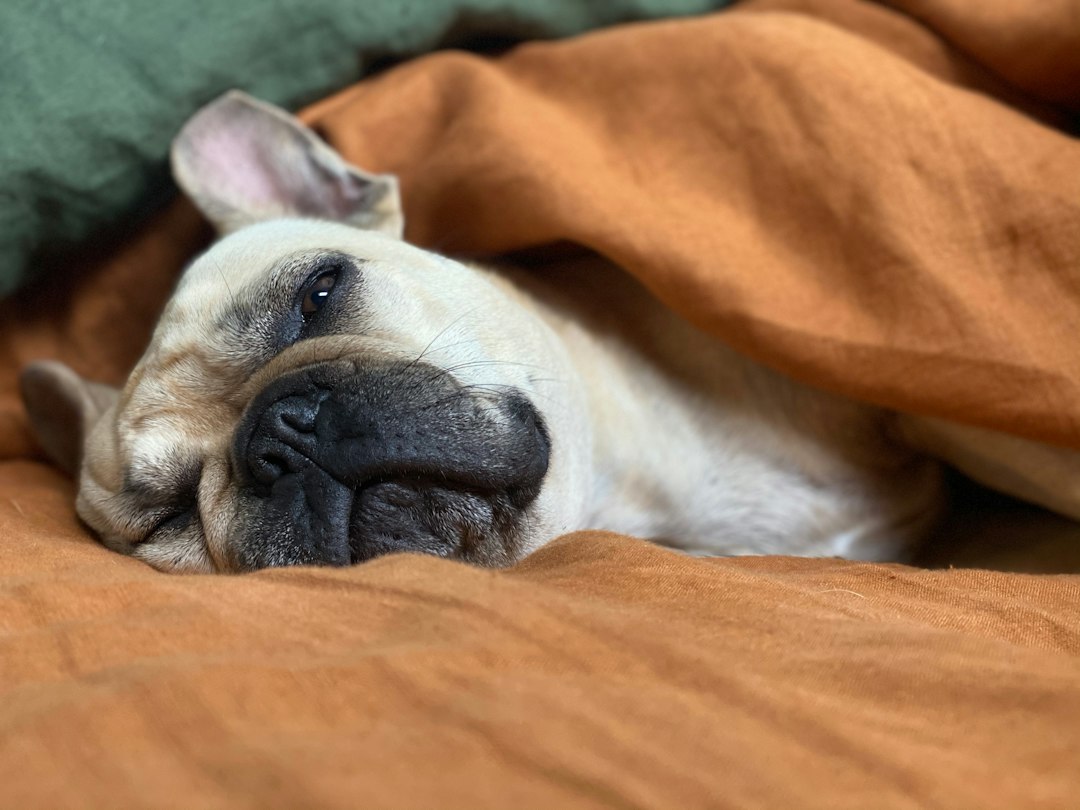
When it comes to achieving a truly restful night’s sleep, the quality of your bedding plays a pivotal role. Among the most coveted natural fibers for sheets are French linen and Egyptian cotton. Both are celebrated for their comfort and durability, but they offer distinct sensory experiences and performance characteristics. This deep dive dissects the nuances of each, comparing their breathability, texture, and longevity to guide your ultimate 2026 bedding investment.
The Core Differences: Unpacking Linen vs. Cotton Fibers
The foundation of any sheet’s performance lies in its raw material. Linen and cotton, while both plant-based, are derived from entirely different botanical sources and possess unique cellular structures that dictate their feel, function, and durability.
French Linen: Origin, Production, and Unique Properties
French linen, renowned for its superior quality, originates from the flax plant (Linum usitatissimum) cultivated predominantly in Northern France. The fibers are extracted from the stem of the flax plant through a process called retting, which breaks down the pectin that binds the fibers together. This mechanical and often water-assisted process is crucial for yielding long, strong, and lustrous linen fibers. Unlike cotton, flax plants require minimal water and pesticides, positioning linen as a highly sustainable textile choice. The inherent structure of linen fibers is hollow and possesses nodes, contributing to its exceptional breathability and moisture-wicking capabilities. These hollow channels allow air to circulate freely, drawing moisture away from the body and facilitating rapid evaporation, which is key to keeping cool.

- Exceptional breathability and temperature regulation.
- Highly durable and becomes softer with each wash.
- Hypoallergenic and antimicrobial properties.
- Sustainable and eco-friendly production.
- Unique, natural texture that ages beautifully.
- Can feel stiff initially before softening.
- Prone to wrinkling, which is part of its aesthetic.
- Typically more expensive upfront than cotton.
Egyptian Cotton: Cultivation, Weaving, and Defining Characteristics
Egyptian cotton is prized for its extra-long staple (ELS) fibers, which are significantly longer than those of other cotton varieties. These longer fibers result in stronger, finer yarns that can be woven into exceptionally smooth, soft, and lustrous fabrics with minimal pilling. Grown primarily along the Nile River delta in Egypt, its unique climate and fertile soil contribute to the fiber’s exceptional quality. The ELS fibers allow for a higher thread count, often associated with a luxurious feel. Cotton fibers have a naturally absorbent quality, which can be beneficial for wicking away some moisture, though they tend to hold onto it longer than linen.
- Incredibly soft, smooth, and luxurious feel.
- High thread counts contribute to a dense, comfortable weave.
- Good absorbency and a familiar, comforting feel.
- Durable when properly cared for.
- Can trap heat and moisture if not managed well.
- Can be prone to pilling with lower thread counts or rough handling.
- Production can be more water and resource-intensive than linen.
- Less breathable than linen for very hot sleepers.
Breathability Showdown: Which Sheet Keeps You Cooler?
For many, the primary concern when selecting bed linens is temperature regulation. Both French linen and Egyptian cotton offer breathability, but their mechanisms and effectiveness differ, particularly under varying conditions.
Linen’s Natural Airflow: How it Regulates Temperature
Linen’s hollow fiber structure is the key to its superior breathability. This natural aeration allows for constant airflow, preventing heat buildup. As it wicks moisture away from the skin, it facilitates rapid evaporation, creating a cooling effect. This makes linen an excellent choice for warmer climates and for individuals who tend to sleep hot. Its thermoregulating properties mean it can help keep you cool in the summer and surprisingly comfortable in cooler months by not trapping excess body heat.
Cotton’s Absorbency: Pros and Cons for Sleep Comfort
Egyptian cotton’s absorbency is a double-edged sword. While it effectively draws moisture away from the skin, it also tends to hold onto that moisture more than linen. This can be comfortable for those who prefer a slightly more ‘hugged’ feeling or who experience mild sweating. However, for heavy night sweaters or in extremely humid environments, cotton can become saturated, leading to a damp, clammy sensation. The weave and thread count significantly influence cotton’s breathability; a percale weave (a one-thread-under, one-thread-over pattern) is generally more breathable than a sateen weave (which uses more threads and creates a smoother, denser fabric).
Real-World Testing: Fan vs. Fan – Which Wins on a Warm Night?
Imagine a humid summer night with the fan on high. In this scenario, linen truly shines. Its rapid evaporation and constant airflow prevent that sticky feeling that can accompany sleeping on cotton. While high-quality, high-thread-count Egyptian cotton sheets can still be comfortable, they are more likely to retain some residual heat and moisture compared to the refreshing coolness offered by linen. A study on textile thermoregulation would likely show linen maintaining a lower surface temperature and higher moisture vapor transmission rate under such conditions, translating to a more consistently comfortable sleep.
| Feature | French Linen | Egyptian Cotton |
|---|---|---|
| Mechanism | Hollow fibers, high airflow, rapid evaporation | Absorbent fibers, can retain moisture |
| Performance in Heat | Excellent; naturally cooling | Good; can feel warm/damp if heavily sweating |
| Performance in Cold | Comfortable; adapts well | Comfortable; can feel warmer |
| Moisture Wicking | Superior; quick-drying | Good; slower evaporation |
Texture Deep Dive: From Crisp to Cozy
The tactile experience of bed linens is subjective but crucial for comfort. Linen and cotton offer distinct textures that evolve over time and with care.
The Evolution of Linen: From Stiff to Luxuriously Soft
When new, French linen sheets can have a slightly crisp or even stiff texture. This is due to the natural stiffness of the flax fibers and the way they are woven. However, this initial texture is precisely what allows linen to soften and improve with age and use. Each wash and dry cycle breaks down the fibers further, and the more you sleep on them, the more they conform to your body and soften. The result is a uniquely comforting, lived-in feel that many find unparalleled. Linen also has a natural, subtle slub or texture that adds visual and tactile interest.
Cotton’s Silky Smoothness: Exploring Thread Count and Weave
Egyptian cotton is celebrated for its inherent softness and smooth finish, largely attributed to its long staple fibers. These fibers allow for the creation of finer yarns, which can then be woven at higher thread counts. A higher thread count (typically above 400) generally results in a denser, silkier, and more substantial feel. The weave also plays a significant role; percale cotton offers a crisp, cool feel, while sateen cotton provides a smoother, more lustrous, and slightly warmer drape. The consistent, uniform fiber length contributes to a refined, sometimes described as ‘silky,’ texture that many associate with luxury bedding.
User Preferences: Texture That Suits Your Sleep Style
Ultimately, texture preference is personal. Those who enjoy a crisp, breathable feel that softens over time, and who don’t mind a bit of natural wrinkling, will gravitate towards linen. Its texture is often described as rustic yet refined, becoming more personal with every use. On the other hand, individuals seeking immediate, consistent smoothness and a more traditional, plush comfort often prefer Egyptian cotton. The silken touch and predictable softness are mainstays for many seeking a classic luxurious bedroom experience. For those who are sensitive to texture, the subtle variations in linen might be a draw, while the uniform smoothness of high-quality cotton might be more universally appealing.
| Attribute | French Linen | Egyptian Cotton |
|---|---|---|
| Initial Feel | Crisp, slightly stiff, natural texture | Smooth, soft, silky |
| Feel After Washing/Use | Becomes progressively softer, more pliable | Remains consistently soft, can soften further |
| Weave Variations | Typically a looser, breathable weave | Percale (crisp), Sateen (smooth, lustrous) |
| Surface Texture | Slightly slubby, natural variations | Uniform, fine, smooth |
Longevity & Durability: Investing in Your Sleep
Investing in quality sheets means choosing materials that will last. Both French linen and Egyptian cotton are known for their durability, but their longevity is influenced by fiber structure, construction, and care.
Linen’s Remarkable Resilience: Standing the Test of Time
Linen fibers are among the strongest natural fibers, significantly stronger than cotton. This inherent strength, combined with the way linen fabrics are typically woven (often in a looser, more open weave that allows for flexibility), makes them exceptionally durable. Linen sheets are known to last for decades, even generations, becoming stronger and softer with each wash. They resist stretching and breaking, meaning they can withstand regular use and frequent laundering without degrading quickly. This long lifespan makes linen a truly sustainable and economical choice in the long run, despite its higher initial cost.
Cotton’s Strength and Potential Weaknesses Over Years
High-quality Egyptian cotton, particularly with ELS fibers and higher thread counts, is also very durable. The long, smooth fibers create strong yarns that resist breakage. However, cotton can be more susceptible to wear from abrasion, harsh detergents, or over-drying, which can lead to fiber damage and pilling over time, especially in lower thread count fabrics. While durable, cotton sheets may not possess the same generational longevity as linen. Their lifespan is often measured in years rather than decades, and their performance can degrade more noticeably if not cared for meticulously.
Care and Maintenance: Preserving Your Investment
Proper care is crucial for maximizing the lifespan of both linen and cotton sheets.
For French Linen: Machine wash on a gentle cycle with cold or lukewarm water and a mild detergent. Avoid using bleach or fabric softeners, which can degrade the fibers. Tumble dry on low heat or hang to dry. Linen is best when line-dried, and slight dampness upon removal helps minimize wrinkles. Ironing linen is possible but often unnecessary, as the natural wrinkles are part of its charm.
For Egyptian Cotton: Machine wash on a warm cycle with a mild detergent. Bleach can be used sparingly on white cotton if needed, but colored cotton should be washed with like colors. Tumble dry on medium heat. Avoid over-drying, which can cause shrinkage and damage fibers. For a crisp finish, iron while damp. High-quality cottons with high thread counts benefit from careful handling to maintain their smooth texture.
| Aspect | French Linen | Egyptian Cotton |
|---|---|---|
| Fiber Strength | Very High | High (especially ELS) |
| Expected Lifespan | Decades, generational | Years, depends on quality and care |
| Durability | Excellent; strengthens with age | Good; can degrade with harsh use |
| Care Requirement | Gentle cycle, cool water, air dry recommended | Warm wash, medium dry, avoid over-drying |
| Wrinkle Factor | High (inherent aesthetic) | Low to moderate (especially sateen) |
French Linen Sheets: Top Picks for 2026
French linen bedding offers a unique blend of rustic charm, exceptional breathability, and remarkable longevity. While often an investment, its enduring qualities make it a worthwhile choice for discerning sleepers.
Best Overall French Linen Sheet Set: Magic Linen 100% European Flax Linen Bedding Set
Magic Linen consistently delivers high-quality, 100% European Flax certified linen. Their bedding sets are known for their beautiful drape, natural softness that improves with washing, and excellent temperature regulation. The weave is substantial yet breathable, offering a perfect balance for year-round comfort. Available in a wide range of sophisticated, earthy tones, they provide both sensory and aesthetic appeal.
Best Value French Linen Sheets: Quince 100% European Flax Linen Sheet Set
Quince has made a name for itself by offering direct-to-consumer luxury at accessible prices. Their European Flax linen sheets are Oeko-Tex certified, ensuring they are free from harmful substances. They provide the signature linen breathability and softening texture at a significantly lower price point than many competitors, making high-quality linen more attainable.
Best for Hot Sleepers: Brooklinen Linen Core Sheet Set
Brooklinen’s linen collection is designed with comfort and breathability at its forefront. Made from 100% European Flax, these sheets have a slightly lighter feel and a weave that maximizes airflow, making them an excellent choice for hot sleepers or those living in warmer climates. They offer a beautifully relaxed aesthetic straight from the dryer.
Egyptian Cotton Sheets: Top Picks for 2026
Egyptian cotton remains a benchmark for luxury bedding due to its unparalleled softness, smooth finish, and classic comfort. These sheets offer a premium sleep experience for those who value a silky touch.
Best Overall Egyptian Cotton Sheet Set: Matouk Nocturne Collection
Matouk’s Nocturne collection is crafted from the finest long-staple Egyptian cotton, woven into a lustrous percale. This creates a sheet that is exceptionally smooth, crisp, and breathable, offering a refined and cool sleeping surface. The quality of the cotton and the meticulous weaving process result in a durable and luxurious feel that stands the test of time.
Best Value Egyptian Cotton Sheets: Mellanni Bed Sheet Set (Often High Thread Count Cotton Blend with Egyptian Cotton Claims)
While finding pure, certified Egyptian Cotton at a very low price is rare, brands like Mellanni often offer high-thread-count cotton blends that mimic the softness and feel of Egyptian cotton at a fraction of the cost. Many customers report satisfaction with their softness and durability for the price, making them a popular budget-friendly option for those seeking a smooth, comfortable sheet.
Best for Softness Seekers: Sferra Festival Percale
Sferra is synonymous with high-end Italian linens, and their Festival Percale collection is a testament to this. Made from 100% Egyptian cotton, these sheets are known for their exceptional softness and a crisp finish that only improves with washing. The fine yarns and precise weaving create a smooth, cool, and comforting experience that is hard to beat for pure tactile pleasure.
FAQ: Your Burning Questions About Linen vs. Cotton Sheets Answered
Do Linen Sheets Wrinkle More Than Cotton?
Yes, linen is inherently prone to wrinkling due to the natural structure of its fibers. These wrinkles are often considered part of linen’s relaxed, casual aesthetic. While cotton also wrinkles, high-quality cotton weaves (like sateen) are generally more resistant, and wrinkles tend to be less pronounced than with linen. However, both can be minimized by removing sheets promptly from the dryer and folding or hanging them immediately.
Is Egyptian Cotton Worth the Higher Price Tag?
For many, the luxurious softness, smooth texture, and refined feel of genuine Egyptian cotton justify its higher price. Its extra-long staple fibers lead to superior durability and a more comfortable sleep experience, especially for those who prioritize a silky, cool surface. If budget is a primary concern, high-quality Pima cotton or well-constructed cotton blends can offer similar comfort, but true Egyptian cotton provides a distinct level of luxury.
Which Material is Better for Allergies?
Both French linen and Egyptian cotton are natural, hypoallergenic materials. However, linen often gets a slight edge due to its inherent antimicrobial and moisture-wicking properties, which can help reduce the growth of bacteria and dust mites. Its breathability also means less trapped heat and moisture, creating a less hospitable environment for allergens. Cotton, being highly absorbent, can sometimes hold onto allergens if not washed regularly and thoroughly.
How Often Should You Wash Linen vs. Cotton Sheets?
Both linen and cotton sheets benefit from regular washing, ideally every 1-2 weeks, to maintain hygiene and preserve the fabric. Linen can generally withstand more frequent washing than cotton and actually improves with it. For Egyptian cotton, particularly those with higher thread counts or delicate weaves, it’s important to follow care instructions to prevent premature wear and tear. Using a gentle cycle and mild detergent is recommended for both materials.
👑 Ultimate Winner: French Linen Sheets
For the discerning sleeper prioritizing unparalleled breathability, natural temperature regulation, and enduring longevity, French linen emerges as the Ultimate Winner for 2026. Its unique ability to keep you cool and dry, coupled with a texture that softens and improves with age, offers a superior sleep experience, especially for hot sleepers or those in warmer climates. While Egyptian cotton provides exceptional softness and luxury, linen’s robust durability and sustainable origins make it a wise, long-term investment in sleep comfort. Its natural resilience means it can literally last for generations, becoming a cherished heirloom rather than a disposable textile. For those seeking a natural, breathable, and incredibly long-lasting bedding solution, French linen is the definitive choice.