🧰 Tools & Gear You’ll Need
- Journal and pen
- Comfortable clothing suitable for movement and relaxation
- A good book or two
- Optional: Art supplies (sketchbook, paints, etc.)
- Reusable water bottle
- Healthy snacks
- Comfortable walking shoes
- Meditation cushion or yoga mat (if not provided by accommodation)
- Portable speaker for calming music (optional)
- Any personal comfort items (e.g., favorite tea, cozy blanket)
Define Your “Recharge”
Before you book anything, get brutally honest with yourself. What does a “recharge” actually look like for you? Is it deep rest, creative stimulation, physical release, or something else entirely? Pinpointing this is the bedrock of a successful retreat. Don’t just say “relax”; define what relaxation means in actionable terms for your spirit.
Identify Your Core Needs
Are you running on fumes from chronic stress? Feeling the crushing weight of burnout? Or perhaps staring at a blank page, utterly blocked creatively? Your current state dictates the type of retreat that will serve you best. Stress often requires deep rest and stillness. Burnout demands gentle activity and emotional release. Creative blocks benefit from new stimuli and expressive outlets.
Set Intentions
Once you’ve identified your needs, set clear intentions. Instead of a vague “I want to feel better,” try: “I intend to release tension from my shoulders,” “I intend to reconnect with my inner child through play,” or “I intend to find clarity on my next career move.” Write these down. They become your compass during the retreat.

Crafting Your Solo Wellness Retreat Itinerary: Location, Location, Location
Choosing Your Sanctuary: Nature vs. Urban Escape
This is where your defined needs really guide the choice. If you’re stressed and burnt out, a deep immersion in nature—a secluded cabin in the woods, a quiet spot by a lake—will likely be most restorative. The natural world has a profound, scientifically-backed ability to lower cortisol levels and calm the nervous system. If, however, you’re seeking creative inspiration or a sense of gentle engagement without overwhelming social demands, a thoughtfully chosen urban escape—a quiet boutique hotel in an arts district, a city with beautiful parks and quiet cafes—might be more beneficial. The key is low-demand, high-reward environment.
Accommodation Deep Dive
Your lodging is more than just a place to sleep; it’s your primary sanctuary. Consider:
* Privacy: Absolutely paramount for a solo retreat. Look for places with a private entrance, dedicated space, or minimal shared areas.
* Ambiance: Does it *feel* right? Does the decor promote calm? Is it clean and well-maintained? Read reviews specifically mentioning peace and quiet.
* Amenities: Does it have what you need for your planned activities? A comfortable chair for reading? A desk for journaling? A quiet space for meditation? A kitchen if you plan to cook simple meals?
The Power of Proximity: Minimizing Travel Stress
The goal is to recharge, not exhaust yourself with arduous travel. For a weekend retreat, ideally, you want to be within a 1-3 hour drive. Anything longer eats into your precious recharge time and can introduce travel fatigue. Consider a location that offers variety within a short radius, so you can explore without extensive transit. If you must fly, choose a direct flight and factor in transport from the airport to your accommodation.

Curating Your Wellness Activities: A Personalized Path to Restoration
Mindful Movement: Yoga, Tai Chi, or Mindful Walking
Physical movement is crucial for releasing stored stress and stagnant energy. The key is “mindful.” This isn’t about peak performance; it’s about connecting with your body.
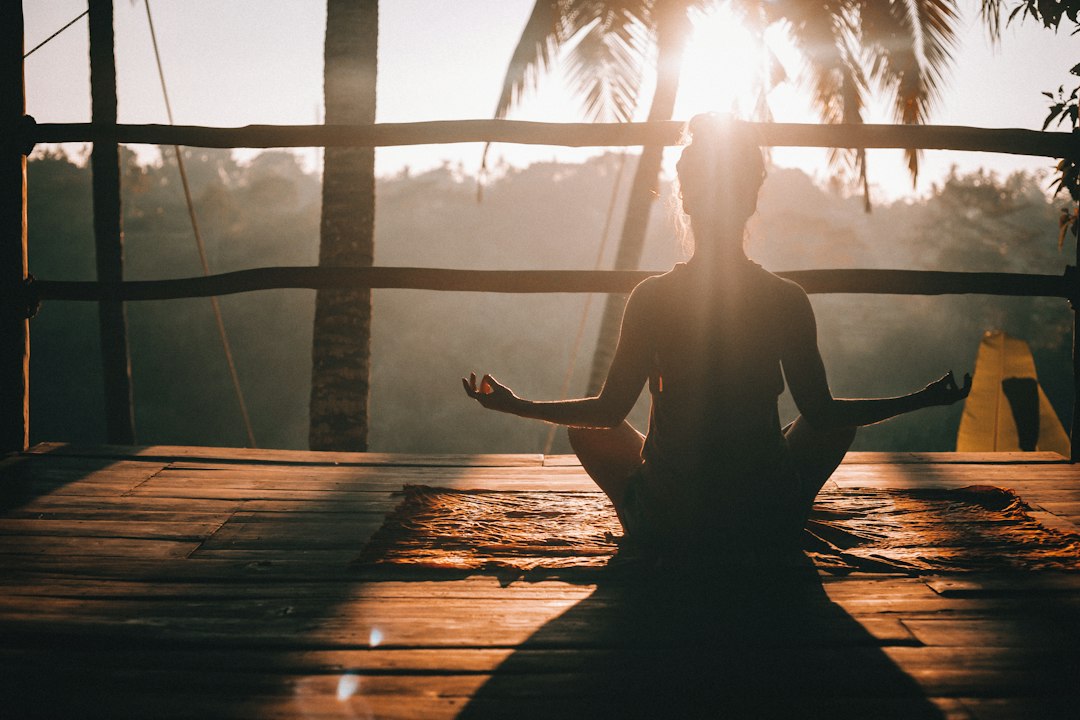
* Yoga: Gentle Hatha, Yin, or Restorative yoga are ideal. Focus on breath and sensation, not complex poses.
* Tai Chi/Qigong: Slow, flowing movements that enhance energy flow and promote deep relaxation.
* Mindful Walking: Simply walk in nature or a quiet place, paying attention to your breath, the sensations in your feet, the sights, sounds, and smells around you. Leave your phone behind.
Creative Expression: Journaling, Painting, or Music
Engaging your creative faculties can be incredibly therapeutic. It allows you to process emotions, tap into intuition, and rediscover joy.
* Journaling: Free-writing, gratitude lists, intention setting, or stream-of-consciousness can unlock insights. Prompts can be helpful, but don’t feel bound by them.
* Art: Sketching, painting, coloring, or even simple doodling can be meditative. Don’t worry about the outcome; focus on the process.
* Music: Play an instrument if you have one, or simply listen deeply to music that uplifts or soothes you. Consider guided sound baths if available.
Digital Detox Strategies: Unplugging for True Reconnection
This is non-negotiable for a restorative retreat. Constant connectivity fuels stress and prevents true presence.
* Declare Boundaries: Inform key people you’ll be unreachable. Set specific, short windows for checking urgent messages *if absolutely necessary*.
* Airplane Mode is Your Friend: Keep your phone on airplane mode or completely off for the majority of the weekend.
* Resist the Urge: Recognize that the urge to check notifications is a habit. Sit with the discomfort; it will pass. Replace screen time with reading, observing nature, or simply being still.
Nourishing Your Body: Mindful Eating and Hydration
Treat your body with kindness.
* Mindful Eating: Eat slowly, savoring each bite. Pay attention to the taste, texture, and aroma of your food. Notice how your body feels before, during, and after eating. Avoid distractions like screens.
* Hydration: Drink plenty of water. Consider herbal teas that promote relaxation or digestion.
* Simple, Wholesome Foods: Pack or choose meals that are easy to prepare and digest. Think nourishing soups, salads, fruit, and simple proteins. Avoid heavy, processed foods that can weigh you down.

Preparing for Your Solo Journey: Practical Steps for Peace of Mind
Budgeting Your Retreat: Investing in Your Well-being
A solo retreat is an investment in your mental and emotional health. Determine a realistic budget that covers:
* Accommodation
* Travel costs (gas, flights, local transport)
* Food and drinks
* Any planned activities or entrance fees
* A small buffer for unexpected expenses or a spontaneous treat.
Packing Essentials: Comfort, Mindfulness, and Self-Care Items
Pack intentionally. Bring items that support your intentions:
* Comfort: Soft layers, favorite PJs, cozy socks.
* Mindfulness: Your journal, a good book, meditation aids.
* Self-Care: Skincare items that feel luxurious, perhaps an essential oil or calming balm.
* Practicalities: Chargers, necessary medications, basic first-aid.
* Leave Behind: Anything that represents obligation or stress (e.g., work laptop, demanding reading material).
Safety First: Essential Considerations for Solo Travelers
Your safety is paramount.
* Share Your Itinerary: Let a trusted friend or family member know where you’re going, your accommodation details, and when you expect to be back. Check in with them periodically.
* Research Your Location: Understand the area. Are there safe walking paths? What are the local emergency numbers?
* Trust Your Gut: If a situation or place feels off, it probably is. Don’t hesitate to leave or change your plans. Have a backup plan for getting home if needed.
* Secure Your Accommodation: Ensure your lodging is secure upon arrival.

Embracing the Solo Experience: Making the Most of Your Retreat
Overcoming Loneliness: Turning Solitude into Sacred Time
Loneliness can creep in, especially if you’re not accustomed to being alone. Reframe it. This isn’t loneliness; it’s solitude. It’s a precious opportunity to connect with yourself without external noise or demands. Engage in activities you genuinely enjoy. If you feel a pang of loneliness, acknowledge it, then gently redirect your attention to your chosen restorative practice or simply observe the feeling without judgment.
Practicing Self-Compassion: Letting Go of Expectations
You might have envisioned a weekend of perfect bliss. Reality can be messy. You might feel restless, bored, or even a bit sad. That’s okay. Treat yourself with the same kindness you would offer a dear friend. Let go of the pressure to “perform” wellness. If all you manage is to sleep and stare out the window, that might be exactly what your spirit needed. Release the “shoulds” and simply be with what is.
Capturing Memories (or Not): Journaling vs. Being Present
Decide beforehand how you want to engage with documenting your experience. Journaling is a powerful tool for reflection and processing. Taking photos can help capture moments, but can also pull you out of the present. For a truly restorative retreat, prioritize presence. If you journal, do it with intention, perhaps at the end of each day, rather than constantly. The goal is to absorb the experience, not just record it.
Post-Retreat Integration: Sustaining Your Recharged Spirit
Gentle Re-entry: Easing Back into Daily Life
The transition back can be jarring. Don’t schedule demanding meetings or overwhelming tasks for your first day back. Ease in. Perhaps start with a shorter workday or dedicate the first hour to quiet reflection or a brief meditation.
Maintaining Momentum: Incorporating Retreat Practices into Your Routine
The benefits of a retreat fade if the practices aren’t integrated. Identify 1-2 simple practices from your retreat that you can realistically incorporate into your daily or weekly life. This could be a 10-minute morning meditation, a mindful walk during lunch, or dedicating 15 minutes to journaling before bed. Consistency beats intensity.
Reflecting on Your Journey: Lessons Learned and Future Retreats
Take time, perhaps a week or two after your return, to review your journal entries or simply reflect on the experience. What worked exceptionally well? What would you do differently next time? What did you learn about yourself? This reflection solidifies the gains and helps you plan even more effective future retreats. Remember, each retreat is a stepping stone in your ongoing journey of self-care and rejuvenation.