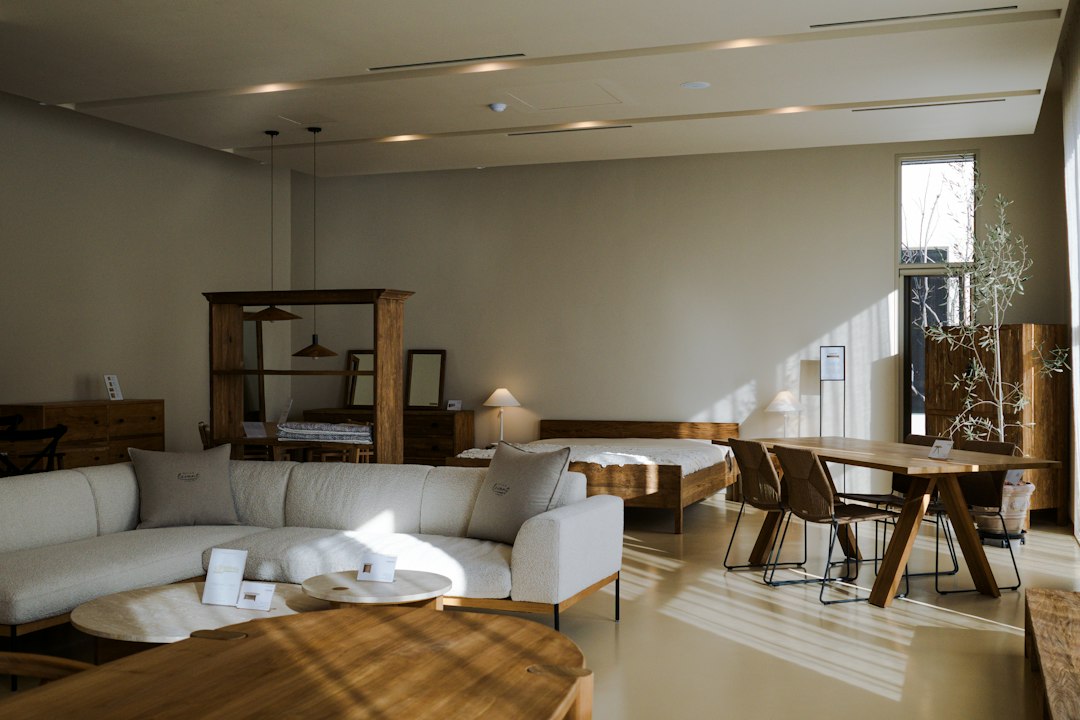
Navigating the diverse landscape of interior design philosophies can be a daunting task, especially when seeking a balance between aesthetic appeal, functional living, and a sense of tranquility. Two prominent styles that have gained significant traction for their emphasis on natural elements, simplicity, and mindful living are Japandi and Wabi Sabi. While both share a deep appreciation for natural materials and minimalist principles, they diverge significantly in their core tenets and execution. This article delves into a comprehensive comparison of Japandi and Wabi Sabi interior design, exploring their unique characteristics, material preferences, and the distinct atmospheres they cultivate. We aim to provide a clear understanding of which philosophy best suits different lifestyles and design preferences in 2026.
Understanding Japandi: A Harmonious Blend of Japanese and Scandinavian Aesthetics
Japandi is a design movement that artfully fuses the minimalist ethos of Japanese interiors with the cozy, functional sensibilities of Scandinavian design. It’s not merely a trend but a considered approach to living that prioritizes intentionality, craftsmanship, and a deep connection to nature. The result is a sophisticated, uncluttered, and serene environment that feels both modern and timeless.
The Core Principles of Japandi Design
At its heart, Japandi design is about finding harmony through balance. It embraces clean lines, a neutral color palette, and an emphasis on functionality without sacrificing comfort. Unlike pure Japanese design, which can sometimes feel austere, Japandi injects warmth and softness through Scandinavian influences. Key principles include:
- Minimalism with Warmth: Stripping away the unnecessary while retaining a comfortable, inviting feel.
- Functionality: Every item serves a purpose, contributing to an organized and efficient living space.
- Natural Elements: A strong preference for natural materials and organic forms.
- Craftsmanship: An appreciation for well-made, durable pieces, often with a handmade quality.
- Peace and Serenity: Creating a calm oasis free from clutter and visual noise.
Key Japandi Materials: Natural Wood, Textiles, and Muted Palettes
The material selection in Japandi design is crucial for achieving its signature look and feel. There’s a distinct preference for natural, tactile materials that add warmth and texture.
- Natural Wood: Light-toned woods like oak, ash, and maple are prevalent, often with a matte or natural finish. Darker woods like walnut may be used as accents.
- Textiles: Natural fabrics such as linen, cotton, wool, and jute are favored for upholstery, rugs, and soft furnishings. These add layers of texture and comfort.
- Ceramics and Stone: Hand-thrown pottery, textured tiles, and natural stone elements contribute to the organic feel.
- Muted Color Palettes: The color scheme is typically neutral and calming, dominated by whites, creams, beiges, grays, and soft earthy tones. Black is often used sparingly for contrast.

Japandi’s Emphasis on Functionality and Simplicity
Functionality is paramount in Japandi design. Furniture is chosen not just for its aesthetic appeal but for its practical use and durability. Storage solutions are integrated seamlessly to maintain the clutter-free environment. Simplicity is expressed through clean lines, uncluttered surfaces, and a focus on essential items. This approach encourages a mindful way of living, where possessions are curated and appreciated for their utility and beauty.
Decoding Wabi Sabi: The Beauty of Imperfection and Transience
Wabi Sabi is a Japanese aesthetic philosophy centered on the acceptance of transience and imperfection. It’s about finding beauty in things that are imperfect, impermanent, and incomplete. Unlike Japandi’s curated harmony, Wabi Sabi embraces the natural cycle of growth, decay, and the unique character that comes with age and use.
The Essence of Wabi Sabi: Finding Beauty in Flaws
The core of Wabi Sabi lies in appreciating the beauty that arises from imperfection. This can manifest in:
- Asymmetry: Embracing irregular shapes and forms.
- Roughness: Valuing textures that are uneven, unpolished, or weathered.
- Simplicity: Focusing on the essential, natural qualities of objects.
- Economy: Finding beauty in humble, inexpensive materials.
- Intimacy: Appreciating the subtle beauty of natural processes and the passage of time.
- Objectivity: Seeing the beauty in all things, regardless of their perceived flaws.
Wabi Sabi encourages a deep appreciation for the authenticity of an object, its history, and the marks that time has left upon it.
Wabi Sabi Materials: Earthy Tones, Natural Textures, and Asymmetry
The material palette for Wabi Sabi is deeply rooted in nature and often reflects a sense of age and wear.
- Earthy Tones: Colors are drawn directly from nature – soil, stone, wood, and muted plant life. Think browns, grays, muted greens, and ochres.
- Natural Textures: Rough, unrefined textures are celebrated. This includes raw wood, aged metals, distressed concrete, handmade ceramics with visible imperfections, and natural fibers like linen and jute.
- Asymmetrical Forms: Furniture and decorative objects often feature irregular shapes, reflecting natural growth patterns rather than rigid, manufactured designs.
- Patina and Wear: The beauty of patina, rust, cracks, and other signs of aging is central to the Wabi Sabi aesthetic.
Wabi Sabi’s Embrace of Impermanence and Minimalism
Wabi Sabi minimalism is distinct from Japandi’s. It’s not about achieving a perfectly curated, empty space, but rather about stripping away the non-essential to reveal the inherent beauty of what remains, including its flaws. The philosophy acknowledges that everything is in a state of flux, and this impermanence is a source of beauty. It encourages a mindful relationship with possessions, valuing objects for their history and character rather than their pristine condition.

Japandi vs. Wabi Sabi: A Direct Comparison
While both styles champion simplicity and natural elements, their underlying philosophies and aesthetic expressions differ significantly. Understanding these distinctions is key to choosing the right approach for your home.
Core Philosophies: Harmony and Balance vs. Imperfection and Acceptance
Japandi seeks a balanced, harmonious coexistence between Japanese and Scandinavian elements. It aims for a sense of order, peace, and functional beauty. The focus is on creating a serene, uncluttered, and aesthetically pleasing environment through thoughtful curation.
Wabi Sabi, conversely, finds beauty in the imperfect, the transient, and the incomplete. It embraces flaws, asymmetry, and the natural aging process. The philosophy is rooted in acceptance and finding contentment in simplicity and authenticity, even with visible imperfections.
Material Palettes: Warm Neutrals and Natural Woods vs. Earthy Tones and Raw Textures
Japandi leans towards lighter, warmer neutral palettes, emphasizing natural woods (oak, ash) and soft, tactile textiles (linen, wool). The overall feel is clean, bright, and comforting.
Wabi Sabi utilizes a more grounded, earthy color palette (browns, grays, muted greens) and celebrates raw, unrefined textures. Materials like aged wood, rough concrete, patinated metals, and handmade ceramics are key. The aesthetic is organic, tactile, and often feels more rugged.
| Feature | Japandi | Wabi Sabi |
|---|---|---|
| Core Philosophy | Harmony, Balance, Functionality, Warm Minimalism | Imperfection, Impermanence, Authenticity, Natural Aging |
| Aesthetic Goal | Serene, organized, comfortable, timeless | Authentic, soulful, grounded, accepting |
| Color Palette | Muted neutrals (whites, creams, grays, soft earth tones), light wood | Earthy tones (browns, grays, muted greens, ochre), natural stone, aged metals |
| Materials | Light natural woods, linen, cotton, wool, ceramics | Aged wood, rough concrete, stone, handmade ceramics, natural fibers, patinated metals |
| Forms | Clean lines, functional shapes, balanced symmetry | Asymmetrical, organic, irregular, natural forms |
| Emphasis | Craftsmanship, intentionality, refined simplicity | Natural wear, patina, uniqueness of flaws, organic processes |
| Atmosphere | Calm, airy, sophisticated, cozy | Grounded, warm, intimate, introspective |
Simplicity and Functionality: A Shared Foundation, Different Expressions
Both Japandi and Wabi Sabi share a deep commitment to simplicity and functionality. However, they express these values differently.
In Japandi, simplicity means decluttering and choosing items that are both beautiful and useful, leading to an organized, efficient space. Functionality is about smart design and purposeful living.
In Wabi Sabi, simplicity means stripping away the superfluous to reveal the inherent beauty of objects and materials, including their imperfections. Functionality is often inherent in the object’s purpose and its natural qualities, embracing the utilitarian nature of humble materials.
Color Schemes: Muted and Airy vs. Natural and Organic
Japandi typically employs a palette that is light, airy, and serene. Think soft whites, gentle grays, warm beiges, and subtle wood tones, creating a sense of spaciousness and calm.
Wabi Sabi draws its colors directly from the earth. The palette is often richer and deeper, featuring natural browns, muted greens, charcoal grays, and terracotta hues, evoking a sense of groundedness and connection to nature.
Achieving Warmth and Simplicity in Your Japandi Interior
Creating a Japandi-inspired space is about mindful curation and embracing a less-is-more philosophy. The goal is to achieve a sanctuary that is both stylish and deeply comforting.
Incorporating Natural Light and Layered Textures
Maximize natural light by using sheer window treatments or keeping windows unobstructed. Layering soft, natural textiles like linen curtains, wool throws, and textured rugs adds depth and warmth, preventing the space from feeling stark. Use low-profile furniture and keep surfaces clear to enhance the sense of calm and spaciousness.

Selecting Furniture and Decor with Purpose
Choose furniture with clean lines, natural finishes, and functional designs. Opt for pieces that are well-crafted and built to last. Decor should be minimal and meaningful – perhaps a piece of ceramic art, a simple vase with a single branch, or a beautifully grained wooden bowl. Every item should contribute to the overall sense of peace and intentionality.
Balancing Functionality with Aesthetic Appeal
The key is to ensure that every element serves a purpose, both aesthetically and practically. Integrated storage solutions, like minimalist cabinetry or discreet shelving, help maintain the uncluttered look. Furniture should be comfortable and inviting, reflecting the Scandinavian influence, while maintaining the clean, understated aesthetic of Japanese design.
Infusing Your Space with Wabi Sabi’s Imperfect Charm
Embracing Wabi Sabi means letting go of perfection and celebrating the beauty found in the unconventional and the aged.
Embracing Asymmetry and Organic Forms
Instead of perfectly symmetrical arrangements, opt for organic, asymmetrical layouts. This could mean an off-center artwork, a naturally shaped coffee table, or a cluster of mismatched cushions. Embrace furniture with flowing lines and textures that feel natural and imperfect.
Curating Imperfect Objects and Aged Materials
Seek out items with character – a vintage wooden stool, a hand-thrown ceramic pot with slight glazing imperfections, a weathered stone element. These objects tell a story and add soul to the space. Don’t shy away from materials that show their age; patina on metal, cracks in pottery, or the grain of aged wood are all celebrated.

Creating a Serene Atmosphere Through Natural Elements
Incorporate natural elements like plants, stones, and wood in their rawest forms. Use a palette of earthy tones to create a grounding and calming environment. The aim is to foster a sense of connection to nature and a deep appreciation for the simple, unadorned beauty of the world around us.
Expert Tips for Blending Japandi and Wabi Sabi Elements
While distinct, Japandi and Wabi Sabi can be thoughtfully combined to create a uniquely layered and soulful interior. Success lies in understanding their shared values and applying them with intention.
Identifying Shared Values for a Cohesive Design
Both styles prioritize natural materials, simplicity, and a connection to nature. They both advocate for mindful living and reducing clutter. By focusing on these shared foundations, you can begin to integrate elements from both philosophies.
Strategic Use of Materials to Create Depth and Interest
Combine the clean lines and light woods of Japandi with the raw textures and earthy tones of Wabi Sabi. For example, pair a light oak Japandi sideboard with a rough, handmade ceramic vase on top. Use soft, neutral textiles from Japandi alongside a weathered wooden stool or a textured stone element inspired by Wabi Sabi. This juxtaposition creates visual interest and depth.
The Art of Intentional Simplicity in Both Styles
Whether Japandi or Wabi Sabi, simplicity is about intentionality. In a blended space, this means ensuring every item has a place and a purpose. It’s about curating rather than collecting, choosing pieces that resonate with the overarching aesthetic of calm, nature, and mindful living. Avoid overwhelming the space; allow elements of both styles to breathe.
Common Pitfalls to Avoid When Designing Japandi or Wabi Sabi Spaces
While beautiful, these styles can be misinterpreted, leading to design missteps. Be mindful of:
- Over-Cluttering: The pursuit of simplicity means avoiding excessive decoration. Every piece should add value.
- Lack of Warmth: Pure minimalism can feel cold. Ensure the inclusion of natural materials and soft textures to create a welcoming atmosphere, especially in Japandi.
- Forcing Imperfection: Wabi Sabi is about embracing authentic imperfection, not creating artificial flaws. Aged materials and natural wear are key.
- Ignoring Functionality: Both styles emphasize practical living. A beautiful space should also be livable and organized.
- Misinterpreting Minimalism: Minimalism is not about emptiness but about intentionality. Ensure spaces feel curated and comfortable, not barren.
Frequently Asked Questions: Japandi vs. Wabi Sabi Interior Design in 2026
- Is Japandi more modern than Wabi Sabi? Japandi often incorporates more contemporary lines and finishes due to its Scandinavian influence, while Wabi Sabi leans towards timeless, rustic, and organic aesthetics.
- Can I mix Japandi and Wabi Sabi elements? Yes, absolutely. The key is to identify shared principles like natural materials and simplicity, and use them to bridge the two styles cohesively.
- Which style is better for small spaces? Both styles, with their emphasis on simplicity and uncluttered aesthetics, can work well in small spaces. Japandi’s lighter palette can make a space feel larger, while Wabi Sabi’s focus on a few meaningful items can prevent visual clutter.
- What kind of lighting suits Japandi and Wabi Sabi? Both styles benefit from abundant natural light. For artificial lighting, Japandi favors soft, ambient lighting with clean-lined fixtures, while Wabi Sabi might incorporate more sculptural or textured lighting elements that highlight natural materials.
- Are these styles expensive to achieve? Neither style inherently requires high costs. Both prioritize natural materials and intentionality over brand names or excessive ornamentation. Wabi Sabi, in particular, can be achieved affordably by embracing vintage finds and naturally aged items.
👑 Ultimate Winner: A Synergistic Approach
While both Japandi and Wabi Sabi offer profound philosophies for creating serene and mindful living spaces, the ultimate “winner” in 2026 is not a singular style but rather the intelligent integration of their core principles. Japandi provides a framework for modern, functional warmth with its clean lines and balanced neutrals, making it ideal for those seeking an organized, sophisticated sanctuary. Its emphasis on light woods and soft textiles creates an inviting, airy feel, best suited for busy professionals or families wanting a calm retreat from the outside world. Wabi Sabi, on the other hand, offers a deeper, more soulful connection by celebrating imperfection and the beauty of the natural world’s cycles. It’s perfect for individuals who appreciate authenticity, history, and a grounded, intimate atmosphere, particularly those who gravitate towards artisanal crafts and a less polished aesthetic. For most discerning homeowners in 2026, the most resonant approach will likely involve drawing from both: incorporating Japandi’s refined functionality and warmth, while infusing Wabi Sabi’s authentic textures, earthy palette, and acceptance of natural beauty. This blended approach allows for a personalized space that is both deeply calming and uniquely resonant with the owner’s values.