🧰 Tools & Gear You’ll Need
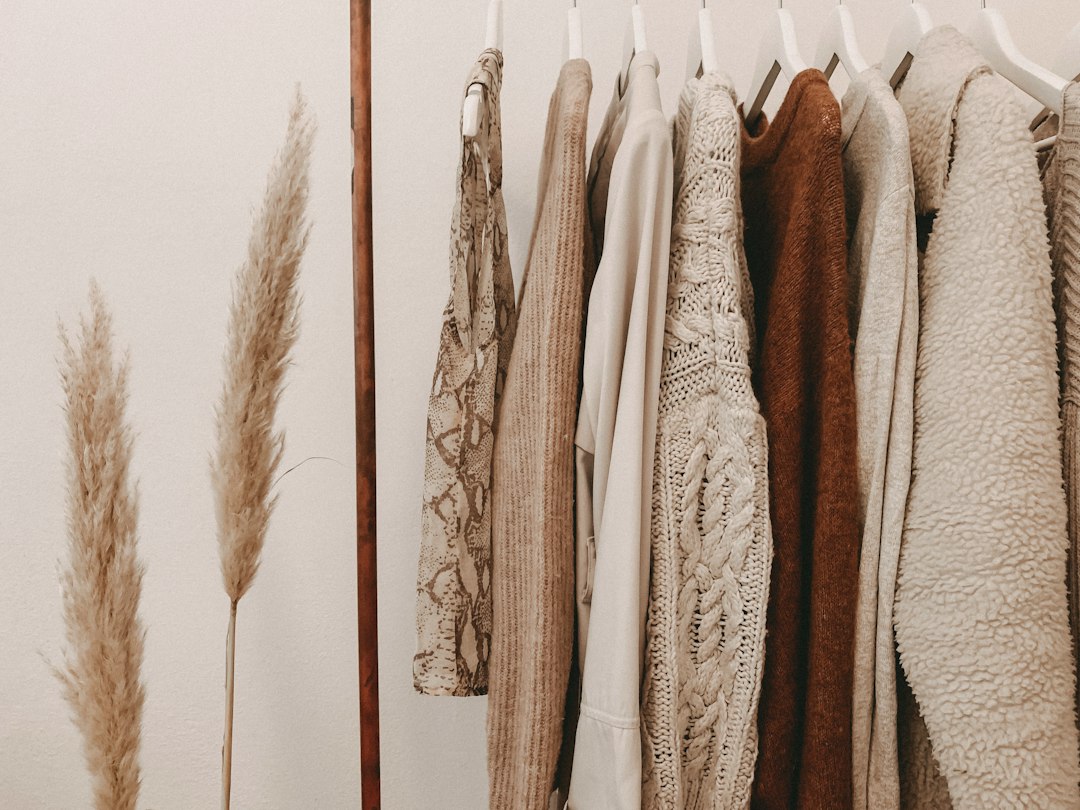
- A curated selection of neutral-toned garments in various fabrics
- Understanding of color theory, specifically neutral palettes
- An eye for texture and how different materials interact
- Knowledge of silhouette and proportion
- A collection of neutral accessories (shoes, bags, jewelry)
- Confidence to experiment and break fashion “rules”
Define Your Neutral Canvas
Before diving into textures, establish your base neutral palette. This isn’t just about black and white; think deeper. Consider the spectrum of creams, beiges, taupes, grays, and even muted olives or dusty blues. The key is cohesion. Aim for shades that complement each other naturally, avoiding harsh contrasts unless that’s a deliberate stylistic choice. For instance, a warm beige can anchor an outfit that features cooler grays or off-whites. This foundational step prevents your textured pieces from looking chaotic.
Layer Textures Strategically
The magic of a neutral monochrome outfit lies in the interplay of different tactile surfaces. Don’t be afraid to mix and match. A chunky knit sweater (wool or cashmere) can be paired with sleek leather trousers or a smooth silk skirt. A crisp linen shirt can add a breathable layer under a structured wool blazer. The goal is to create visual interest and depth through touch and sight. Think about the weight and drape of each fabric. A heavy wool should ideally be balanced with something lighter or smoother to avoid overwhelming the silhouette.
Master Silhouette and Proportion
Texture can significantly impact how a garment fits and drapes. A thick, cable-knit sweater will naturally have more volume than a fine-gauge merino wool top. When styling, pay close attention to proportions. If you’re wearing a voluminous, textured top, consider pairing it with slimmer-fitting bottoms, like tailored wool trousers or sleek faux leather leggings. Conversely, a voluminous textured skirt or wide-leg trousers would look balanced with a more fitted, perhaps smoother, top. Layering is also crucial here. A long, flowing silk or satin blouse can add elegance under a cropped, textured jacket.
Accessorize with Tactile Details
Accessories are where you can truly amplify the textural narrative of your monochrome outfit. Shoes offer a prime opportunity: think suede ankle boots, woven leather sandals, or even canvas sneakers in a neutral shade. For bags, consider the material – a soft shearling crossbody, a structured leather tote, or a fringed suede clutch. Jewelry can add a contrasting element; consider matte metals, rough-hewn stones, or beaded pieces that complement, rather than compete with, the fabric textures. Don’t forget scarves and hats. A chunky knit beanie, a felted fedora, or a silk scarf can add a final layer of tactile sophistication.
Refine and Edit
The final step is to review your ensemble. Does it feel balanced? Is there enough visual interest without being overwhelming? Sometimes, less is more. If you’ve chosen several heavily textured pieces, consider simplifying one element. Perhaps swap a heavily embellished bag for a smoother leather one. Ensure your neutrals are cohesive – a stark bright white next to a creamy off-white might clash if not done intentionally. It’s about creating a harmonious, sophisticated look where texture plays the leading role, and color provides a subtle, unified backdrop.
The Foundation: Choosing Your Neutral Base Palette
The bedrock of any successful neutral monochrome outfit is a well-chosen palette. Forget the simplistic notion that neutrals are boring; they are the ultimate canvas for sophisticated styling, especially when texture takes center stage. The year 2026 sees a deeper appreciation for the nuanced beauty of earth tones, muted pastels, and sophisticated grays.
Understanding the Power of Neutrals: Beyond Black and White
Black and white offer stark contrast, but the real depth in neutral styling comes from exploring the subtler shades. Think of the warmth of a sandy beige, the creamy richness of an ivory, the versatile sophistication of a dove gray, or the earthy complexity of taupe. These shades possess an inherent elegance that allows textured fabrics to shine without competition. A true understanding of neutrals involves recognizing their undertones – warm, cool, or neutral – and how they interact with your skin tone and the chosen textures.
Selecting Core Pieces in Beige, Cream, Gray, or Taupe
When selecting your core garments, prioritize quality and fabric. A pair of impeccably tailored beige wool trousers will form a more versatile foundation than a pair of quickly-made linen pants. Look for pieces that have a good drape and structure. A classic cream silk blouse, a well-cut gray blazer, or a simple taupe knit dress can be the workhorses of your neutral wardrobe. The silhouette of these core pieces is also important; aim for timeless cuts that allow textures to be the focal point.

Texture as the Star: Elevating Your Neutral Monochrome Look
In 2026, texture is not just an accent; it’s the main event in neutral monochrome styling. It’s how you differentiate your outfit, add dimension, and convey a sense of luxury and personal style without relying on bold colors. The tactile experience of your clothing becomes as important as the visual one.
Wool & Cashmere: The Epitome of Cozy Sophistication
These natural fibers are unparalleled for their warmth, softness, and inherent luxury. A chunky cable-knit cashmere sweater offers a rustic yet refined texture, perfect for a casual look. A fine-gauge merino wool turtleneck provides a sleeker, more polished feel. The natural variations in wool fibers, like tweed or boucle, add subtle visual interest.
Linen & Cotton: Breathable Textures for Effortless Chic
Linen, with its natural slubs and characteristic wrinkles, offers an effortlessly chic texture that is both breathable and sophisticated, especially in warmer months. Crisp cotton poplin shirts provide a smooth, structured contrast, while brushed cotton or flannel adds a softer, cozier feel. The slight irregularity in linen’s weave creates a unique visual texture that catches the light beautifully.

Leather & Suede: Adding an Edge of Luxe
Leather and suede bring a distinct sense of edge and luxury to neutral outfits. Smooth, polished leather offers a sleek, modern finish, ideal for trousers, skirts, or blazers. Suede, with its soft, napped surface, adds a more vintage or bohemian feel. The way light reflects off different leather finishes – matte, patent, or embossed – can create subtle yet impactful textural variations.
Silk & Satin: Introducing Smoothness and Shine
For a touch of high-end glamour, incorporate silk and satin. Their smooth, lustrous surfaces provide a beautiful contrast to matte or textured fabrics like wool or knitwear. A silk charmeuse blouse drapes elegantly and catches the light, adding a sophisticated sheen. Satin slip dresses or skirts can be layered under chunky knits for an unexpected textural play.
Mixing Textures: The Art of Tactile Contrast
The true mastery of neutral monochrome styling lies in the artful combination of contrasting textures. Pair the roughness of a tweed blazer with the smoothness of a silk camisole. Combine the softness of a cashmere scarf with the structured form of a leather handbag. The key is balance: ensure that one texture doesn’t completely overpower the others, unless that’s the intended focal point. Think about how different textures feel and look – rough against smooth, matte against shiny, heavy against light. This interplay creates a visually rich and engaging outfit.
Consider the Visual Weight
Heavier textures like chunky knits, thick wools, and plush velvets have more visual weight. Balance these with lighter-weight, smoother fabrics like silk, fine cotton, or sleek leather. For example, pair a voluminous cable-knit sweater with slim-fit leather pants or a flowy silk midi skirt.
Play with Surface Interest
Mix fabrics with different surface qualities. Combine a matte fabric like brushed cotton with a lustrous one like satin. Contrast a smooth leather with a napped suede. Even subtle differences, like the weave of linen versus the tighter knit of a jersey top, can add dimension.
Layer with Intention
Layering is your best friend in textural play. A lightweight linen shirt under a wool vest, or a silk slip dress under an oversized knit cardigan, allows you to showcase multiple textures harmoniously. Ensure the layers don’t create excessive bulk unless that’s part of the desired silhouette.
Silhouette and Fit: Shaping Your Monochrome Ensemble
Texture influences how fabric drapes and fits, making silhouette and proportion critical considerations in neutral monochrome styling. The right shapes will enhance the textural elements, while ill-fitting garments can make even the most luxurious fabrics look unappealing.
Understanding Proportions with Different Textures
A chunky knit sweater, by its nature, adds volume. To maintain balance, pair it with slimmer-fitting bottoms, such as tailored trousers, leggings, or a pencil skirt. Conversely, if you opt for voluminous textured trousers (like wide-leg corduroy or pleated linen), balance them with a more fitted or cropped top in a smoother fabric. The goal is to create an elongated, flattering line, avoiding a boxy or overwhelmed appearance.
The Importance of Layering Tactile Pieces
Layering textured pieces is an advanced technique that adds incredible depth. A fine-gauge knit mock neck under a slightly more textured woven shirt, topped with a structured wool or tweed blazer, creates a rich tapestry of tactile experiences. Ensure each layer complements the next without creating excessive bulk. The order of layering often matters – smoother, thinner layers generally go underneath, with more substantial or visually interesting textures on top.

Balancing Tight and Loose Silhouettes
When working with textures, the interplay between tight and loose elements becomes even more pronounced. A form-fitting ribbed knit dress, for instance, highlights the body’s shape through its texture. This can be beautifully balanced with an oversized, textured coat or a looser, flowing scarf. If your top is loose and voluminous due to its texture (like a cable-knit), opt for sleek, tighter bottoms. This contrast prevents the outfit from looking shapeless.
Accessorizing with Texture: The Finishing Touches
Accessories are the secret weapon for amplifying the tactile richness of a neutral monochrome outfit. They provide opportunities to introduce complementary textures, elevate the overall look, and inject personality.
Shoes: From Suede Boots to Woven Sandals
Your footwear can be a significant textural element. Consider suede ankle boots for a soft, luxurious feel, or woven leather sandals for a bohemian vibe. Chunky knit or shearling-lined sneakers can add a cozy, casual touch. Even seemingly simple leather loafers can offer variations in finish – high gloss, matte, or embossed.
Bags: Embracing Leather, Bouclé, or Fringed Styles
Handbags are a prime opportunity to play with texture. A smooth leather tote offers a classic, polished feel. A bouclé or textured knit bag brings a cozy, contemporary vibe. Fringed suede bags add a touch of bohemian flair. Consider the hardware too – matte metals often work best with textured outfits, maintaining a sophisticated, understated feel.
Jewelry: Complementing Textures with Metals and Stones
Jewelry should enhance, not detract. Opt for metals with finishes that align with your outfit’s vibe – brushed or matte metals often feel more organic and textural than high-shine polished gold or silver. Consider pieces with natural stones, wooden elements, or intricate metalwork that echo the tactile nature of your clothing. Delicate chains can add a subtle shimmer against a textured knit.
Scarves and Hats: Adding Depth with Knits and Felt
Scarves and hats are excellent for adding final layers of texture and visual interest. A chunky knit infinity scarf, a soft cashmere wrap, a structured felt fedora, or a cozy wool beanie can significantly impact the overall feel of your outfit. Choose materials and weaves that complement the primary textures in your ensemble.

Common Pitfalls to Avoid in Monochrome Styling
While neutral monochrome outfits offer endless styling potential, there are common traps that can undermine the look. Awareness of these pitfalls is key to achieving a polished, intentional ensemble.
The “Too Flat” Syndrome: How to Inject Dimension
The most frequent mistake is creating an outfit that looks too flat or one-dimensional, especially if all the fabrics have similar finishes or weights. This happens when you don’t intentionally mix textures. For example, wearing all smooth cotton or all basic jersey knits in similar shades can result in a lack of visual interest.
Overdoing Texture: When Less is More
Conversely, it’s possible to overload an outfit with too many competing textures, making it look busy or even costume-like. If every single piece is heavily textured (e.g., a heavily embellished knit top, a boucle skirt, and a heavily textured coat), the effect can be overwhelming.
Mismatched Neutrals: Achieving a Cohesive Look
While exploring different shades of neutrals is encouraged, it’s important that they harmonize. Wearing a cool-toned gray with a warm-toned beige can sometimes clash, creating an unintentional visual disruption. Understanding undertones is key here.
Real-World Examples: Inspiring Neutral Monochrome Outfits in 2026
The versatility of neutral monochrome outfits with rich tactile textures shines through in various real-world scenarios. Here are some examples to inspire your wardrobe choices.
The Casual Weekend Look: Textural Denim and Knitwear
Imagine a pair of ecru wide-leg denim jeans – the subtle texture of the twill is key. Pair this with a slightly oversized, cream-colored chunky knit cardigan made from a wool-alpaca blend. Underneath, a simple, soft-brushed cotton t-shirt in a matching cream or a light heather gray. Complete the look with casual suede sneakers or woven leather slides in a neutral tone. This outfit is comfortable, stylish, and rich in tactile detail.
The Polished Office Ensemble: Silk Blouse and Wool Trousers
For a sophisticated work look, opt for impeccably tailored taupe wool trousers with a subtle texture, perhaps a fine Donegal tweed. Tuck in a lustrous champagne silk charmeuse blouse. Layer this with a sharp, neutral gray blazer in a smooth, high-quality wool. Accessories could include pointed-toe leather pumps in a deep taupe or gray and a structured leather tote bag. The contrast between the smooth silk, the refined wool, and the polished leather creates an elegant, professional appearance.
The Evening Elegance: Velvet and Satin Combination
An evening-appropriate monochrome look can be achieved with luxurious textures like velvet and satin. Consider a pair of black velvet wide-leg trousers paired with a sleek black satin camisole or a cowl-neck top. A black silk or velvet blazer, perhaps with a subtle sheen, can be worn over the top. Accessorize with delicate silver or gunmetal jewelry and strappy satin heels or pointed-toe stilettos in black. The interplay of light on the velvet and satin creates a sophisticated, alluring aesthetic.
Frequently Asked Questions About Styling Neutral Monochrome Outfits
Q1: Can I wear different shades of white together in a monochrome outfit?
A: Absolutely! Mixing various shades of white, cream, ivory, and off-white can create a beautifully nuanced and sophisticated look. The key is to ensure the undertones are compatible (e.g., don’t mix a stark, cool white with a creamy, warm ivory unless you’re intentionally creating a contrast). Varying textures, like a chunky knit cream sweater with crisp white linen trousers, is crucial to prevent the outfit from looking flat.
Q2: How do I avoid looking washed out in neutral colors?
A: Texture is your best friend here. Different weaves, knits, and finishes add dimension and interest, preventing a flat appearance. Playing with proportions and silhouettes also helps. Ensure your chosen neutrals complement your skin tone. Sometimes, a pop of a deeper neutral (like charcoal or deep brown) or a metallic accessory can add definition.
Q3: Is it okay to mix warm and cool neutrals in one outfit?
A: While it can be done, it requires a keen eye. Generally, it’s safer and often more harmonious to stick primarily to either warm neutrals or cool neutrals within a single outfit. If you do mix, ensure the transition is seamless or create a strong, intentional contrast. For example, a warm beige coat over cool gray trousers might look disjointed unless balanced with accessories that bridge the two tones, like a metallic belt or shoes in a neutral taupe.
Q4: What are the best textures to incorporate for a winter monochrome look?
A: Winter is the perfect time for rich, cozy textures. Think chunky cable knits, soft cashmere, warm wool (especially tweed or boucle), faux fur, plush velvet, and substantial leather or suede. Layering these heavier textures creates warmth and visual depth.
Q5: How can I add visual interest to a monochrome outfit without adding color?